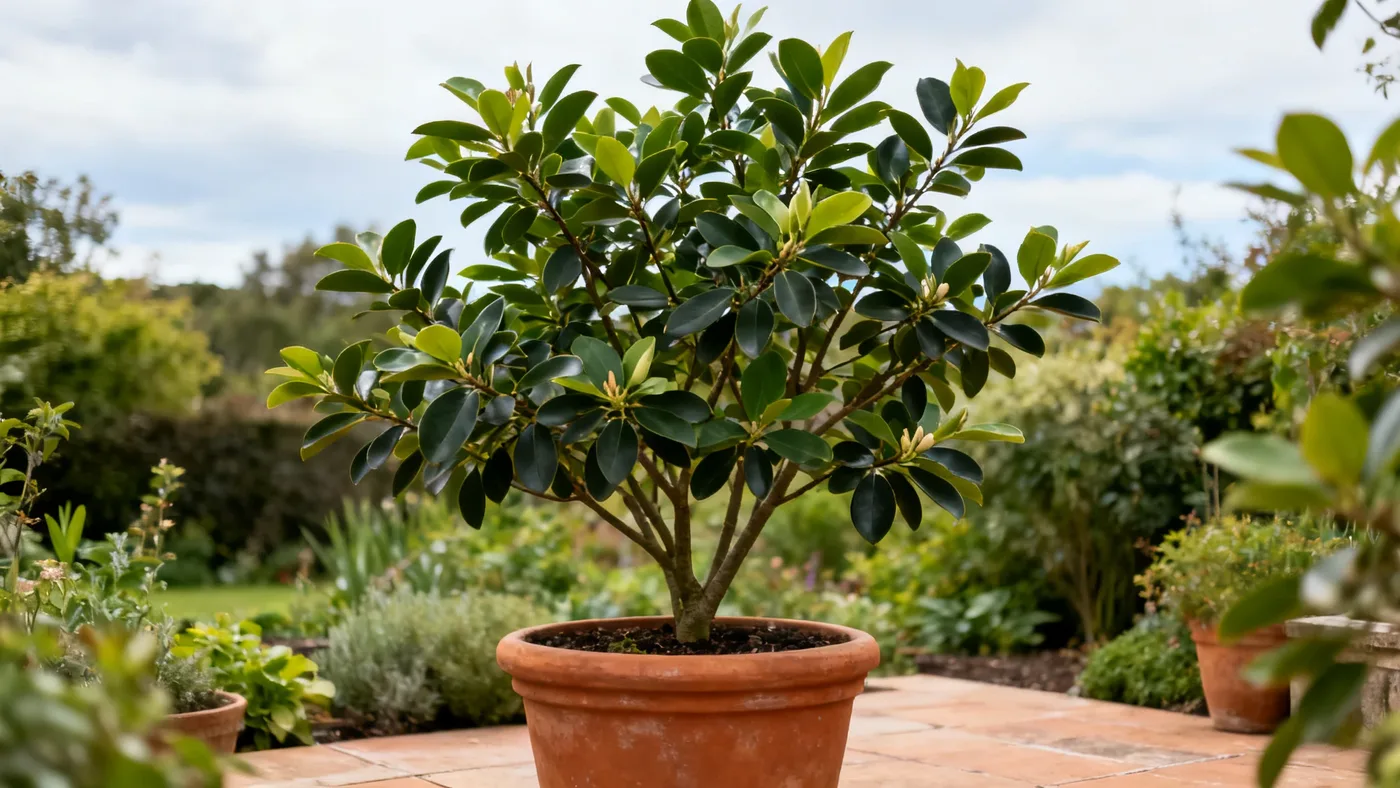
Buying a Jane Magnolia: Container Sizes and What to Look For
Jane Magnolia is a striking spring bloomer that belongs in any garden where zones 4 through 8 prevail. Its reddish-purple flowers with pale pink interiors appear later than star magnolia, a trait that shields them from late frosts. If you're ready to buy Jane Magnolia for your landscape, knowing what to look for makes the difference between a thriving specimen and a struggling plant.
This guide walks you through container sizes, quality indicators, where to source Jane Magnolia, and the red flags that signal poor nursery stock. Whether you're shopping at a local nursery or ordering online, these practical checkpoints will help you select a healthy plant.
Container Sizes When You Buy Jane Magnolia
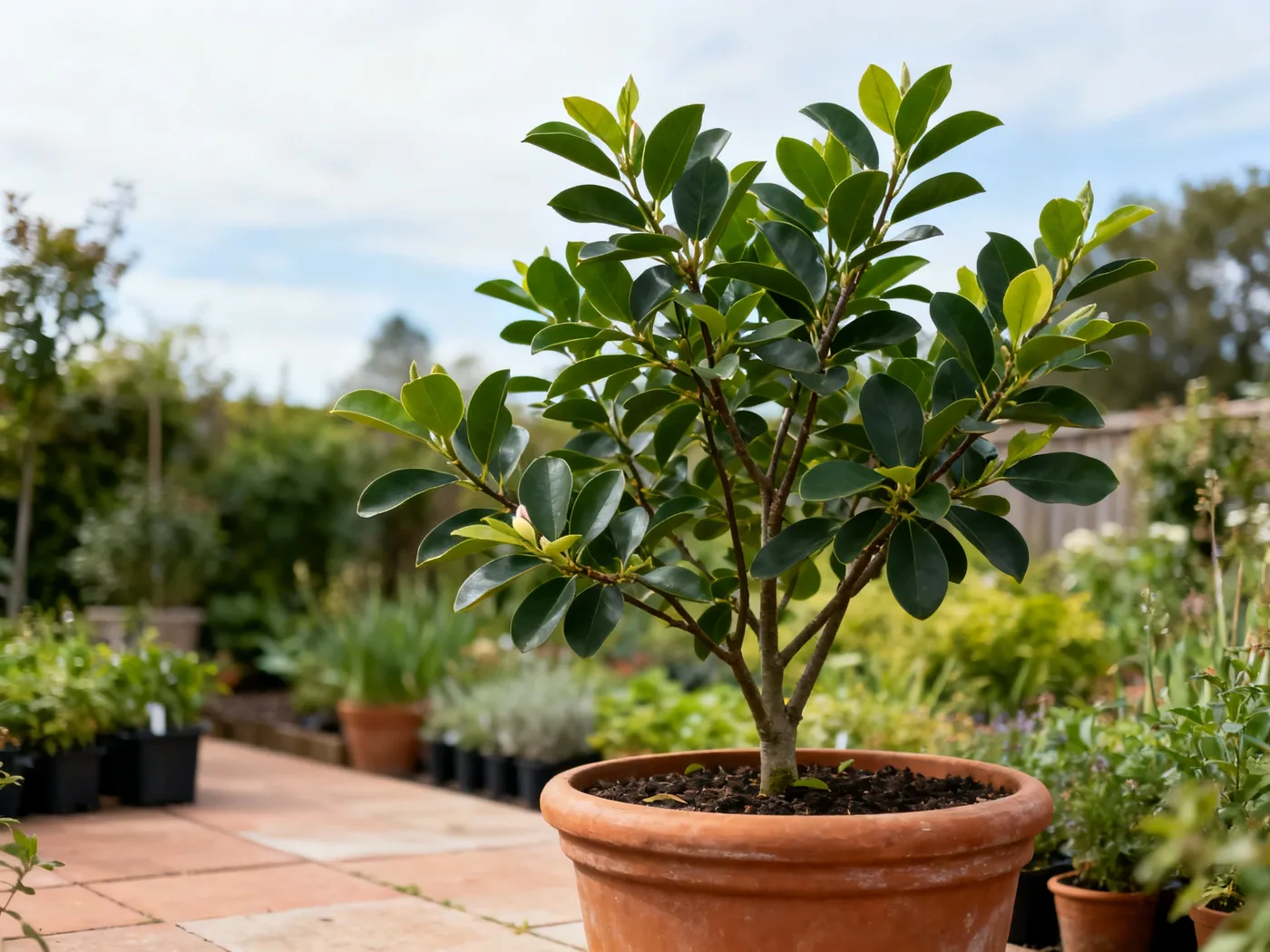
Nursery-grown Jane Magnolia typically comes in three standard sizes. Each offers different advantages depending on your budget, patience, and landscape timeline.
Quart containers
Quart-sized plants are young, usually 1 to 2 years old from propagation. They're the most affordable Jane Magnolia option and often cost $15 to $30. These small plants may not flower for 1 to 3 years, but they establish root systems more readily in new soil and adapt well to transplanting. Quart plants suit gardeners willing to wait for mature specimens and those working within tight budgets.
Number 1 containers (1-gallon)
The #1 container is the middle ground for buying Jane Magnolia. These plants are typically 2 to 4 years old and often already flowering or close to first bloom. Prices range from $35 to $60. A #1 plant gives faster results than quart stock while remaining reasonably priced. Many gardeners choose this size because it balances cost and instant visual impact.
Number 3 containers (3-gallon)
The largest common nursery size, #3 containers hold mature Jane Magnolia specimens ready to deliver immediate landscape presence. These plants are typically 4 to 7 years old, well-established, and flowering reliably. Expect to pay $60 to $120. A #3 plant needs minimal establishment time and provides an instant focal point.
Beyond #3, some specialty nurseries offer larger specimens in 5-gallon or field-grown Jane Magnolia, but these are less common and command premium prices ($150 and up). For most home gardens, quart through #3 covers all practical needs.
What to Look For in a Healthy Jane Magnolia
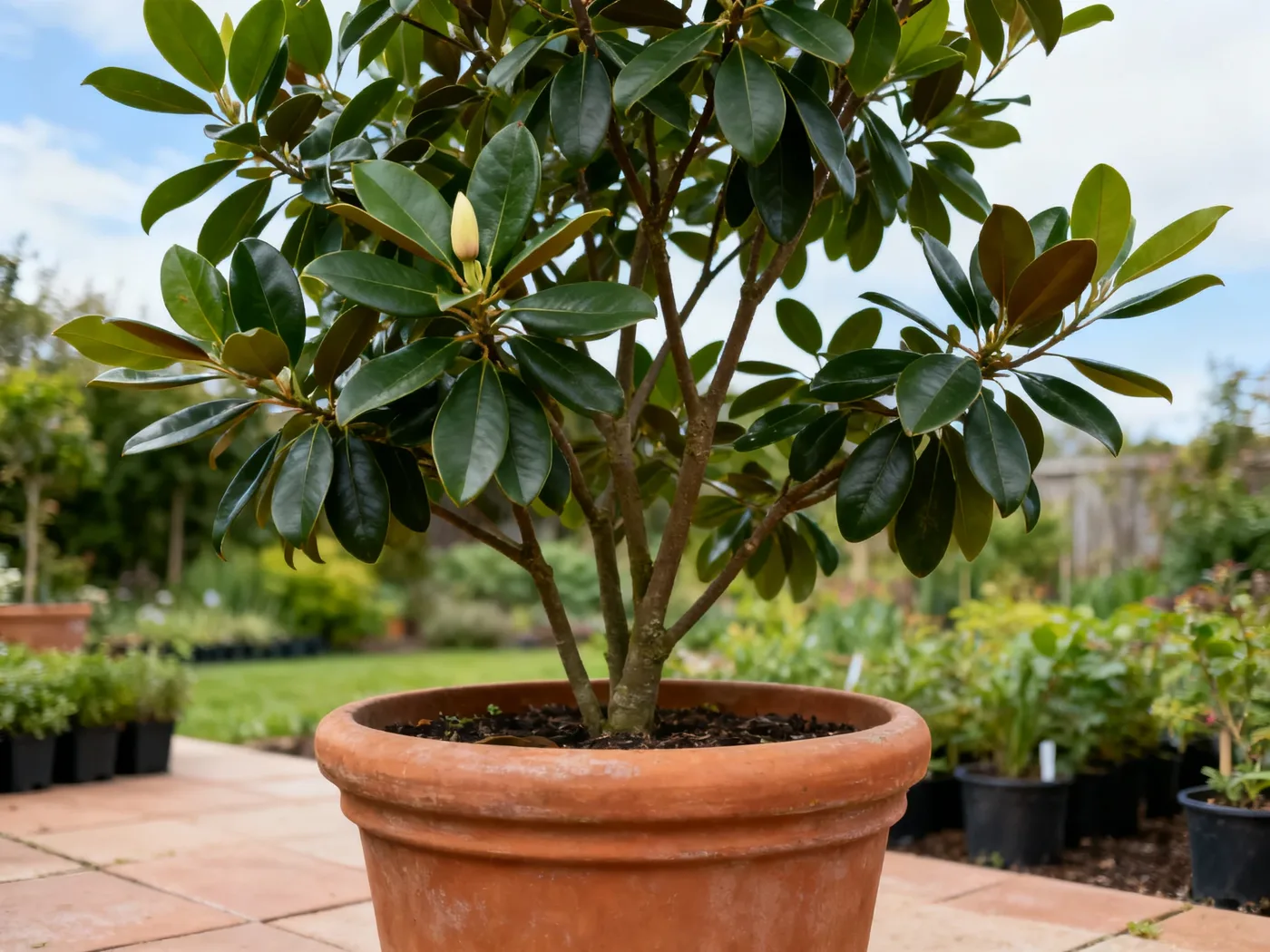
Quality matters more than size. A healthy quart plant outperforms a neglected #3. Use these checkpoints to evaluate any Jane Magnolia before buying.
Foliage
Examine leaves closely. Healthy Jane Magnolia foliage is deep green, unblemished, and firm to the touch. Leaves range from 3 to 5 inches long and should have an oval or slightly obovate shape. Avoid plants with yellowed, wilted, or spotted leaves. Leaf discoloration signals poor growing conditions or disease. Run your fingers along a stem; leaves should snap or bend without tearing apart.
Stem structure
Jane Magnolia grows as a deciduous shrub, often multi-stemmed, though nurseries sometimes train them as small trees. Look for stems that are firm, not woody-brittle. Flexible stems indicate healthy, living wood. Check the base where stems meet the soil; there should be no sunken lesions, cankers, or discolored bark. Smooth gray bark on the stems is normal and attractive even on young plants.
Flower buds
If buying during late winter or early spring, examine the fuzzy flower buds visible on bare branches. Healthy buds are plump, firm, and uniform in color (gray or tan). If buds appear shriveled, black, or have been rubbed off, the plant has been stressed or damaged in shipping. Some petal bruising from handling is acceptable, but extensive damage means don't buy.
Root system
If the nursery permits, gently slip the plant from its container. Roots should be white or light tan and firm, never mushy or black. A few roots circling the pot are normal, but dense root binding (where roots have no soil between them) suggests the plant has been in its container too long. Some root-bound plants recover well, but watch for stunted growth after planting. Avoid plants where roots have a foul smell; that indicates rot.
Overall shape
A well-grown Jane Magnolia in a nursery container should be compact and balanced. If the plant is leggy, with bare lower stems and leaves clustered only at the top, growth has been weak. The ideal nursery specimen is full from the base up, even if compact due to container constraints.
Key Features to Compare When Buying
If you're choosing between multiple Jane Magnolia plants, these features will help you rank them.
- Age and flowering potential: Younger plants may cost less but won't flower as soon. If you want blooms this spring, pick a plant showing flower buds or at least 2 to 3 years of growth. Nursery-grown plants can flower within 1 to 3 years.
- Container health: Is the pot cracked or degraded? Are drainage holes clear? A clean, sturdy container indicates the nursery maintained the plant properly.
- Soil moisture: The soil should be moist but not soggy when you touch it. If bone-dry, the plant has been neglected. If waterlogged, roots may be rotting.
- Pest evidence: Look for sticky webbing, small insects on leaves, or tiny holes in foliage. Jane Magnolia is generally hardy, but scale insects and occasional magnolia weevil infestations happen. A pest-free plant is preferable, though mild infestations are treatable.
- Cultivar accuracy: Confirm you're buying Magnolia 'Jane', not a similar cultivar like Magnolia 'Ann' or 'Susan'. Check the label; reputable nurseries label their plants clearly.
- Plant origin: If available, ask whether the plant was propagated from cuttings (the standard method) or grown from seed. Cuttings ensure genetic fidelity to the named cultivar.
Red Flags to Avoid
These warning signs indicate a Jane Magnolia that will struggle after planting or may not survive.
- Yellow lower leaves: A few yellow leaves at the base are normal senescence, but widespread yellowing suggests nutrient stress, overwatering, or disease. Skip this plant.
- Broken or missing branches: Rough handling in transit or at the nursery leaves Jane Magnolia vulnerable. Minor twig breakage is forgivable, but a missing large branch is a long-term loss of structure.
- Mold or algae on soil: Green algae on the pot's soil surface means the plant has been overwatered or kept in poor light. Mold often accompanies root issues.
- Loose or dry root ball: If the soil falls away from the roots when the plant is in the container, it has likely been dropped or mishandled. Shock will delay establishment.
- Severe pest infestation: A few scale insects are treatable, but dense webbing, widespread leaf damage, or moving insects warrant avoidance. Infested plants stress your other garden specimens.
- No growth in two years: If the nursery can't tell you when the plant was potted and it's clearly stunted for its container size, growth has stalled. Assume establishment issues ahead.
- Low-quality label information: A Jane Magnolia with a handwritten, illegible, or generic label might not be the cultivar you want. Reputable nurseries print clear, detailed tags.
Where to Buy Jane Magnolia
Your sourcing options range from local specialists to online retailers. Each channel has strengths and trade-offs.
Local nurseries and garden centers
Shopping in person lets you inspect the plant before buying. You can examine foliage, check for pests, and assess container quality firsthand. Local nurseries staff are often knowledgeable and can advise on your hardiness zone (Jane Magnolia thrives in zones 4 to 8) and site conditions. The downside is limited selection; your local nursery may carry only one cultivar or size.
Specialty magnolia growers
Magnolia specialists often stock several Jane Magnolia sizes and sometimes rare companion cultivars. They can advise on mature height (10 to 15 feet) and spread (8 to 12 feet), ensuring you pick the right size for your space. Many operate regionally and ship within their climate range. Prices are competitive, and plants are often exceptional quality.
Online retailers
National online nurseries and e-commerce platforms offer convenience and wide selection. You can compare prices across vendors and buy year-round. The trade-off is you can't inspect the plant before it arrives, and shipping can stress specimens. Choose vendors with robust return policies and good reviews. Reputable online retailers pack plants carefully and often provide establishment care guides.
Mail-order specialty nurseries
Some mail-order nurseries focus exclusively on magnolias or woody ornamentals. They typically ship bare-root dormant plants in late fall or early spring, which is cheaper and lighter than container plants. However, bare-root specimens need careful establishment. Ask whether your chosen mail-order source offers container Jane Magnolia or only bare-root stock.
Whichever channel you choose, verify the seller is reputable. Check customer reviews, ask about return policies, and confirm the plant is labeled Magnolia 'Jane' specifically, not a generic magnolia or unlabeled specimen.
Planting Your Jane Magnolia After Purchase
Once you've bought your Jane Magnolia, successful establishment depends on proper planting. Jane Magnolia prefers moist, well-drained, humus-rich soil and adapts to loam and clay-loam if drainage is adequate. Soil pH should be slightly acidic to neutral (around 5.5 to 6.5).
Plant in full sun for best flowering and the densest plant form, though part shade is tolerated. Water consistently after planting; Jane Magnolia is not drought tolerant until fully established, which takes one to two growing seasons. Space multiple Jane Magnolia plants 10 to 15 feet apart if creating a screen or hedge.
For detailed care instructions after purchase, refer to the complete Jane Magnolia care guide for every season, which covers soil amendment, watering schedules, and seasonal maintenance.
Quick Reference: Buying Checklist
| Factor | What to Check | Good Sign | Red Flag |
|---|---|---|---|
| Container size | Quart, #1, or #3 | Matches your budget and timeline | Overgrown roots escaping drainage holes |
| Foliage | Leaf color and texture | Deep green, unblemished, 3-5 inches long | Yellow, spotted, wilted, or thin leaves |
| Stems | Bark and structure | Firm, flexible, smooth gray bark | Sunken lesions, cankers, or brittle wood |
| Flower buds | Bud condition (if in dormancy) | Plump, firm, gray or tan, intact | Shriveled, black, or rubbed off |
| Root system | Color and firmness | White or light tan, firm, not mushy | Black, soft, or foul-smelling roots |
| Overall shape | Branch distribution | Full and compact from base up | Leggy with bare lower stems |
| Soil | Moisture and condition | Moist but not waterlogged, clean | Bone-dry, algae-covered, or moldy |
| Label accuracy | Cultivar name and details | Clear, reads 'Magnolia Jane' | Illegible, generic, or missing information |
| Pests or disease | Insects or leaf damage | None visible | Webbing, moving insects, widespread spots |