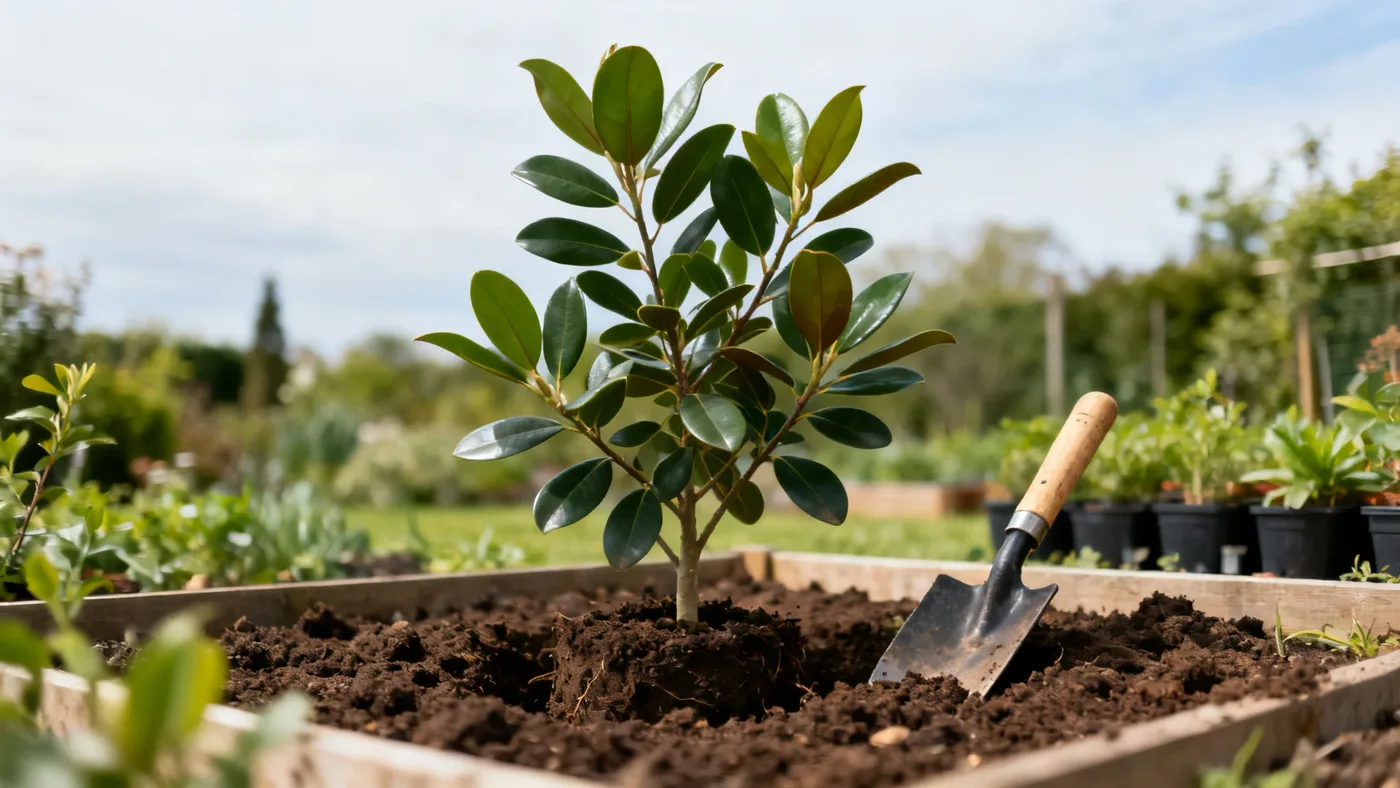
How to Plant a Jane Magnolia Tree for Best Results
Jane Magnolia trees are relatively low-maintenance once established, but getting them into the ground correctly sets the stage for decades of reliable spring color. This guide walks you through every step, from site selection to those critical first months after planting, so you can avoid the most common pitfalls and give your tree the strongest possible start.
Why Jane Magnolia Deserves a Spot in Your Garden
Jane Magnolia (Magnolia 'Jane') is a 'Little Girl' series hybrid that brings reddish-purple blooms to the late spring garden, sidestepping many of the late frost issues that plague earlier-blooming magnolias. It stays a manageable size (10 to 15 feet tall and 8 to 12 feet wide at maturity), works in zones 4 through 8, and offers attractive gray bark and fuzzy buds during winter months when the garden is otherwise bare. The mild, sweet fragrance and dense foliage make it equally valuable as a specimen tree, foundation planting, or part of a border or screen.
If you're planting in a cold zone or a spot exposed to spring weather swings, Jane Magnolia's later bloom time is one of its biggest advantages. But success starts with the right site, soil, and timing from day one.
Before You Plant: Essential Site and Soil Considerations
Light Requirements
Jane Magnolia flowers best and grows densest in full sun. That means at least 6 hours of direct sunlight daily. Part shade will work, especially if you live in a hot zone, but you may see fewer blooms and a more open form. Avoid planting under the drip line of large trees or in the shadow of a south-facing wall that bounces afternoon heat.
Soil pH and Drainage
This hybrid prefers slightly acidic to neutral soil, ideally in the range of 5.5 to 6.5 pH. Jane Magnolia is adaptable to loam and clay-loam, but drainage must be adequate. If your soil is heavy clay that holds water after rain, plan to amend it or choose a slightly raised planting site. Poor drainage is one of the fastest ways to damage roots and invite disease. The soil should remain consistently moist during the growing season, but never soggy.
If you suspect your soil is alkaline (pH above 7), do a test first. High-pH soils can cause chlorosis (yellowing leaves), particularly in the early years. If your soil tests above 7, you have two options: use a soil acidifier when you amend, or consider a different location.
Wind and Frost Protection
Even though Jane Magnolia blooms later than star magnolia, late spring frosts can still damage open flowers in some years. A spot with protection from strong wind helps preserve flower buds and keeps the branches from whipping. Avoid planting on an exposed ridge or directly in the path of prevailing northwest winds in spring.
Materials and Tools You Will Need
- Jane Magnolia tree (usually sold in #1, #3, or larger container)
- Shovel or spade
- Soil test kit or results from your local extension service
- Soil amendments (peat moss, compost, or bark mulch to improve drainage and add humus)
- Perlite or coarse sand (if your soil is heavy clay)
- Balanced, slow-release, acid-forming fertilizer for trees and shrubs
- Mulch (wood chips or shredded bark)
- Garden hose with spray nozzle or watering can
- Pruning shears (for any damaged roots or branches)
- Landscape fabric or cardboard (optional, to suppress weeds)
- Measuring tape or ruler
Step-by-Step Planting Instructions
Step 1: Choose Your Planting Time
Plant Jane Magnolia in early spring or early fall. These windows let the tree settle into its new location during cooler weather, reducing transplant stress. Early spring (March through April in colder zones, February through March in warmer regions) is ideal because the tree has the entire growing season ahead. Early fall (late August through September) also works well, as long as you plant at least 6 weeks before the first hard frost in your area. This gives the roots time to establish before winter dormancy. Avoid planting in the heat of summer or during cold snaps.
Step 2: Prepare Your Planting Hole
Dig a hole that is as deep as the root ball and 2 to 3 times wider. If your tree arrives in a 3-gallon (or larger) container, the hole might be 18 inches to 2 feet wide and equally deep. The wider hole allows roots to spread into loosened soil, encouraging establishment. Rough up the sides of the hole so roots make good contact with the surrounding soil. Do not dig deeper than the root ball; planting too deep is a common mistake that promotes rot and poor growth.
Step 3: Amend and Prepare Your Soil
Remove your Jane Magnolia from its container by carefully tipping it on its side and gently sliding the tree out. Loosen the root ball slightly with your fingers, especially if roots are circling tightly. Do not tear or break major roots, but loosening the outer layer of soil helps roots branch into surrounding earth.
Mix the excavated soil with amendments. For most soils, combine 1 part peat moss or compost to 2 parts native soil. If your soil is heavy clay, also add coarse sand or perlite to improve drainage (roughly 1 part sand per 3 parts amended soil). This blend keeps the soil moist and humus-rich while ensuring water does not pool. Test your amended soil's pH if your original test showed it was high; the addition of peat moss or an acid-forming amendment can lower pH slightly.
Step 4: Position the Tree
Place the Jane Magnolia into the center of the planting hole so the top of the root ball is level with the ground surface. You should not see exposed roots, nor should soil cover the base of the trunk. Use a straight edge or your eye to check that the tree is vertical from multiple angles. This is worth the extra 30 seconds now because a tilted tree becomes a tilted tree for life.
Step 5: Backfill the Hole
Fill the hole halfway with your amended soil mixture, pressing gently to eliminate large air pockets without compacting hard. Water the backfill soil thoroughly so it settles. Continue filling with amended soil until the hole is full and the tree sits at the same depth as it did in its container. Water again to settle all the soil. The goal is firm contact between roots and soil, not concrete-like compaction.
Step 6: Mulch the Base
Spread 2 to 3 inches of wood chips or shredded bark around the base of the tree, keeping the mulch 3 to 4 inches away from the trunk. This layer conserves soil moisture, moderates soil temperature, and suppresses weeds. Do not pile mulch against the trunk; a "mulch volcano" invites pests and disease. Refresh the mulch annually, keeping it at about 2 to 3 inches.
Step 7: Water Thoroughly
Give the freshly planted tree a deep watering after you finish. The water carries the amended soil into any remaining air gaps and settles the root ball into its new home. The soil should be evenly moist but not soggy.
Planting Tips and Common Mistakes to Avoid
Spacing for Multiple Trees or Hedges
If you are planting Jane Magnolia in a group, screen, or hedge, space trees 10 to 15 feet apart (center to center). This accounts for their mature spread of 8 to 12 feet. Tighter spacing will lead to overcrowding and reduced flowering as the trees mature. You can initially underplant with smaller shrubs or perennials to fill gaps; these can be thinned or removed as the magnolias expand.
pH and Chlorosis
If your soil is naturally alkaline or you live in an area with hard water and high-pH soils, Jane Magnolia may develop yellowing leaves, especially in the first year. A light application of an acid-forming fertilizer in early spring can help. If chlorosis becomes severe, consult your local extension office about longer-term amendments, such as elemental sulfur to lower soil pH. Chlorosis is usually less pronounced after the first growing season once the tree adapts, but prevention is easier than treatment.
Planting Too Deep
The single most common magnolia planting mistake is burying the root ball or trunk flare too deep. This leads to root rot, stem canker, and slow decline. Your tree should sit at grade level, the same depth it was growing in its container. If you amend the soil significantly, your tree may actually end up sitting higher than surrounding soil; that is fine. Do not add soil on top of the root ball to make it level with the surrounding area.
Overwatering Early On
Jane Magnolia does not like drought, but it also dislikes waterlogged soil. After planting, water deeply but not daily unless your weather is exceptionally hot and dry. Consistent moisture means the soil feels damp 2 to 3 inches below the surface, not wet. Let the soil dry slightly between waterings in the first few weeks. Once the tree is established (after the first year), it becomes more resilient but still appreciates summer watering during dry spells.
Fertilizing Too Soon or Too Much
Do not fertilize immediately after planting. Your amended soil contains enough nutrients for the first year. Wait until early spring of the second year to apply a balanced, slow-release, acid-forming fertilizer formulated for trees and shrubs. Light annual feeding is all Jane Magnolia needs. Over-feeding encourages soft growth and can reduce flowering.
After Planting: First-Year Care and Expectations
Watering Through the First Growing Season
Water your newly planted Jane Magnolia once or twice weekly (depending on rainfall and heat) for the first growing season. Aim for 1 to 2 inches per week from rain and supplemental irrigation combined. In fall and spring, reduce frequency. Mulch helps retain moisture and reduces watering needs. By the second year, once the root system has expanded into the surrounding soil, watering needs decrease significantly.
Pruning and Shaping
Minimal pruning is needed on Jane Magnolia. Remove any dead, diseased, or crossing branches as you see them. If shaping is desired, wait until right after flowering, since buds for next year's blooms set on old wood shortly after the current flowers fade. Light heading cuts in late spring keep the tree denser, but magnolias do not require heavy pruning.
Early Growth and Bloom
Expect your Jane Magnolia to grow roughly 1 foot per year under good conditions, though this rate varies with climate, water, and soil. Many nursery-grown plants flower within 1 to 3 years, even in their first year in the ground if they are mature enough at purchase. Early flowers from a young tree are fine to enjoy; they do not significantly stress the plant. The tree reaches full mature height of 10 to 15 feet in roughly 10 to 15 years with proper care.
Expected Results and Long-Term Outlook
A well-planted Jane Magnolia will establish quickly and flower reliably in mid-to-late spring. The reddish-purple exterior petals and white to pale pink inner petals make a striking display. Fragrance is mild but sweet, noticeable on calm days. You may see sporadic lighter rebloom in summer in favorable conditions. Fall color is undistinguished (muted bronze-yellow at best), but the winter bark and visible buds add interest when the tree is leafless.
With good siting and basic care, Jane Magnolia is long-lived, often reaching 50 years or more. Deer occasionally browse the foliage but do not typically cause serious damage. The tree attracts early-season bees and other pollinators, making it a wildlife-friendly choice as well.
Quick Reference Planting Checklist
| Task | Timing | Details |
|---|---|---|
| Site Selection | Before Purchase | Full sun to part shade; protect from strong wind; check soil pH (aim for 5.5-6.5) |
| Planting Season | Early Spring or Early Fall | March-April (spring) or late August-September (fall) in most zones 4-8 |
| Hole Preparation | Day of Planting | Dig 2-3x wider than root ball; same depth as root ball height |
| Soil Amendment | Day of Planting | Mix excavated soil with peat moss/compost (1:2 ratio); add sand if heavy clay |
| Positioning | Day of Planting | Root ball level with ground; no burying of trunk flare |
| Mulching | Day of Planting | Apply 2-3 inches around base; keep 3-4 inches from trunk |
| Initial Watering | Day of Planting | Deep watering to settle soil and eliminate air pockets |
| First Growing Season Watering | Spring through Fall Year 1 | 1-2 inches per week via rain and supplemental irrigation |
| Fertilizing Start | Early Spring Year 2 | Light annual feeding with balanced, acid-forming fertilizer |
| Spacing (Multiple Trees) | Before Purchase | 10-15 feet apart (center to center) for groups, screens, or hedges |
| Expected First Bloom | Within 1-3 Years | Mid-to-late spring; reddish-purple exterior, white/pale pink interior |
| Mature Size | 10-15 Years | Height 10-15 ft; Width 8-12 ft (growth ~1 ft per year) |
Now that you understand the fundamentals of planting Jane Magnolia, you are ready to choose your site and get your tree in the ground. For detailed care after the first year, including pruning, pest management, and seasonal maintenance, see our complete Jane Magnolia care guide for every season.