Jane Magnolia
Grow Jane Magnolia Well: Reddish-Purple Spring Blooms, Zones 4-8
About Jane Magnolia
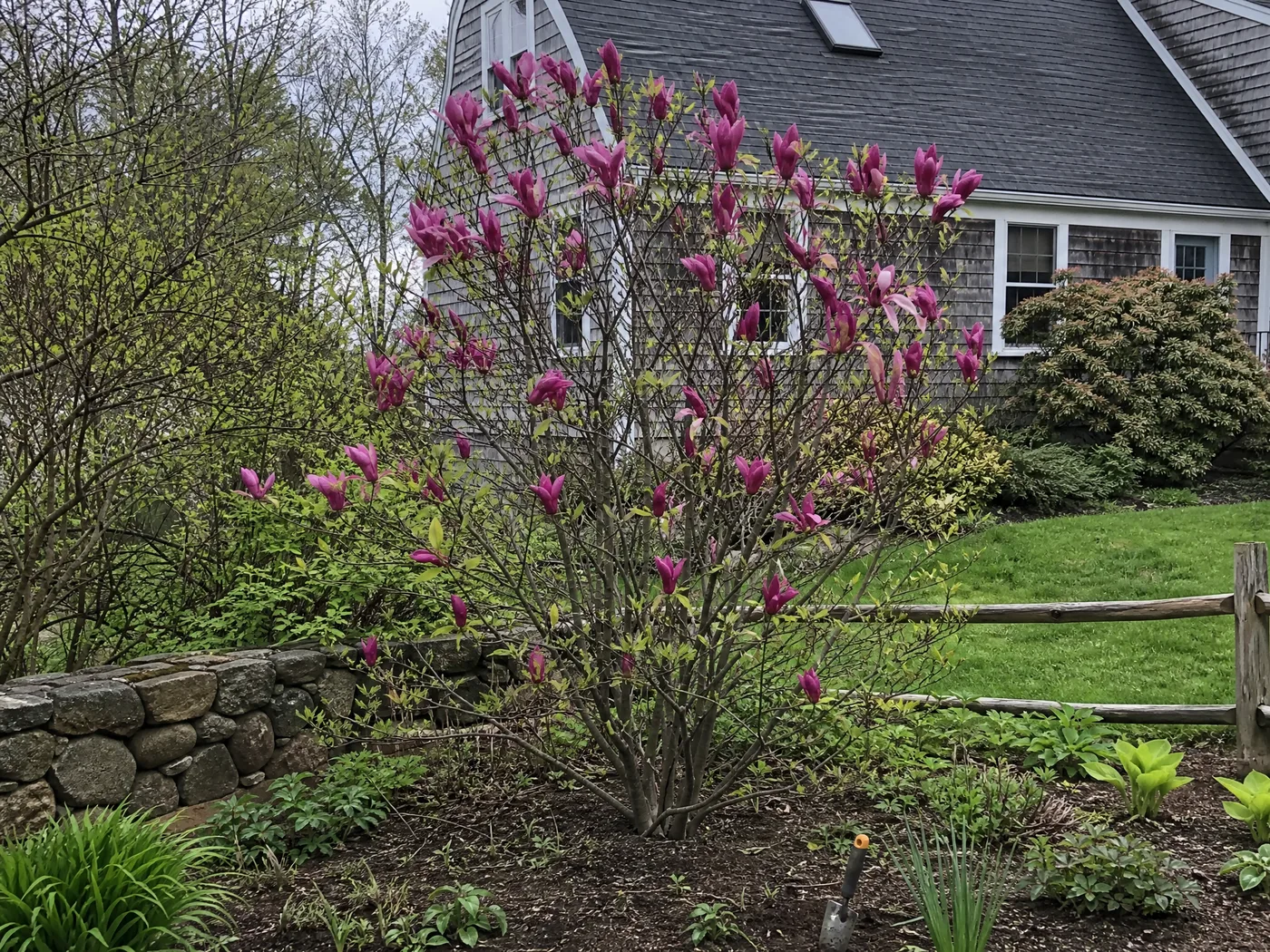
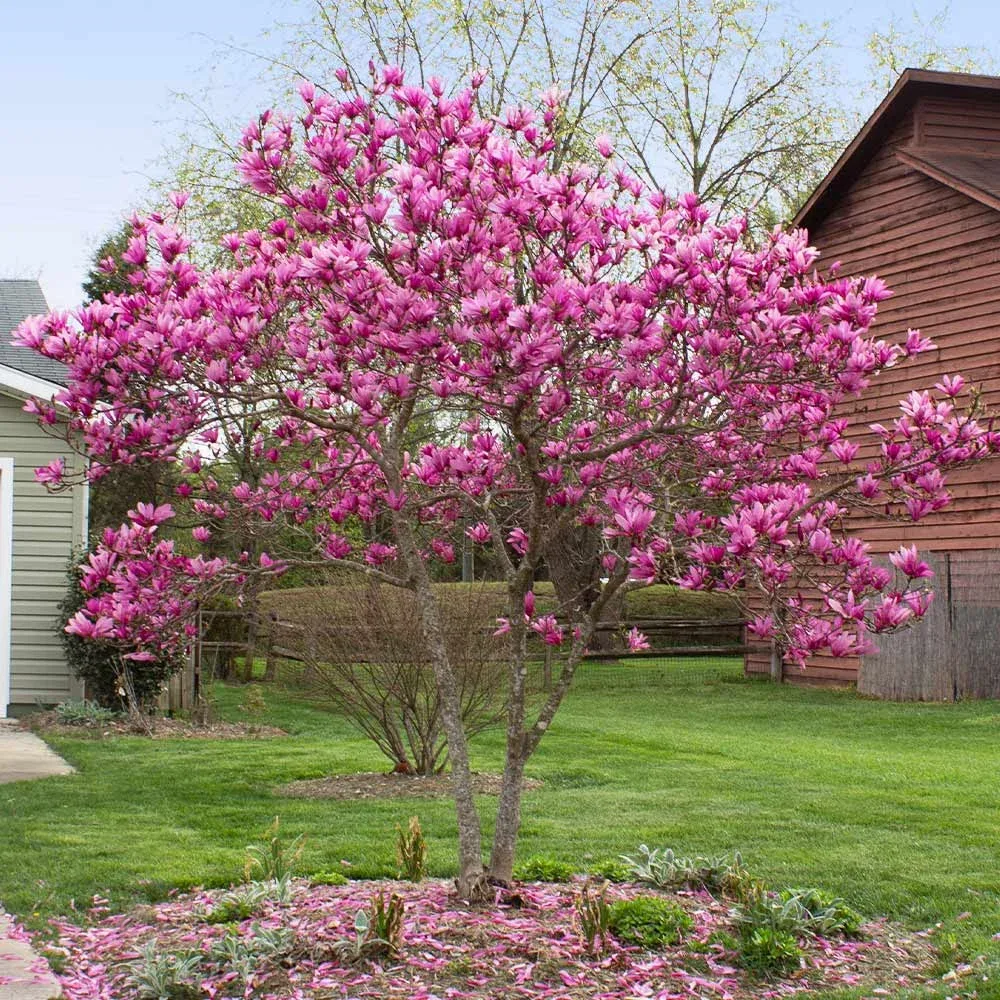
Jane Magnolia is a deciduous shrub, often grown as a small multi-stemmed tree, prized for its reddish-purple tulip-shaped flowers in mid-to-late spring. Part of the U.S. National Arboretum's 'Little Girl' series, it blooms later than star magnolia, dodging late frosts. Hardy in zones 4-8, it adds elegant color to borders, foundations, and urban gardens.
This site walks you through planting Jane Magnolia in the right location, understanding watering and sun needs to encourage abundant spring blooms, seasonal care and pruning through the year, troubleshooting common issues, and sourcing healthy plants for your garden. Each guide draws from direct growing experience to give you the confidence you need from day one.
Buy Jane Magnolia
Nursery-grown plants shipped in their container, with our planting and care guides to go with them.
From $80.55
Sizes: 1 Gallon 1-2 Feet Multi Stem, 3 Gallon 3-4 Feet Shrub Form
Shop Jane MagnoliaQuick facts
- USDA zones
- 4-8
- Mature height
- 10-15 ft (some sources cite up to 20 ft in ideal conditions)
- Mature width
- 8-12 ft
- Sun
- full sun to part shade; best flowering and densest form in full sun
- Water
- medium, consistent moisture; not drought tolerant once established without supplemental wa
- Bloom time
- mid-to-late spring (later than star magnolia, which helps dodge late frosts); sporadic lig
- Bloom color
- reddish-purple to purple-pink outside, white to pale pink/lavender inside
- Growth rate
- slow to moderate, roughly 1 ft per year
- Deer resistance
- moderate resistance (occasionally browsed, not a preferred deer food)
- Plant type
- deciduous shrub (often grown as a small multi-stemmed tree)
- Part of the U.S. National Arboretum's 'Little Girl' series of eight hybrid magnolias
- Blooms 2-4 weeks later than star magnolia, reducing frost damage to flowers
- Reddish-purple, tulip-shaped flowers with a white interior
- Compact, shrubby habit, typically 10-15 ft tall and wide
- Hardy in USDA zones 4-8
- Sometimes produces a light rebloom in summer
- Low-maintenance once established, needs little pruning
Growing guides
 Core guide
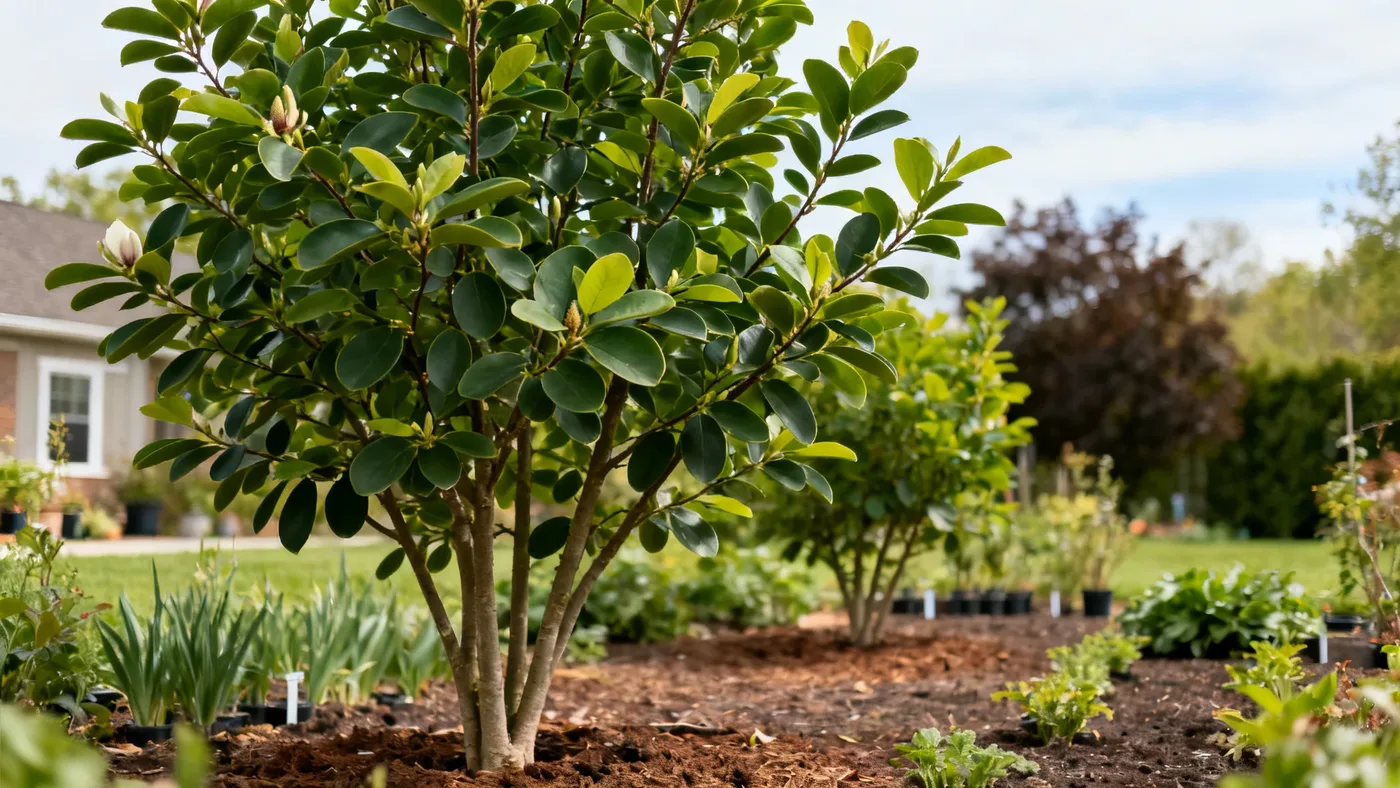
The Complete Jane Magnolia Care Guide for Every Season
Learn how to grow and care for Jane Magnolia year-round: planting, watering, pruning, and seasonal maintenance in zones 4-8.
 Core guide
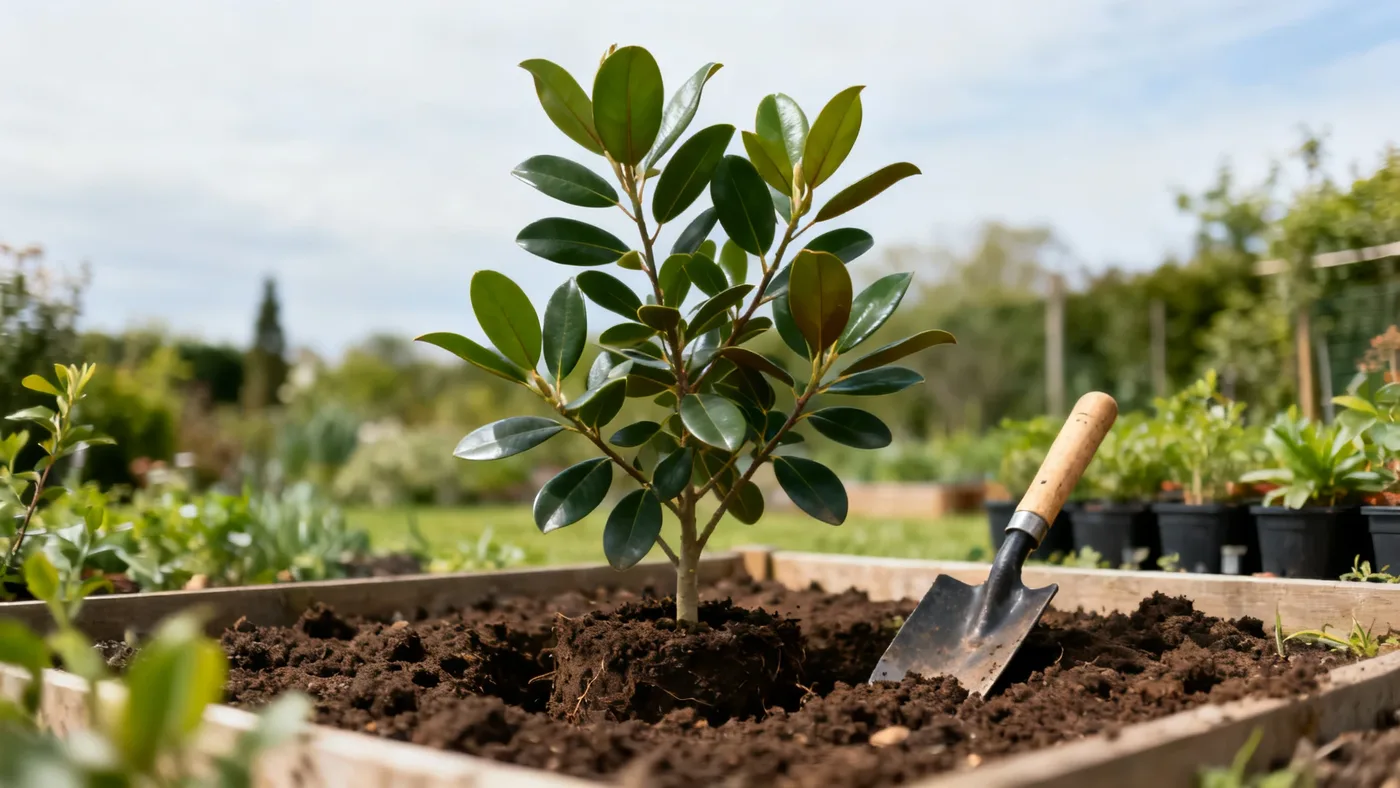
How to Plant a Jane Magnolia Tree for Best Results
Learn how to plant Jane Magnolia trees step-by-step for optimal growth, hardiness, and stunning spring blooms in zones 4-8.
 Plant specific
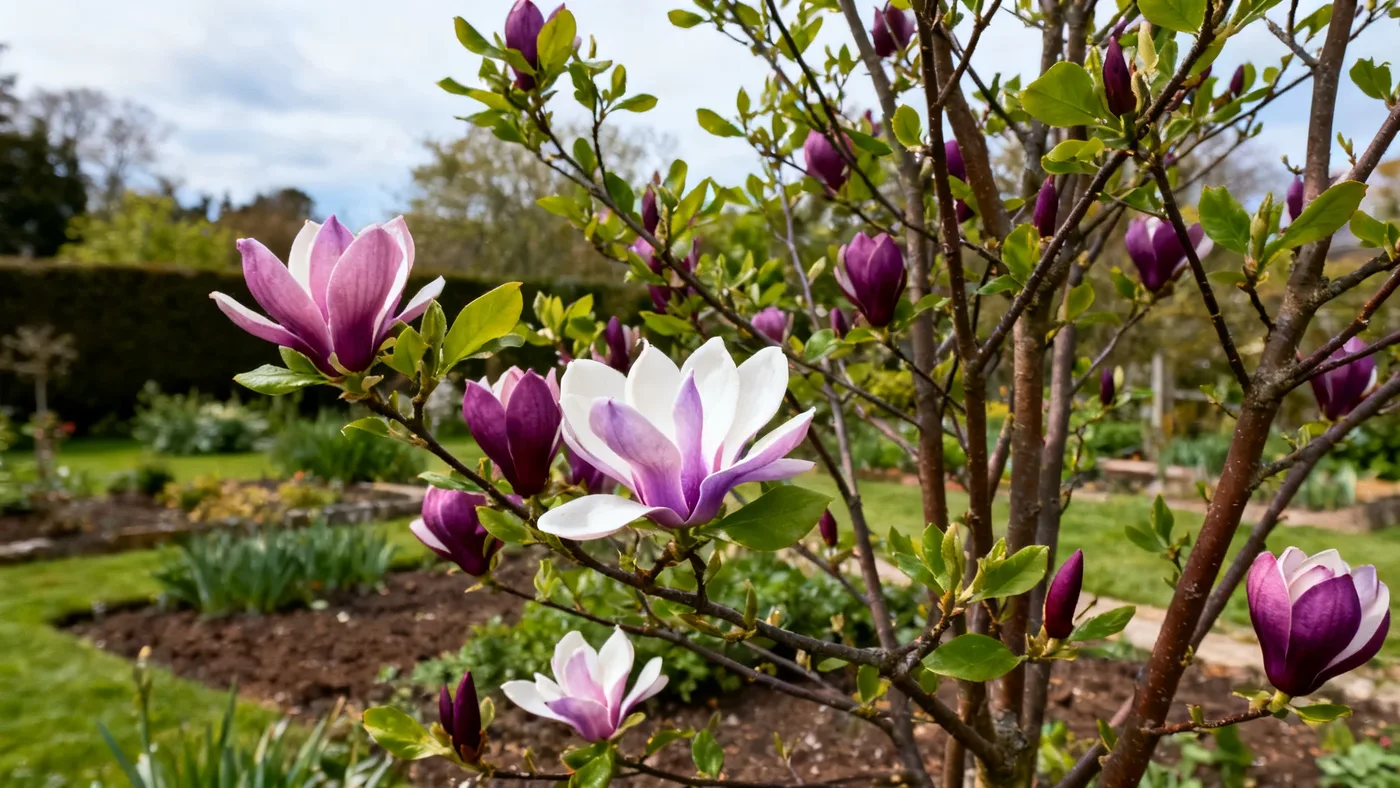
Jane Magnolia Bloom Time: Flower Color and How Long It Lasts
Learn when Jane Magnolia blooms, how long flowers last, and what to expect from this stunning spring-flowering shrub.
 Core guide
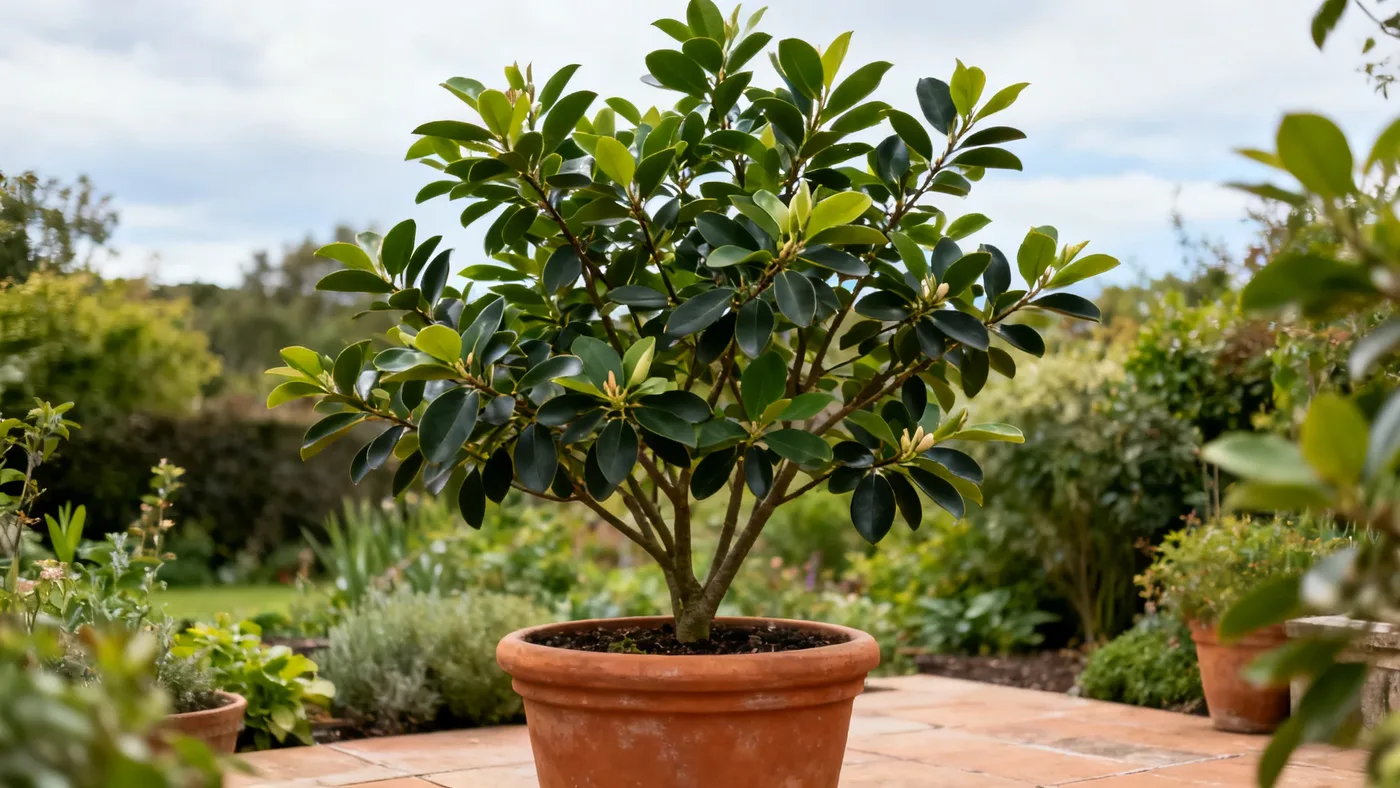
Buying a Jane Magnolia: Container Sizes and What to Look For
Buy Jane Magnolia online or at nurseries. Learn container sizes, what to look for in healthy plants, and where to find quality specimens for
 Core guide
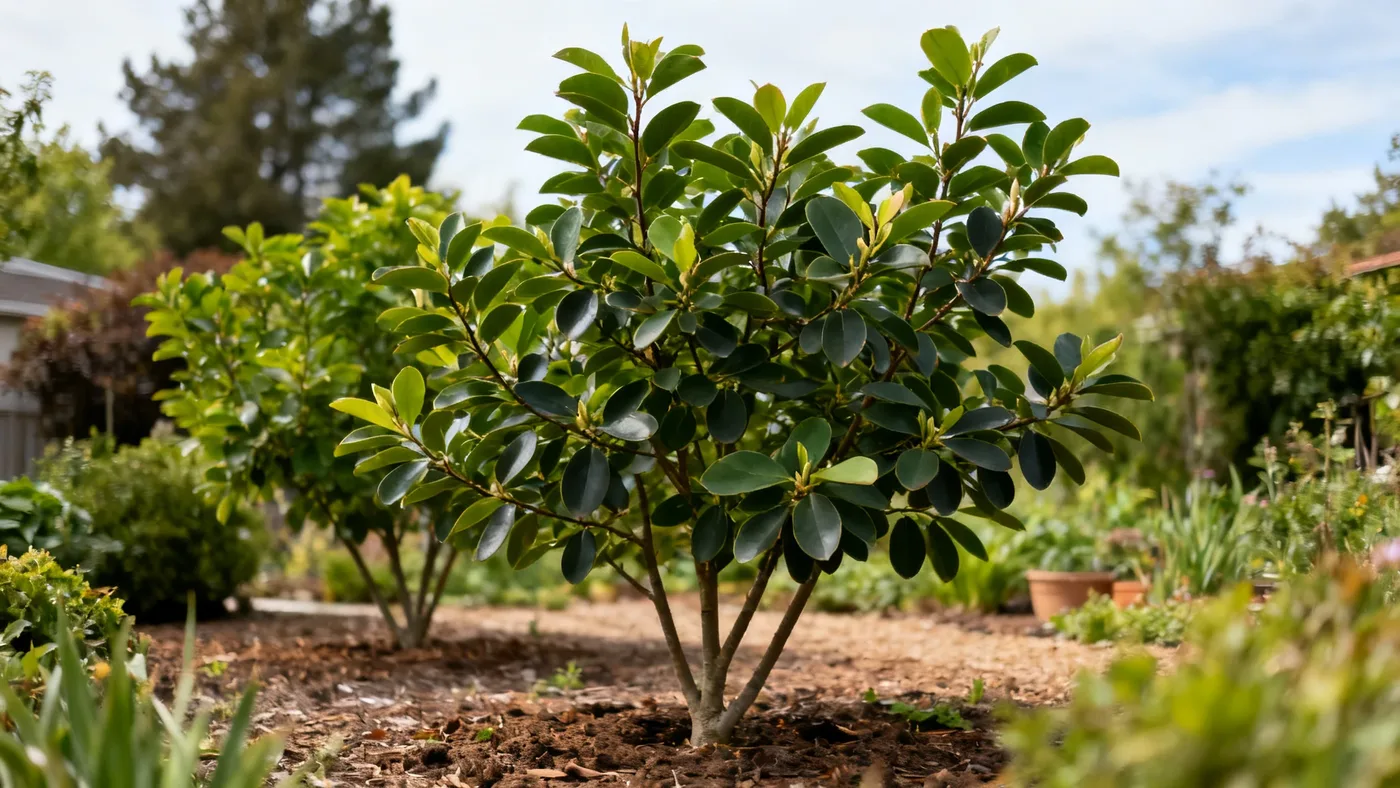
What Growing Zones Are Best for Jane Magnolia?
Jane Magnolia grows best in USDA zones 4-8. Learn how to succeed in your climate, from cold northern winters to warm southern summers.
 Plant specific
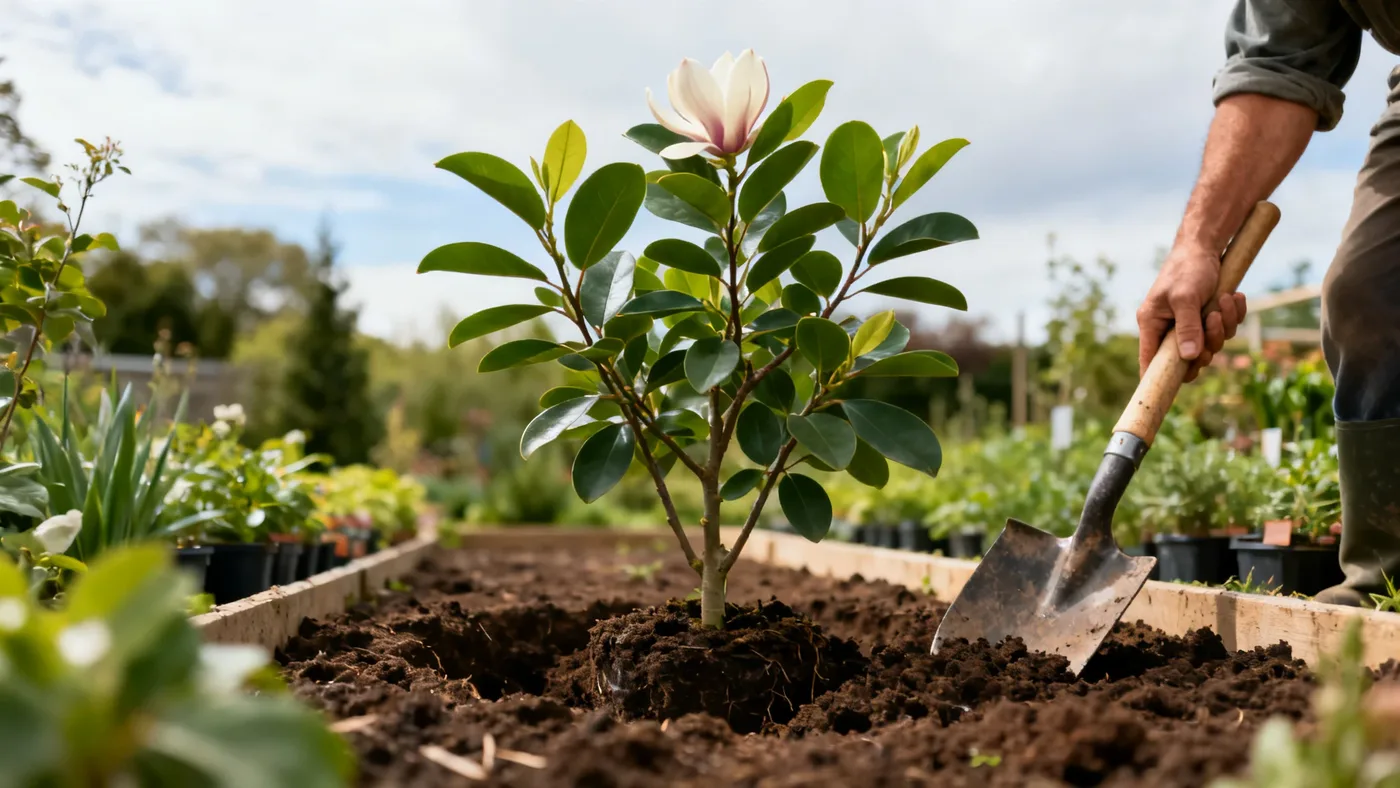
Jane Magnolia vs Magnolia Ann: Which Should You Plant?
Jane Magnolia vs Magnolia Ann: Both Little Girl hybrids, but which suits your garden? Compare bloom time, size, hardiness, and best uses her
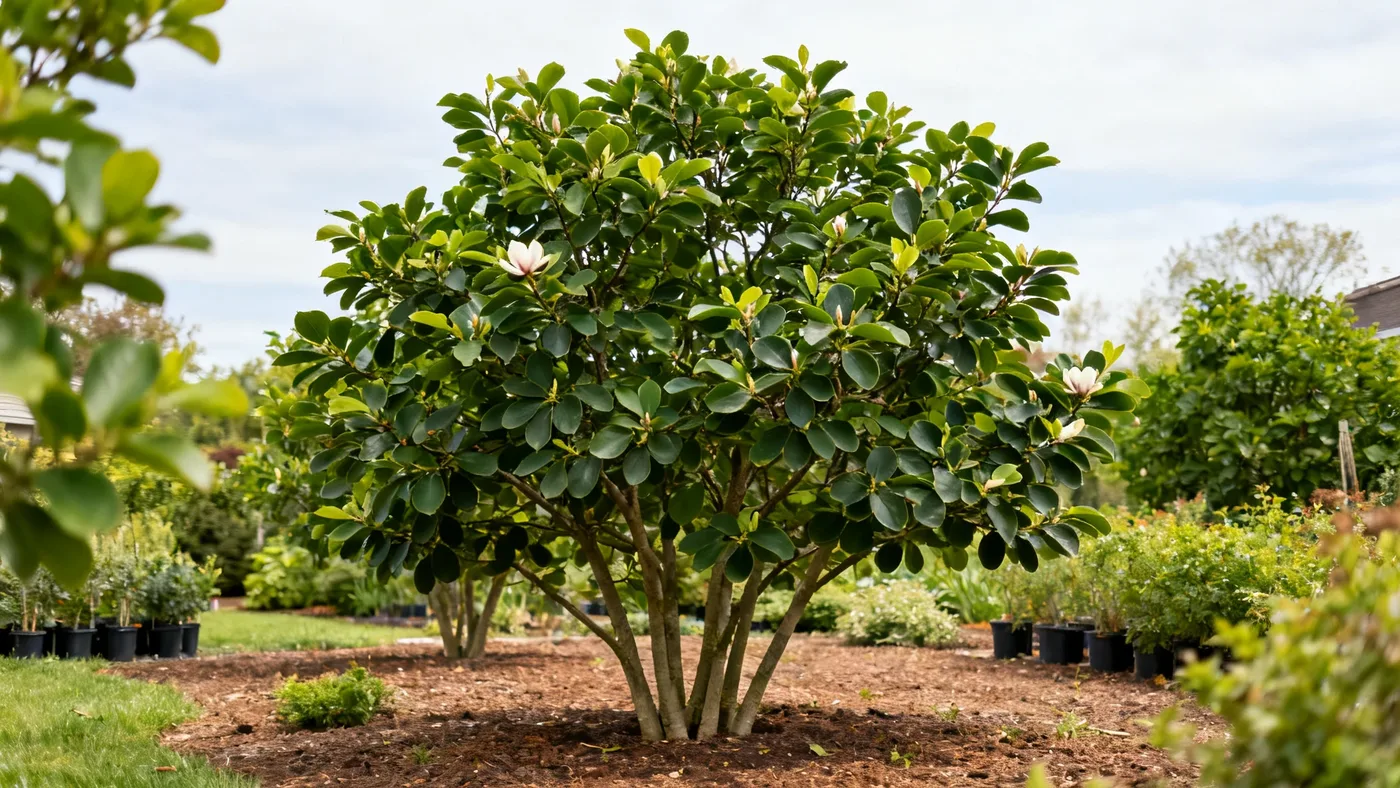 Core guide
Jane Magnolia Sun Requirements: Full Sun or Part Shade?
Learn jane magnolia sun requirements: full sun for best blooms, or part shade for your garden. Sizing up light for reddish-purple spring flo
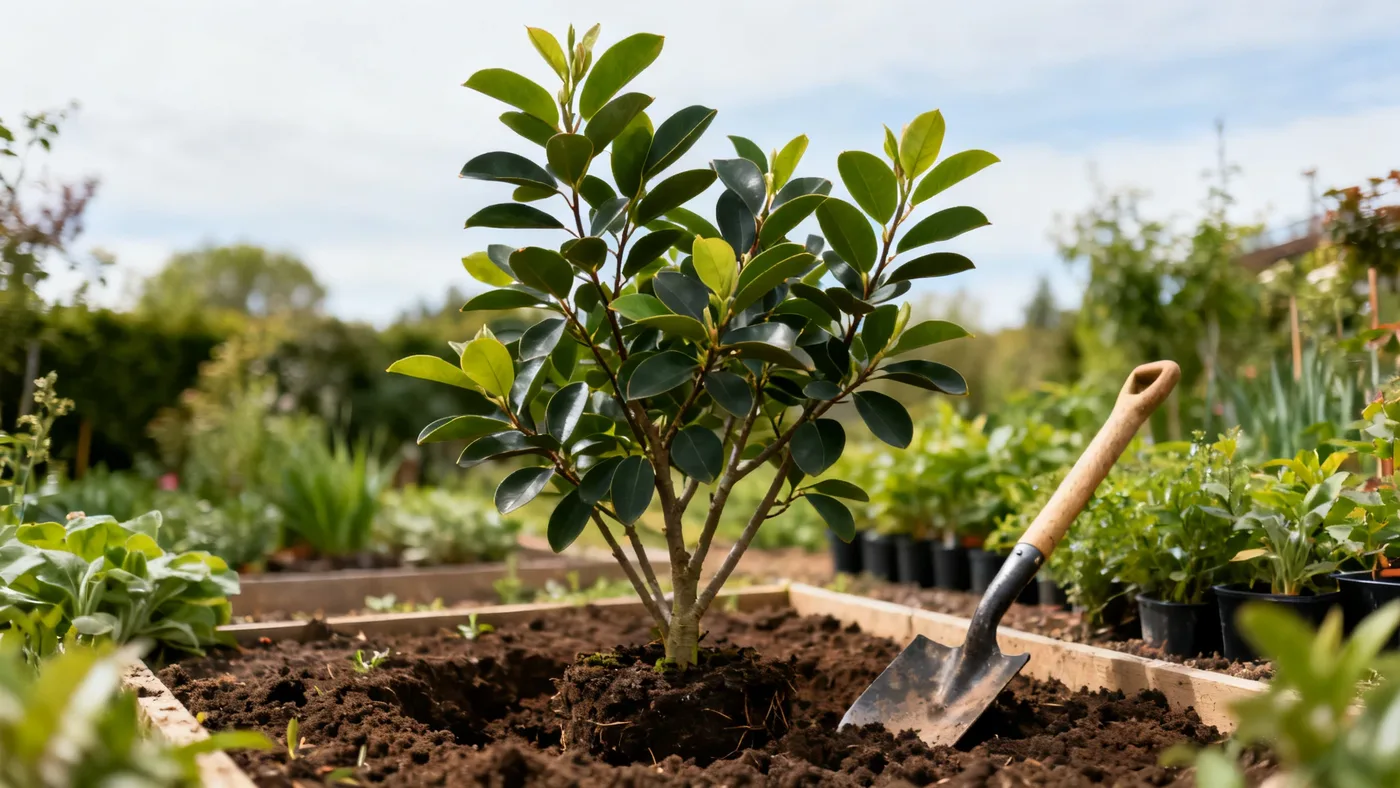 Core guide
Watering Jane Magnolia: From New Planting to Maturity
Learn when and how to water Jane Magnolia at every growth stage, from new planting through maturity. Avoid overwatering and drought stress.
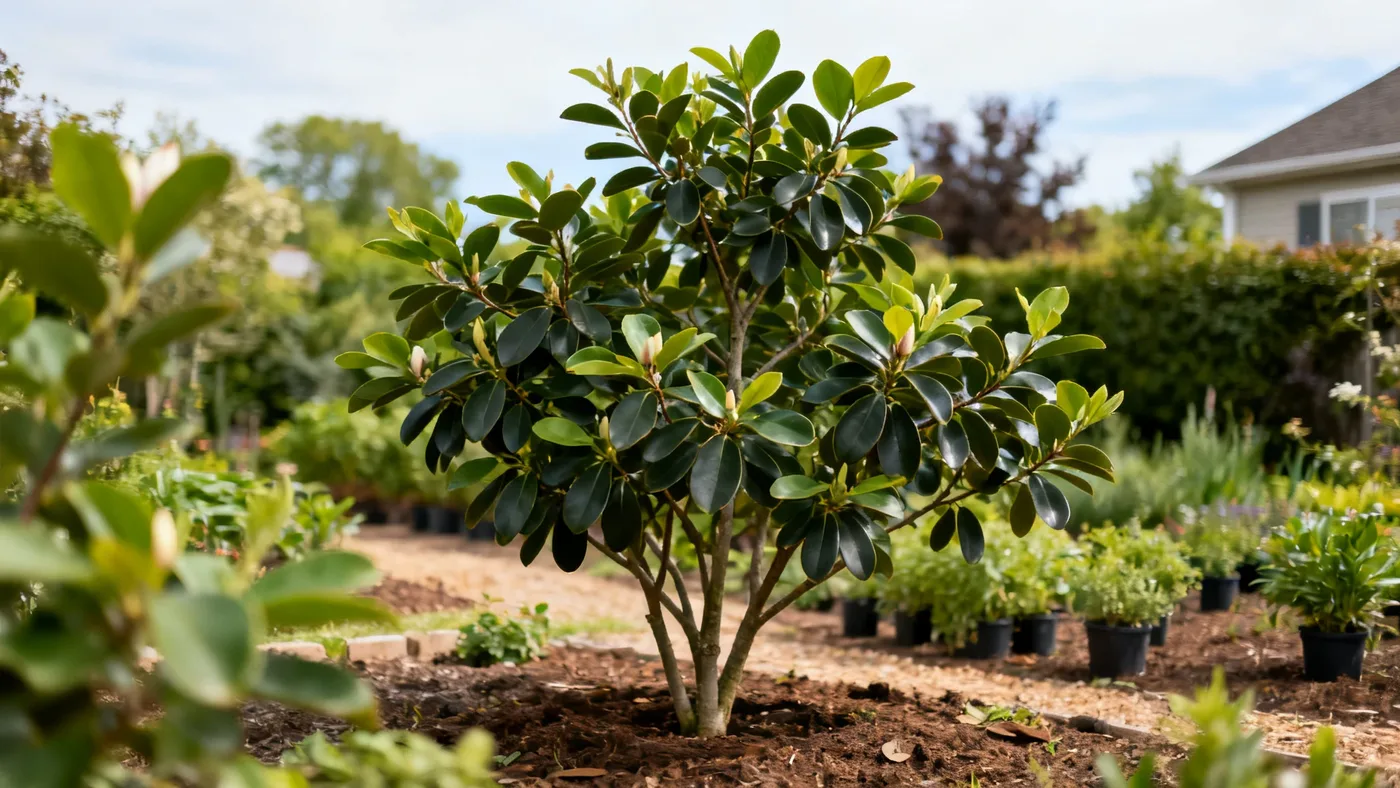 Core guide
How Big Does Jane Magnolia Get and How Fast Does It Grow?
How big does Jane Magnolia get? Complete FAQ on Jane Magnolia size, mature height (10-15 ft), growth rate (1 ft/year), and spacing for home
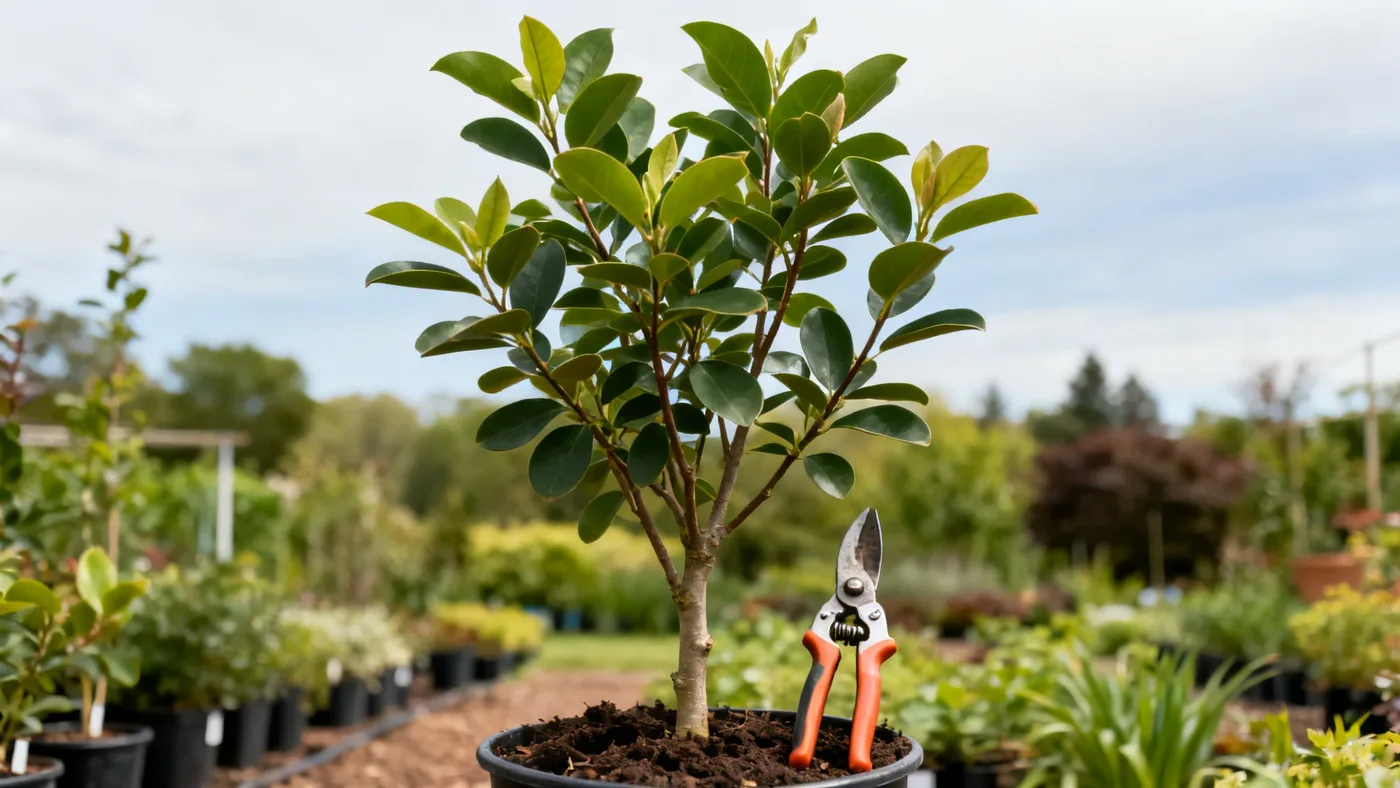 Core guide
How and When to Prune Jane Magnolia for Best Shape
Prune Jane Magnolia right after spring blooms for best results. Minimal pruning keeps this shrub naturally beautiful.
 Core guide
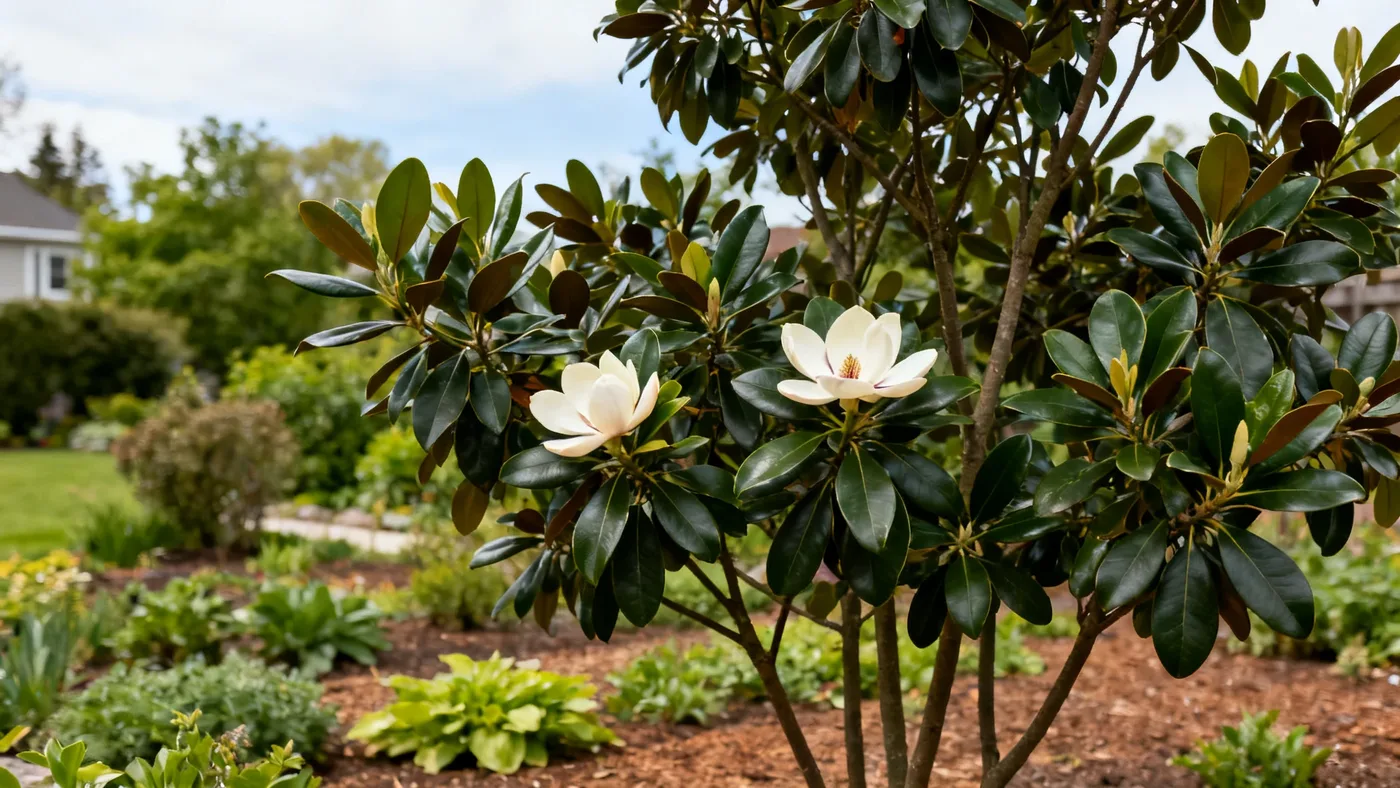
7 Common Jane Magnolia Problems and How to Fix Them
Solve jane magnolia problems: late frost, chlorosis, pests, diseases, and more. Quick fixes for leaf damage, poor flowering, and seasonal is
 Core guide
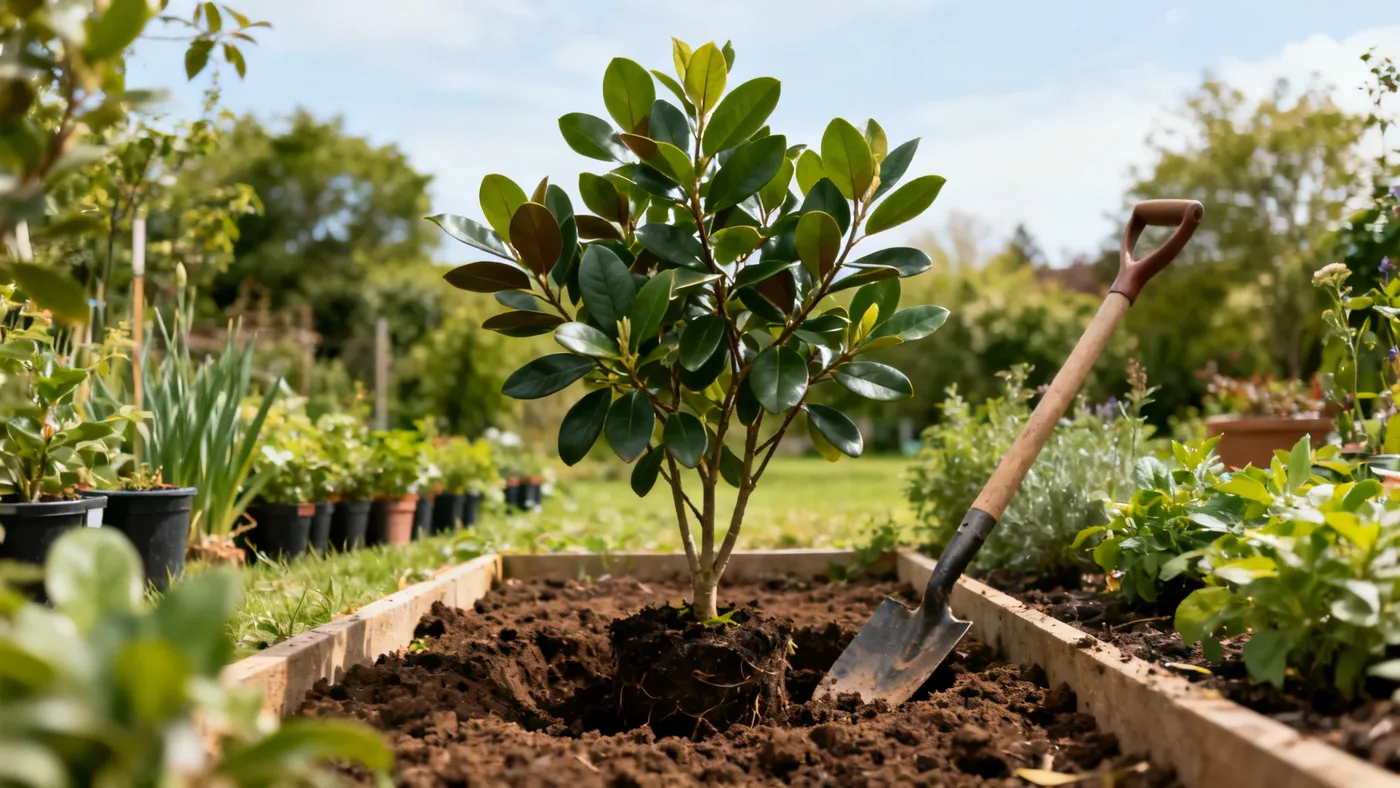
Landscape Ideas for Jane Magnolia and Companion Plants
7 landscape ideas for Jane Magnolia and companion plants: specimen trees, borders, foundation plantings, shade combinations, and small space
Jane Magnolia questions
Why is it called 'Jane' Magnolia?
It is one of eight cultivars in the U.S. National Arboretum's 'Little Girl' hybrid series, each named after a woman connected to the breeding program.
Does Jane Magnolia bloom more than once a year?
It typically has one main flush in mid-to-late spring, with occasional light, sporadic reblooming through summer.
How big does Jane Magnolia get?
It generally stays a compact 10-15 feet tall and 8-12 feet wide, making it a good fit for smaller landscapes compared to larger magnolia species.
Is Jane Magnolia toxic to pets?
No, magnolias are not known to be toxic to cats, dogs, or people.
Does Jane Magnolia need special soil?
It prefers moist, well-drained, slightly acidic soil rich in organic matter, but it adapts reasonably well to average garden soil as long as drainage is adequate.