The Complete Jane Magnolia Care Guide for Every Season
Key Takeaways
- Jane Magnolia thrives in zones 4-8 with full sun to part shade exposure
- Plant in early spring or early fall in moist, well-drained, slightly acidic soil
- Mature size: 10-15 feet tall and 8-12 feet wide, reaching full size in 10-15 years
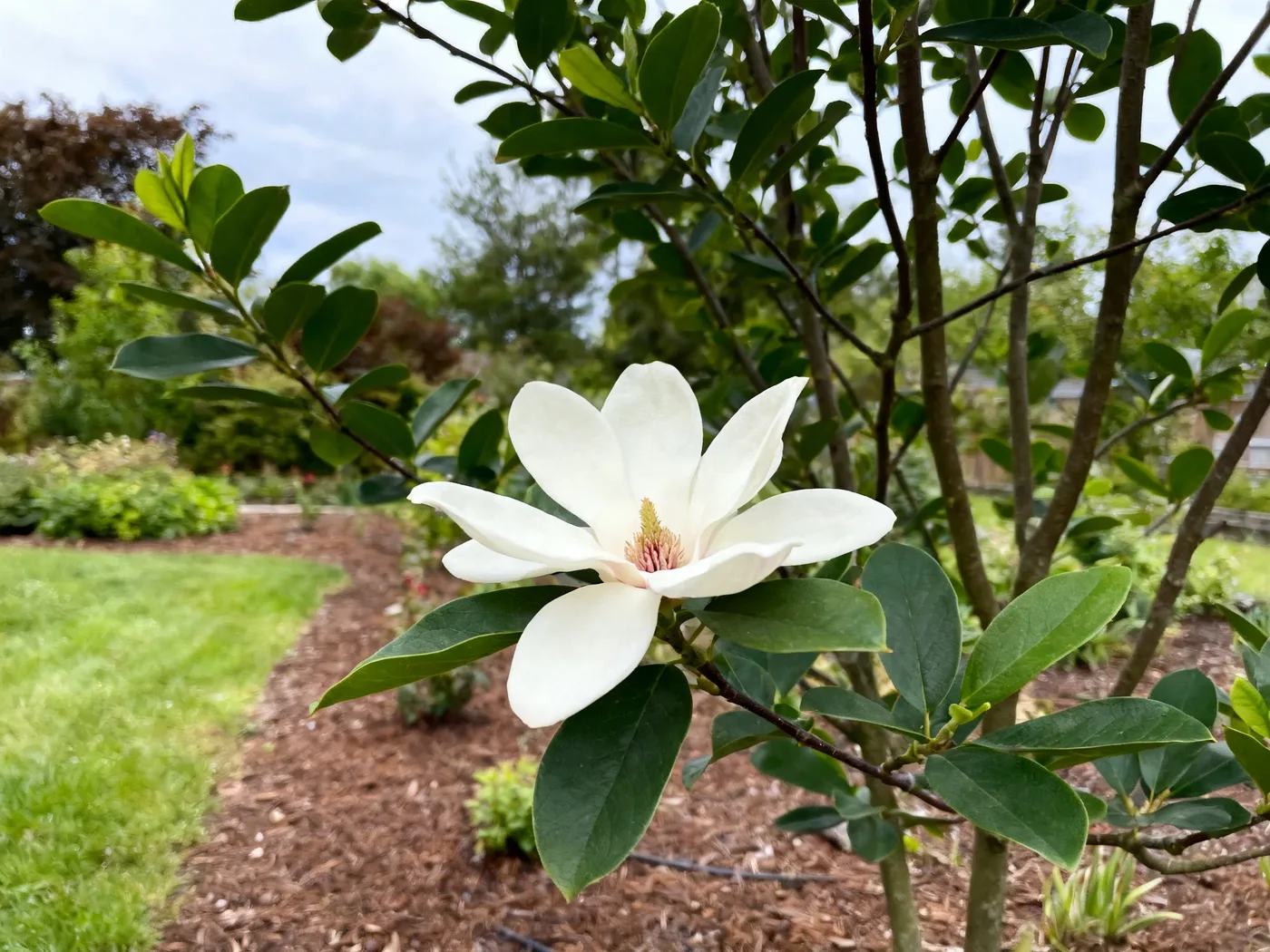
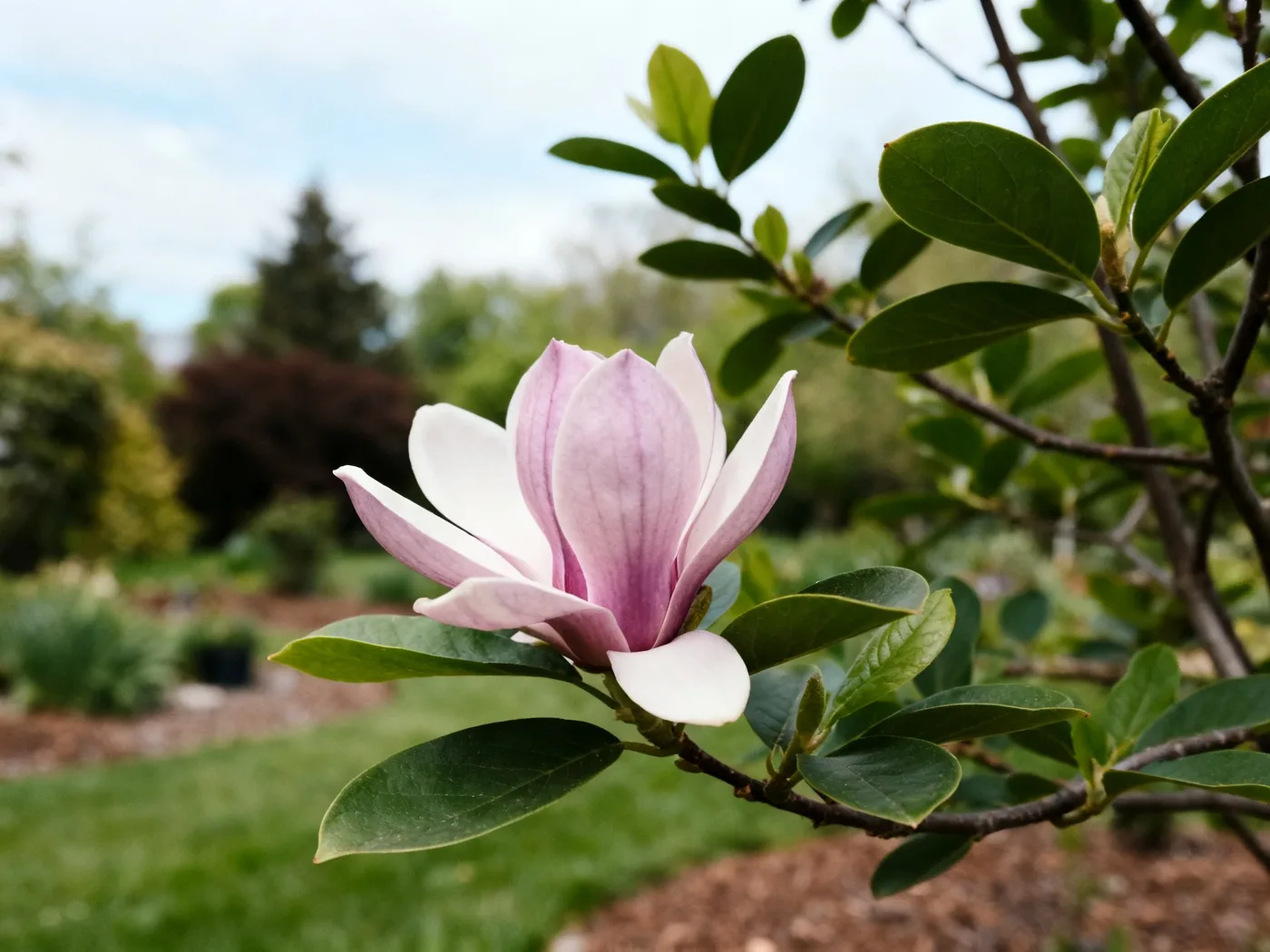
- Blooms mid-to-late spring with reddish-purple exterior flowers and white to pale pink interiors
- Minimal pruning needed; if required, prune immediately after flowering
- Light annual feeding with acid-forming fertilizer supports steady growth
Quick Navigation
- Site Selection and Planting
- Seasonal Care Calendar
- Watering and Soil Management
- Pruning and Shaping
- Pests, Diseases, and Common Problems
- Companion Planting and Landscape Use
- Quick Reference Checklist
Understanding Jane Magnolia: What You're Growing
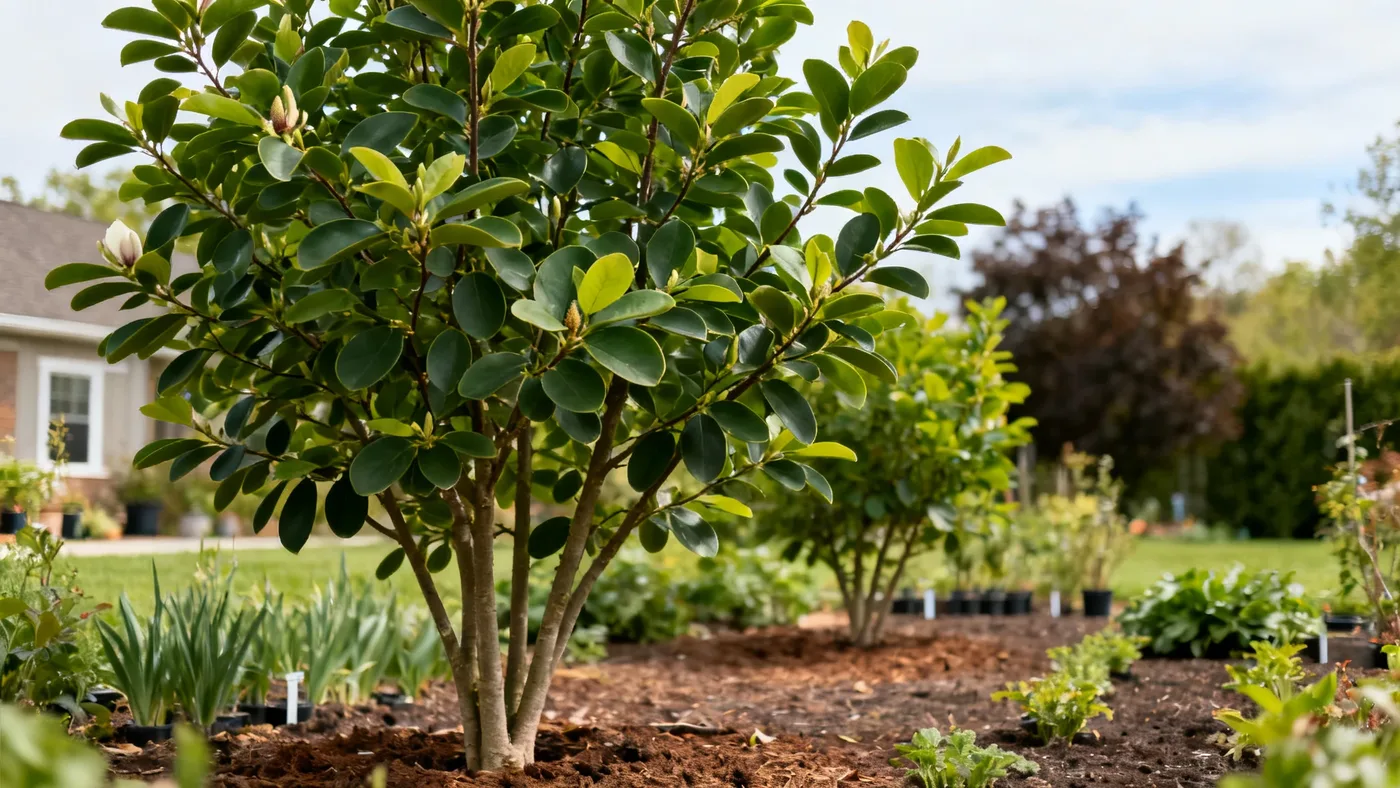
Jane Magnolia (Magnolia 'Jane') is a deciduous hybrid shrub, often grown as a multi-stemmed small tree, bred at the U.S. National Arboretum. It inherits the late-spring bloom timing of its parents (Magnolia liliiflora and Magnolia stellata) with flowers that open after late frosts typically pass in cooler climates. The reddish-purple to purple-pink exterior petals give way to white or pale pink and lavender interiors, releasing a mild, sweet fragrance.
This is a slow to moderate grower, typically adding about 1 foot per year. Most nursery-grown specimens flower within 1 to 3 years of planting and reach full mature size in roughly 10 to 15 years, with a typical lifespan of 50 years or more when sited well.
Site Selection and Planting
Choosing the Right Location
Jane Magnolia performs best in full sun, which promotes the densest form and most abundant flowering. Part shade is acceptable in hotter regions, but flowering will be reduced if light drops below 4 to 6 hours daily. Avoid planting in deep shade or beneath the dappled shade of mature trees, where competition for water and nutrients becomes a concern.
Zone hardiness ranges from 4 to 8. If you're at the northern edge of zone 4, choose a site sheltered from harsh winter winds to protect flower buds and young growth. Conversely, in zones 7 and 8, afternoon shade becomes more valuable during the hottest summers.
Soil Preparation
Jane Magnolia prefers moist, well-drained, humus-rich soil with a slightly acidic to neutral pH of 5.5 to 6.5. If your native soil is heavy clay, amend with 2 to 3 inches of compost or aged bark mulch worked into the top 8 to 12 inches before planting. The goal is a loam that retains moisture without waterlogging roots.
If your soil tests above pH 6.5 or is alkaline, Jane Magnolia may develop chlorosis (yellowing leaves with green veins). In such cases, apply a soil acidifier at planting time and again in early spring, or select a site where drainage naturally favors a more acidic profile.
Planting Steps
Plant Jane Magnolia in early spring or early fall to give roots time to establish before summer heat or winter cold. Nursery-grown plants typically arrive in quart or #1 containers.
- Dig a hole 1.5 times the width of the root ball and equally deep.
- Gently loosen the root ball if roots are bound; do not tear them.
- Place the plant in the hole at the same depth it was growing in the container (top of root ball level with the ground).
- Backfill with native soil mixed with one part compost by volume.
- Water deeply to settle soil and eliminate air pockets.
- Apply 2 inches of mulch (wood chips or shredded bark) around the base, keeping mulch 3 inches away from the stem.
Space multiple plants 10 to 15 feet apart if planting Jane Magnolia as a screen or hedge.
Seasonal Care Calendar
| Season | Tasks |
|---|---|
| Early Spring | Apply light, balanced, slow-release fertilizer formulated for trees/shrubs (acid-forming). Monitor soil moisture as new growth emerges. Watch for late frost damage to open flowers in zone 4-5. |
| Mid-to-Late Spring (Bloom) | Jane Magnolia flowers mid-to-late spring. Enjoy the blooms. If pruning is needed for shape or size control, prune immediately after blooming ends (buds for next year's flowers set on old wood shortly after bloom). |
| Early Summer | Maintain consistent soil moisture during dry spells. Check for spider mites or scale insects under leaves if weather turns hot and dry. A light rebloom is possible in summer; deadheading spent flowers is optional. |
| Late Summer to Fall | Reduce supplemental watering as days shorten and temperatures cool (unless drought conditions persist). Foliage turns an undistinguished muted bronze-yellow. Fall color is not a standout feature of this species. |
| Winter | Prune only if there is storm damage or dead wood. Avoid pruning healthy wood in late fall or winter; the fuzzy flower buds visible on bare branches are your bloom promise for spring. Mulch mature plants only if temperatures drop below zone 4 minimums. |
Watering and Soil Management
Watering Frequency and Depth
Jane Magnolia is not drought tolerant once established. It requires consistent moisture, particularly during the first two growing seasons after planting. Water deeply at least once weekly in the first year, providing 1 to 1.5 inches of water per week (including rainfall). After establishment, reduce to supplemental watering only during drought spells lasting more than 7 to 10 days without rain.
In zones 7 and 8, summer heat can stress plants if soil dries out. Use a soil moisture probe or simply check the top 2 inches of soil by hand. If it feels dry to the touch, it's time to water. Overhead watering in early morning is acceptable, but drip irrigation or soaker hoses are preferable because they reduce fungal leaf spot risk and target water directly to the root zone.
Soil Amendments and Mulching
Apply 2 to 3 inches of organic mulch (wood chips, shredded bark, or compost) annually in early spring. Mulch moderates soil temperature, reduces weeds, and gradually improves soil structure as it breaks down. Do not pile mulch against the stem; maintain a 3-inch buffer to prevent collar rot.
Every 2 to 3 years, work a 1-inch layer of aged compost into the soil surface under the drip line. This maintains soil humus, which Jane Magnolia prefers, and supports the population of beneficial soil microbes.
Pruning and Shaping
When and How to Prune
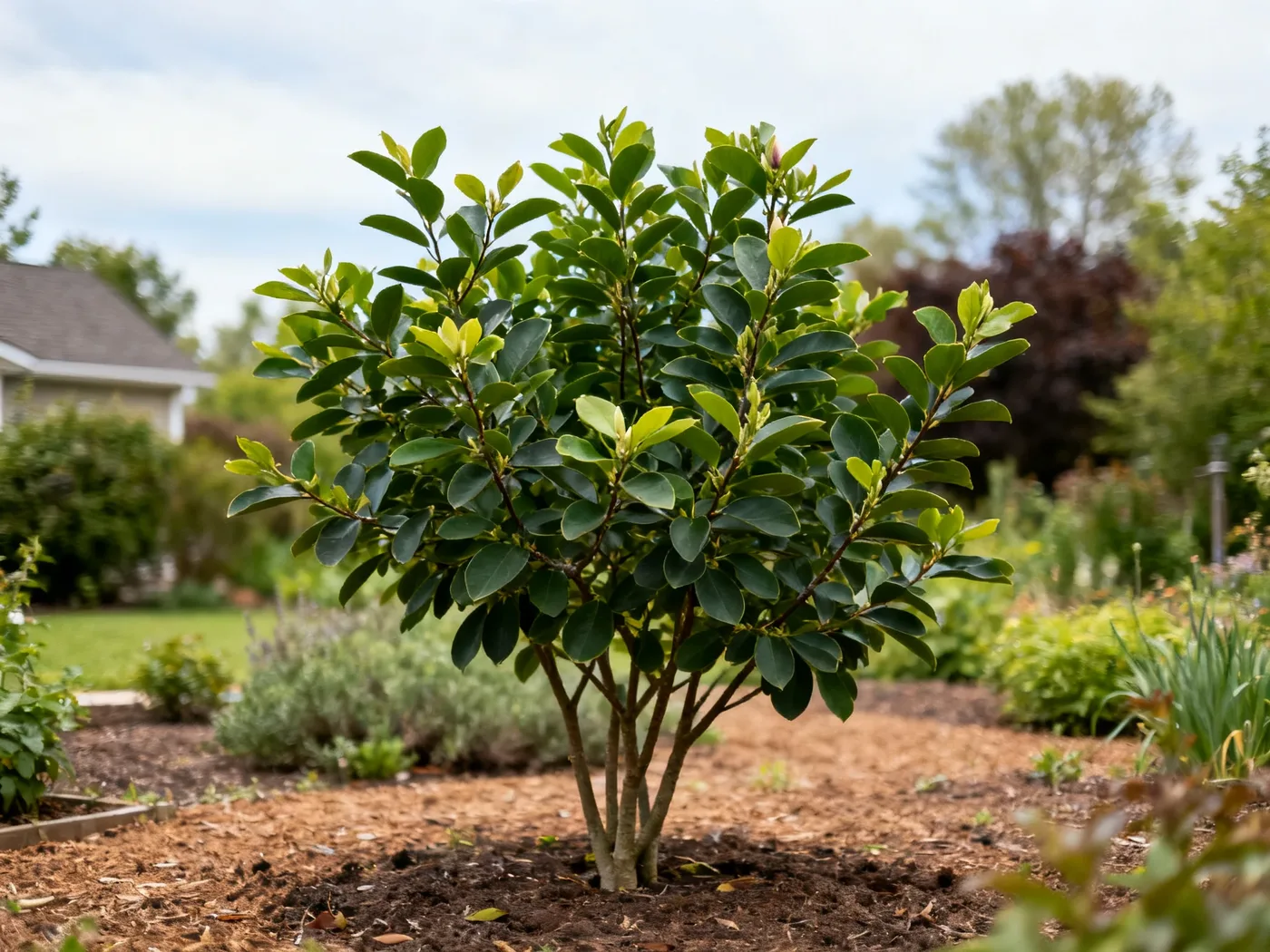
Minimal pruning is needed. Jane Magnolia naturally develops an attractive form, either as a multi-stemmed shrub or a small single-trunk tree. If you wish to shape the plant for size control or density, prune only immediately after flowering ends in late spring. This is critical because buds for next year's flowers form on old wood (current season's branches) very soon after bloom.
Pruning in summer, fall, or winter removes next year's flower buds and will result in fewer or no blooms the following spring.
Pruning Technique
Use sharp, clean pruners or a pruning saw. Make cuts just above an outward-facing bud or leaf node, angling the cut away from the bud. Remove any crossing branches, dead wood, or branches growing inward toward the center of the plant. If the plant has become leggy or overgrown, thin out one-third of the oldest stems at ground level, spreading the work over two years to maintain the plant's aesthetic and flowering capability.
Pests, Diseases, and Common Problems
Pests
Scale insects are the most common pest on Jane Magnolia, appearing as tiny, flat, brownish bumps on stems and the undersides of leaves. Check new growth in mid-spring. If scale is present, spray with horticultural oil in early summer when crawlers are active, or in late winter when dormant oil can coat overwintering adults.
Magnolia weevils are occasional and regional; they chew notches in leaves. Infestations are typically light and rarely require treatment beyond removing heavily damaged leaves.
Diseases
Leaf spot fungi cause small, dark spots or patches on foliage, particularly in cool, wet springs. Improve air circulation by pruning interior crossing branches and avoiding overhead watering late in the day. Remove and discard heavily spotted leaves. Fungal cankers occasionally appear on stems but are usually minor and self-limiting in healthy plants.
Common Problems and Solutions
| Problem | Likely Cause | Solution |
|---|---|---|
| Late frost damage to open flowers | Unexpected hard freeze during or after bloom | Choose a sheltered microclimate in zone 4. Jane's late bloom timing reduces risk compared to earlier-blooming magnolias, but cold snaps still happen. No treatment needed; flowers will drop and a light rebloom may follow in summer. |
| Yellowing leaves with green veins (chlorosis) | Soil pH too high (above 6.5) or high alkalinity | Apply a soil acidifier (aluminum sulfate or sulfur) in early spring, following package directions. Mulch heavily with compost. Test soil; if pH remains high, consider relocating the plant to a more acidic site. |
| Flower buds damaged or no blooms | Strong wind, pruning at the wrong time, or late freeze | Plant in a sheltered location. Never prune outside the post-bloom window. In exposed sites, provide a windbreak. Buds are fragile; late hard freezes can kill flower primordia. |
| Poor growth or sparse flowering | Insufficient light, dry soil, or heavy clay | Ensure at least 4-6 hours of direct sun. Maintain consistent soil moisture, especially in the first 2-3 years. Amend heavy soil with compost and mulch to improve drainage and aeration. |
Companion Planting and Landscape Use
Jane Magnolia serves beautifully as a specimen tree or shrub, drawing attention in spring bloom. It also works well as a foundation planting, a border element in mixed shrub beds, or as part of a small-space or urban garden accent. Its moderate size and multi-stemmed growth habit make it ideal for narrow side yards or courtyards.
Plant Jane Magnolia alongside plants that share its preference for moist, well-drained, slightly acidic soil. Excellent companions include:
- Azaleas and rhododendrons (coordinating late-season color; complementary care needs)
- Hostas (shade-tolerant understory; glossy foliage contrast)
- Daffodils and other spring bulbs (early color before Jane blooms; bulbs naturalize beneath)
Avoid pairing Jane Magnolia with plants that demand alkaline soil (such as lilac or clematis) or aggressive root systems that compete for moisture and nutrients.
Fertilizing and Long-Term Nutrition
Jane Magnolia is a moderate feeder. Once established, apply a light annual feeding of balanced, slow-release fertilizer (such as 10-10-10 or similar) formulated for trees and shrubs in early spring as new growth breaks. Acid-forming fertilizers are beneficial if your soil pH trends toward neutral or slightly alkaline.
Avoid high-nitrogen fertilizers, which promote excessive leafy growth at the expense of flowering. If you have amended soil with compost annually, additional fertilizer may not be necessary; let soil testing guide your approach. Heavy feeding or late-season nitrogen can also reduce cold hardiness in northern zones.
Quick Reference Checklist
| Care Task | Timing | Notes |
|---|---|---|
| Planting | Early spring or early fall | Spacing: 10-15 ft apart. Dig hole 1.5x root ball width. |
| Watering (Year 1) | Weekly, deeply | 1-1.5 inches per week. Drip irrigation preferred. |
| Watering (Established) | During dry spells (7-10+ days no rain) | Not drought tolerant; maintain consistent moisture. |
| Fertilizing | Early spring, annually | Balanced, slow-release, acid-forming fertilizer for trees/shrubs. |
| Mulching | Early spring (annual refresh) | 2-3 inches organic mulch; keep 3 inches away from stem. |
| Pruning (if needed) | Immediately after bloom (late spring) | Never prune in summer, fall, or winter. Buds set on old wood post-bloom. |
| Pest/Disease Check | Mid-spring (scale), cool wet springs (leaf spot) | Monitor undersides of leaves. Improve air circulation to prevent fungal issues. |
| Soil Amendment | Every 2-3 years, early spring | 1 inch aged compost worked into soil surface. Target pH 5.5-6.5. |
Growing Jane Magnolia successfully means matching its preferences for consistent moisture, acidic soil, and full sun while respecting its post-bloom pruning window. With thoughtful siting and minimal, timely maintenance, this hybrid magnolia rewards you with decades of graceful spring blooms and a form that fits many landscape styles. Start with a healthy nursery specimen in early spring or fall, establish a regular watering rhythm during the first two years, and you'll enjoy this reliable performer season after season.