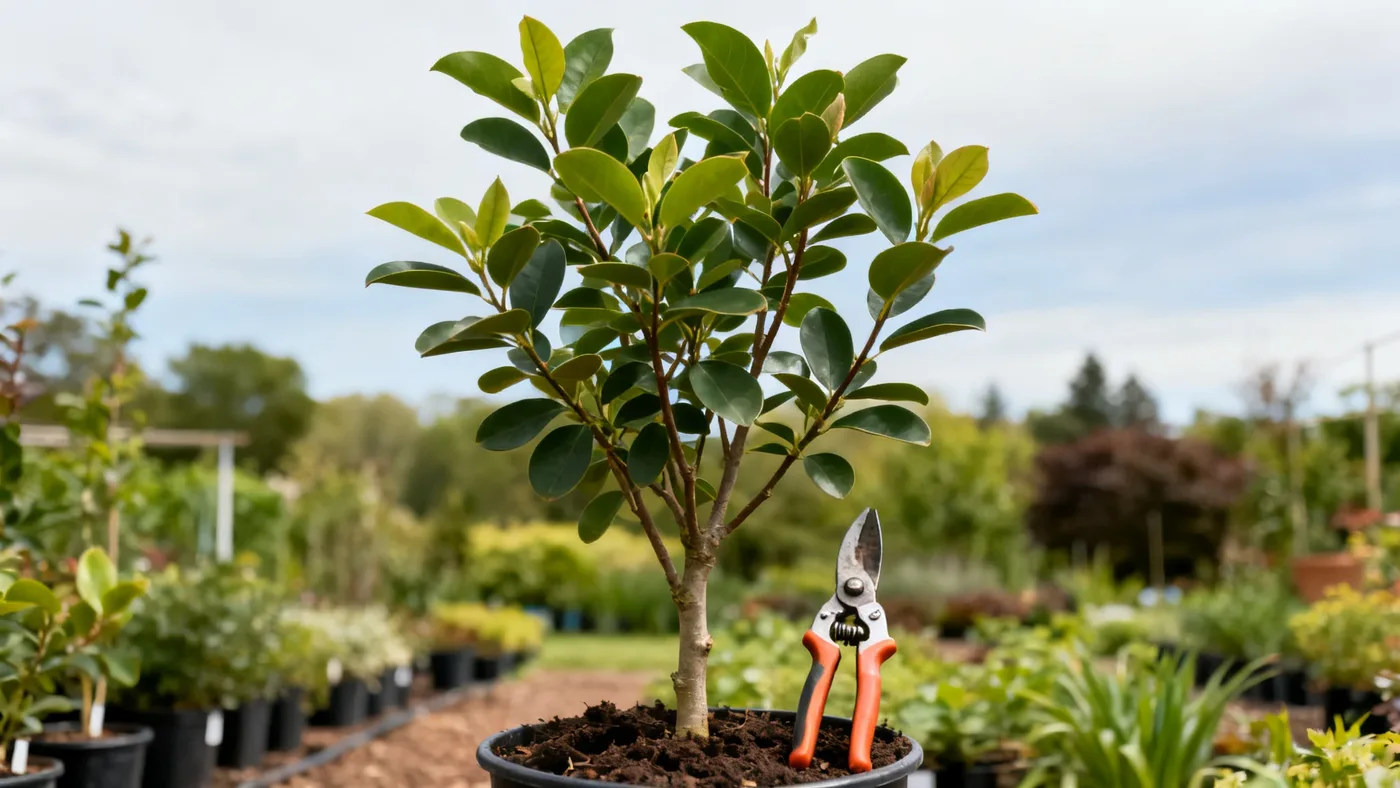
How and When to Prune Jane Magnolia for Best Shape
Jane Magnolia grows into a naturally attractive form with minimal intervention, which is one reason gardeners love this deciduous shrub. Unlike some ornamental plants that demand regular shaping, Jane Magnolia simply needs a light touch at the right moment. If you do choose to prune your Jane Magnolia, the timing and approach matter far more than the intensity. This guide walks you through the right way to do it, and when.
When to Prune Jane Magnolia
The timing rule for Jane Magnolia pruning is straightforward: prune right after flowering ends. Your plant's flower buds for next year begin to set on old wood soon after this year's bloom finishes. If you prune too late in the growing season, you risk cutting off next spring's flowers.
Jane Magnolia blooms in mid-to-late spring, typically around April through early May depending on your location and zone (the plant is hardy in zones 4-8). Prune within two to three weeks of the last bloom fading. This window usually falls in late May or early June in most regions. Pruning at this moment lets you shape the plant without sacrificing next year's display.
Avoid pruning in late summer or fall. Any cuts made after early August can encourage tender new growth that may not survive winter cold, especially in zones 4-5. Winter pruning is also risky because you will cut off the attractive fuzzy flower buds and smooth gray bark that give the bare branches their winter appeal.
Why Jane Magnolia Needs Minimal Pruning
Jane Magnolia is bred to grow into a compact, multi-stemmed shrub or small tree form naturally. With proper siting in full sun to part shade, the plant fills out densely without regular cutting. Most gardeners find they need to prune only for three reasons: to remove dead or damaged wood, to maintain a specific size or shape for the landscape, or to thin overcrowded branches for better air circulation.
If your Jane Magnolia is growing where it has room to reach its mature size of 10-15 feet tall and 8-12 feet wide, pruning may not be necessary at all. The plant grows slowly at roughly 1 foot per year, giving you years before it outgrows its space.
Materials You Will Need
Pruning Jane Magnolia does not require special equipment. Keep these tools clean and sharp before you start:
- Hand pruners (bypass pruners work best for stems up to about three-quarters inch diameter)
- Loppers for thicker branches (one-half to one and one-half inch diameter)
- A pruning saw for any wood thicker than two inches
- Rubbing alcohol or a disinfectant spray to wipe blades between cuts
- Work gloves to protect your hands
- Safety glasses (optional but wise when working overhead)
Do not use hedge shears on Jane Magnolia. They shred the branch tips and create ragged cuts that are slow to heal. Clean your tools thoroughly if you have been pruning other plants, especially if you suspect any disease was present.
How to Prune Jane Magnolia: Step-by-Step
Step 1: Assess the Plant and Set Your Goal
Walk around your Jane Magnolia and study its current shape. Decide whether you are removing dead wood, thinning for light penetration, or reducing overall size. Mark any obviously dead or diseased branches (these will be darker or brittle). Most healthy Jane Magnolias need only light thinning, not heavy cutting. If your goal is to reduce height or spread, plan to remove no more than one-third of the plant's total growth in a single year.
Step 2: Remove Dead, Diseased, or Damaged Wood First
Start by cutting away any branches that are clearly dead (gray and brittle), diseased (with cankers, lesions, or unusual discoloration), or physically damaged (broken by snow or storms). Make these cuts flush to the branch collar (the slight swelling where a branch meets the main stem). Cut at a slight angle, sloping away from the main branch, so water runs off cleanly.
Step 3: Thin Crossing or Rubbing Branches
Look for branches that cross over each other or rub together. These create wounds and reduce air circulation inside the canopy. Choose the weaker or less attractively positioned branch and remove it entirely at its base. This is especially important on multi-stemmed plants where several stems emerge from the ground. Thinning one or two stems allows light to reach the interior.
Step 4: Remove Low-Hanging or Inward-Growing Branches
If you want to walk under your Jane Magnolia or simply prefer a cleaner profile, carefully remove the lowest branches. Make the cut as close to the base as possible without damaging the main stem. Similarly, thin out any branches that grow inward toward the center of the plant, as these do not contribute to the overall shape and create dense internal growth.
Step 5: Shape for Your Space (Optional)
If you are pruning to reduce height or spread, make cuts above an outward-facing bud or branch. The plant will naturally direct new growth from that point. Jane Magnolia responds moderately well to this kind of shaping. Avoid cutting branches back to stubs in the interior of the canopy, as this creates an unnatural appearance and the cut wood will not hide easily.
For a more tree-like form, remove lower side branches from the main stems to create a taller canopy. For a denser shrub, leave the lower branches intact and only thin the top layers. There is no single "right" shape; the form should suit your landscape goals.
Step 6: Step Back and Assess
Pruning Jane Magnolia is cumulative and visible. After each section, step back and look at the plant from a distance. This prevents over-pruning in one area. Remember that the plant will leaf out fully once the weather warms, softening any lines you cut now.
Tips for Success
Make clean cuts with sharp tools. Ragged cuts from dull pruners attract disease and heal slowly. Magnolias prefer to compartmentalize their own wounds, so do not apply wound dressing or pruning sealer unless the tree is very young or stressed.
Prune on a dry day if possible. Wet leaves and branches make the work slippery and increase the risk of spreading disease through the canopy.
If you are removing a thick branch (more than one and one-half inches in diameter), use the three-cut method to avoid tearing bark. Make the first cut on the underside of the branch about six inches from the main stem, cutting halfway through. Make the second cut on the top side, a few inches farther out, cutting all the way through (the branch will fall away). Make the third cut just outside the branch collar, removing the stub.
For plants in colder zones (4 and 5), be more conservative. Prune only after you are certain all frost danger has passed and the plant is in active growth. A late frost following a pruning cut can damage the fresh wound.
Common Mistakes to Avoid
Do not shear Jane Magnolia into a ball or hedge shape. This plant looks best when its natural branching structure is visible. Heavy shearing creates a dense outer shell that hides the attractive bark and branch form.
Do not prune in fall or winter. This is the number one mistake gardeners make. Cutting in November or December removes next spring's flower buds and tender new growth that cannot survive the cold.
Do not remove more than one-third of the plant's growth in a single season. Jane Magnolia recovers slowly from heavy pruning because it grows at a moderate pace. Heavy cuts can leave the plant looking sparse and may delay flowering for a year or two.
Do not neglect disinfecting your tools between cuts if you suspect disease. Magnolias are generally healthy, but scale insects, leaf spot fungi, and magnolia weevils can occasionally be problems in some regions. Clean tools prevent spreading these issues from one branch to another.
Expected Results
After pruning, your Jane Magnolia may look noticeably lighter in density for a few weeks. Do not be alarmed. As the plant leafs out and pushes new growth, the canopy will fill in. You may notice the plant focuses more energy on producing leaves than flowers the following spring if you pruned heavily, but this is temporary.
A well-timed, moderate pruning should have no negative effect on next year's bloom. In fact, thinning can allow better air circulation and light penetration, which often leads to a denser, fuller display of flowers in spring.
Growth rate remains consistent at roughly 1 foot per year for Jane Magnolia, so even after pruning, the plant will return to its natural size within a few years. This is why minimal pruning works well for this species: the plant does most of the shaping work for you.
For more complete care advice year-round, see our complete Jane Magnolia care guide.
Quick Reference: Pruning Checklist
| Task | Timing | Notes |
|---|---|---|
| Remove dead/diseased wood | Right after flowering (late May to early June) | Can be done anytime, but post-bloom is optimal |
| Thin crossing branches | Right after flowering | Improves air circulation |
| Remove low-hanging branches (optional) | Right after flowering | Creates walk-under space; do not over-thin |
| Shape for size (optional) | Right after flowering | Remove no more than one-third of growth per year |
| Step back and assess | Throughout pruning session | Prevents over-pruning |
| Avoid fall and winter pruning | September through March | Removes next year's flower buds and winter interest |
| Expect full canopy recovery | By mid-summer | Light look immediately after pruning is normal |