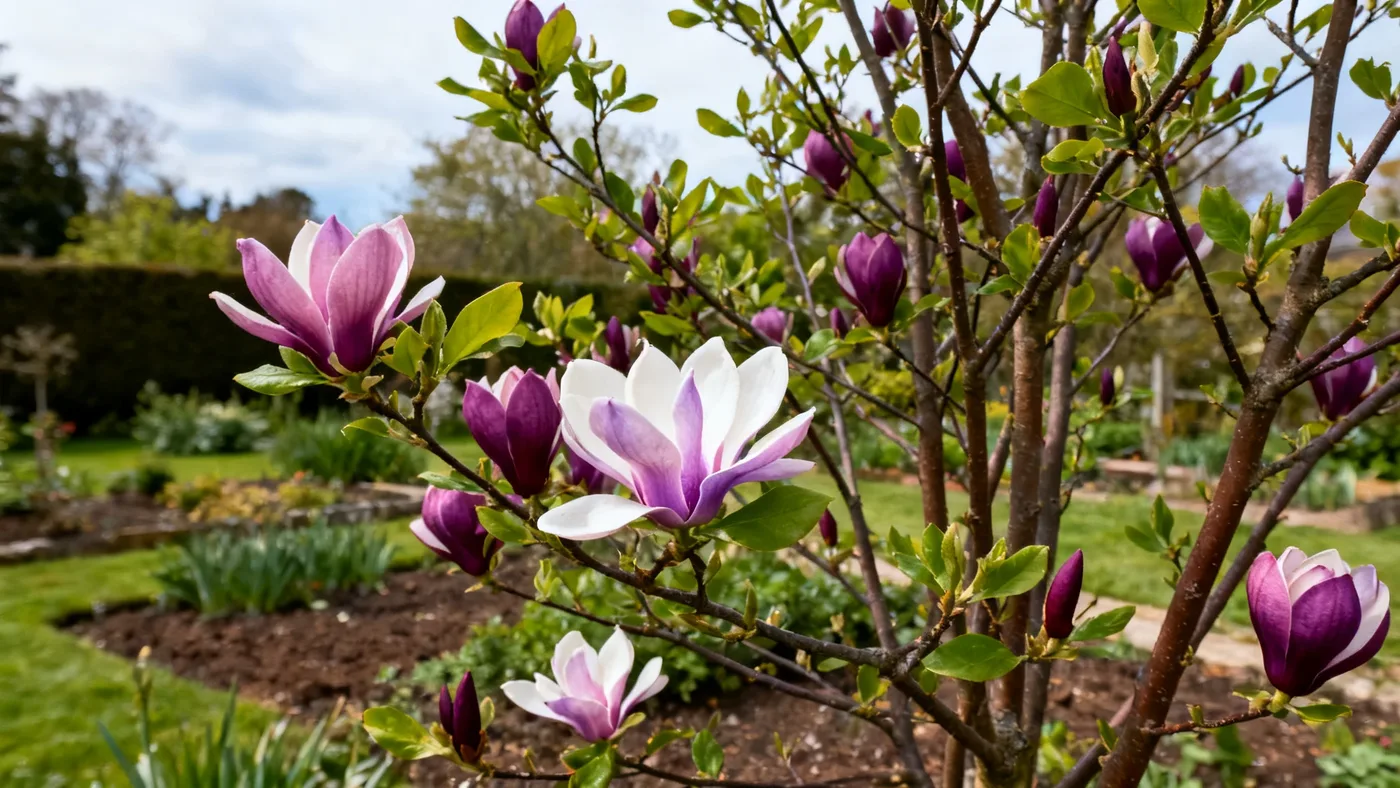
Jane Magnolia Bloom Time: Flower Color and How Long It Lasts
If you're planning to add a Jane Magnolia to your garden or already have one waiting for spring, understanding its bloom pattern is key to getting the most from this stunning shrub. Jane Magnolia (Magnolia 'Jane') offers a predictable, rewarding show of reddish-purple flowers each spring, along with occasional surprise blooms in summer. Whether you're trying to decide if this is the right plant for your garden or aiming to protect an upcoming spring display, this guide covers the exact timing, appearance, and care needed to enjoy Jane Magnolia flowers at their best.
When Does Jane Magnolia Bloom?
Jane Magnolia enters bloom in mid-to-late spring, which is one of its most valuable traits. This later timing compared to other magnolias, such as star magnolia (Magnolia stellata), means Jane sidesteps many of the damaging late frosts that can decimate earlier-blooming cultivars. In most zones, expect flowers to open from mid-April through May, though the exact timing shifts with your climate zone and local weather patterns.
In warmer zones, Jane blooms earlier within that window; in cooler zones, blooms may stretch into late May. The hybrid parentage (Magnolia liliiflora from China and Magnolia stellata from Japan) gives Jane a hardy disposition. It grows reliably in USDA zones 4-8, so whether you're in zone 4's northern reaches or zone 8's warmer gardens, you can count on spring flowers.
To gauge bloom timing in your area, watch the flower buds in winter. Starting in mid-late winter, Jane's branches display fuzzy, prominent flower buds that make an attractive ornamental feature on the bare branches. As temperatures warm and day length increases, these buds swell noticeably. By the time forsythia flowers or daffodils are fading in your garden, Jane Magnolia blooms are likely just opening.
Jane Magnolia Flower Color and Appearance
The flowers of Jane Magnolia are its defining feature. Each blossom displays a striking two-toned color: reddish-purple to purple-pink on the outside of the petals, transitioning to white or pale pink and lavender on the inner surfaces. This color contrast is especially striking when blossoms are viewed against a clear sky or lit from behind by morning sun.
Flowers emerge upright on the branches before new leaves fully develop, giving an unobstructed view of the entire floral display. The blooms carry a mild, sweet fragrance that is pleasant without being overpowering. A single mature plant in bloom can perfume a nearby seating area on a calm day.
The size and abundance of bloom is proportional to plant maturity. A young nursery specimen (often sold in a quart or #1 container) may produce a modest number of flowers in its first season after planting. A 5-to-10-year-old established plant, by contrast, will be generously covered in blooms. At full maturity (10-15 feet tall), a healthy Jane Magnolia can carry hundreds of flowers in a good year.
How Long Do Jane Magnolia Flowers Last?
Jane Magnolia blooms persist for approximately 2 to 3 weeks from peak opening, though this varies considerably with temperature. Cooler springs extend bloom duration; warm spells shorten it. Once flowers fully open and are pollinated, they gradually fade. The reddish-purple tones pale to lighter shades, and petals eventually drop, creating a colorful carpet beneath the plant.
Weather plays a major role in bloom longevity. A late freeze or hard frost can blacken open flowers overnight, cutting the display short by days or weeks. High wind can bruise or strip delicate petals, especially as they age. Gentle spring weather, by contrast, stretches the bloom season considerably, allowing you to enjoy flowers longer.
One of the prime advantages of Jane Magnolia's mid-to-late bloom timing is that in many seasons, it avoids the worst late frosts entirely. However, unpredictable spring weather means late freezes do occasionally catch open buds or early flowers. This risk is greater in zones 4-6 and occasional in zone 7, but it's neither inevitable nor impossible to manage.
Sporadic Summer Rebloom: An Unexpected Bonus
Jane Magnolia occasionally produces sporadic light rebloom in mid-to-late summer. This is unexpected but not rare. A modest number of additional flowers may appear June through August, especially on a plant in good health and with consistent moisture through the growing season. These summer blooms are usually fewer and smaller than the spring flush, but they extend the flowering season and add genuine charm to mid-summer gardens.
Rebloom is not guaranteed every year and depends on weather, plant vigor, and growing conditions. A well-watered plant in a full-sun location with balanced nutrition is more likely to rebloom than one under stress. If rebloom occurs on your Jane Magnolia, enjoy it as a bonus rather than something to expect annually.
Protecting Flowers from Late Frost and Wind
Late spring frost is the primary threat to Jane Magnolia flowers, even with mid-late bloom timing. If a freeze warning is issued after your magnolia has leafed out or begun to flower, consider protective measures. Frost cloth or burlap draped loosely over the plant can trap warmth and offer several degrees of frost protection. Remove it as soon as the freeze risk passes to prevent heat buildup during the day.
Wind damage is easier to prevent through thoughtful siting. Plant Jane Magnolia where it has shelter from strong prevailing winds, especially during bloom season. A location near a wall, hedge, or taller trees (not so close as to create shade) offers practical protection. Full sun promotes the densest, most colorful flowering, but light afternoon shade in hot climates is acceptable.
Avoid pruning or heavy fertilizing in late winter. Both can stimulate tender new growth that is easily frosted. Once buds begin to swell visibly in late winter, leave the plant alone until after bloom concludes. If pruning is needed, do it immediately after flowers fade. Jane Magnolia sets flower buds for the following year on old wood soon after the current bloom finishes, so timing matters.
Seasonal Care to Support Strong, Consistent Blooms
Consistent moisture throughout the growing season is one of the most direct ways to support reliable bloom. Jane Magnolia prefers moist, well-drained, humus-rich soil with a slightly acidic pH (around 5.5 to 6.5). During dry spells in late spring or summer, water deeply rather than lightly; this encourages deeper rooting and plant resilience. A 2-to-3-inch layer of mulch over the root zone helps retain soil moisture and moderate temperature extremes.
In early spring, apply a light feeding of a balanced, slow-release, acid-forming fertilizer formulated for trees and shrubs. This provides nutrients as growth resumes without overstimulating tender spring growth. Over-fertilizing can actually reduce bloom intensity, so restraint is better than excess.
Jane Magnolia is a slow-to-moderate grower, adding roughly 1 foot per year. This means young plants take time to reach blooming maturity. Nursery-grown plants can flower within 1 to 3 years after planting, but expect 10 to 15 years for a plant to approach its full mature size (10-15 feet tall and 8-12 feet wide) and maximum bloom potential.
Companion Plantings for Extended Spring Color
Plant spring bulbs and shade-tolerant shrubs around your Jane Magnolia to extend the spring color display. Daffodils and other spring bulbs bloom at roughly the same time and create a cheerful backdrop beneath the magnolia canopy. Azaleas and rhododendrons, which share Jane Magnolia's preference for moist, acidic soil and similar light requirements, bloom within weeks of the magnolia and echo its delicate color palette. Hostas provide handsome summer foliage after spring ephemeral blooms fade.
For related information on year-round care and feeding schedules, consult the complete Jane Magnolia care guide for every season.
Quick Reference: Jane Magnolia Bloom Timeline and Care
| Timeframe | What Happens | Care Actions |
|---|---|---|
| Winter (Dec-Feb) | Fuzzy flower buds visible on bare branches; attractive winter interest | No pruning or fertilizing; observe bud swelling as temps warm |
| Early Spring (Mar-Apr) | Buds swell noticeably; new leaf growth begins | Monitor frost forecasts; prepare frost cloth if freeze warning issued |
| Mid-to-Late Spring (Apr-May) | Reddish-purple flowers open; peak display lasts 2-3 weeks | Avoid pruning; ensure consistent soil moisture; protect from strong wind |
| Late Spring (May-Jun) | Petals drop; new foliage expands fully | Prune if shaping is needed (right after bloom); apply light balanced fertilizer |
| Summer (Jun-Aug) | Dense green foliage; occasional light rebloom possible; growth continues | Water during dry spells; maintain 2-3 inch mulch layer |
| Fall (Sep-Nov) | Foliage may show muted bronze-yellow; buds develop for next spring | Reduce watering as growth slows; avoid fertilizing |