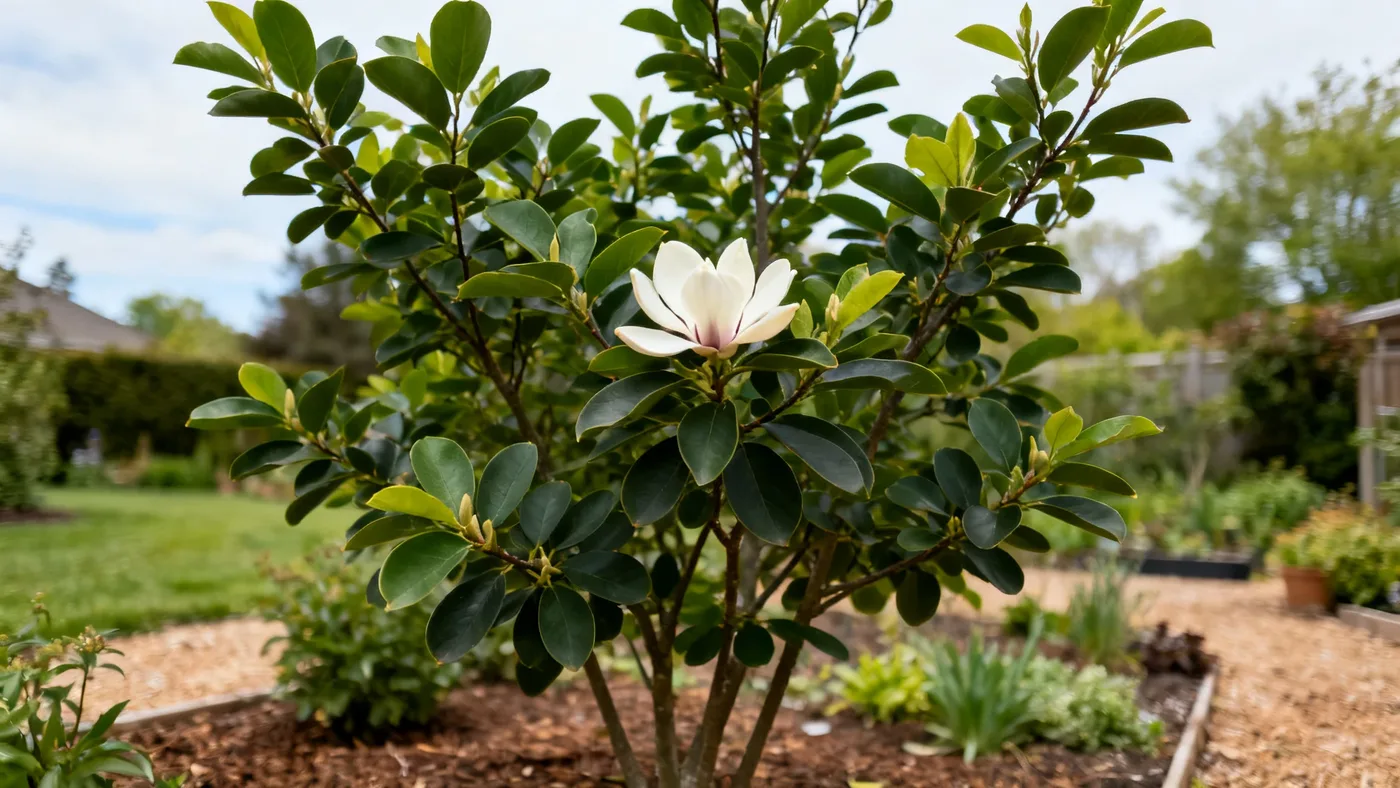
Do You Need to Fertilize Jane Magnolia? A Simple Schedule
Do Jane Magnolias Need Fertilizer?
Jane Magnolia is a hardy, long-lived shrub that can thrive for 50 years or more with minimal fuss. That said, it does benefit from light annual feeding, especially in the first few years after planting or in poor soil. Unlike heavily fed ornamentals, Jane Magnolia prefers modest nutrition, too much fertilizer can actually work against you, encouraging weak, soft growth prone to frost damage.
The key word here is light. This plant evolved from Asian magnolia species that survive in lean conditions. A single, well-timed feeding each spring will support steady growth, deeper green foliage, and reliably vigorous blooming without overdoing it.
Why Light Annual Feeding Makes Sense
Jane Magnolia grows at a slow to moderate pace, adding roughly 1 foot per year until it reaches its mature height of 10 to 15 feet. That measured growth rate means the plant doesn't demand heavy nitrogen. However, it does need consistent access to balanced nutrition to maintain dark green foliage and set abundant flower buds for next spring.
Established plants in rich, humus-based garden soil may skip fertilizer altogether and perform fine. Young trees, plants growing in clay or compacted soil, or specimens that pale or produce fewer flowers benefit most from annual feeding. Soils on the alkaline side (pH above 6.5) can cause chlorosis, a yellowing of leaves between the veins, which light feeding can help counteract when paired with the right fertilizer type.
Best Fertilizer for Jane Magnolia
When fertilizing Jane Magnolia, reach for a balanced, slow-release, acid-forming fertilizer formulated for trees and shrubs. "Balanced" means roughly equal parts nitrogen, phosphorus, and potassium, such as a 10-10-10 or 12-4-8 blend. "Slow-release" matters because it feeds over weeks rather than flooding the plant with nutrients all at once.
Why acid-forming? Jane Magnolia prefers slightly acidic to neutral soil, ideally between pH 5.5 and 6.5. An acid-forming fertilizer gently lowers pH over time if your soil leans neutral or slightly alkaline, creating a more favorable growing environment. Common acid-forming fertilizer products designed for azaleas, rhododendrons, and magnolias work perfectly here.
Avoid quick-release lawn fertilizers (high nitrogen) and anything labeled for acid-loving plants exclusively, which may be too strong. Granular slow-release products are easier to apply evenly than liquids and require less frequent reapplication.
Materials You'll Need
- Balanced, slow-release, acid-forming fertilizer (10-10-10 or similar ratio) formulated for trees and shrubs
- Measuring scoop or cup (for portioning fertilizer)
- Work gloves
- Watering can or hose
- Small garden rake or cultivator (optional, for gently working fertilizer into the soil)
How to Fertilize Jane Magnolia: Step by Step
- Time your application to early spring. Apply fertilizer as soon as the soil is workable, ideally 2-4 weeks before your Jane Magnolia blooms in mid-to-late spring. In zones 4-8, this usually falls between late March and early April. Early timing allows the fertilizer to dissolve and move into the root zone before the plant's peak growth phase.
- Check the package label for application rate. Most balanced tree-and-shrub fertilizers recommend 1 to 2 pounds of product per inch of trunk diameter (measured 4-6 inches above ground level). For example, a 10-year-old Jane Magnolia with a 2-inch trunk diameter would use roughly 2-4 pounds total. Always follow the manufacturer's instructions, as formulations vary.
- Clear away mulch around the base. Rake back any mulch within 2-3 feet of the trunk, creating a bare circle of soil. This prevents fertilizer from sitting on top of mulch, where it cannot reach the roots.
- Scatter the fertilizer evenly over the root zone. Spread the measured fertilizer in a circle around the plant, staying at least 6-12 inches away from the trunk. Extend the circle out to the plant's drip line (the outer edge of the canopy). Avoid piling fertilizer against the bark, which can scorch it. Aim for an even distribution so no spot receives a concentration.
- Water thoroughly after application. Use a gentle spray from your hose to water the area well, delivering at least 1-1.5 inches of water (roughly 30-45 minutes of slow watering). Water activates slow-release fertilizer and carries nutrients into the soil where roots can access them. This step is non-negotiable.
- Replace mulch over the area. Once the water has soaked in, pull mulch back around the plant, keeping it 6-12 inches away from the trunk. Organic mulch (shredded bark, compost) also helps maintain the slightly acidic soil Jane Magnolia prefers.
Tips to Avoid Common Mistakes
Do not fertilize in summer or fall. Late-season feeding encourages tender new growth that frost can damage. Stick to early spring applications only.
Do not over-fertilize. More is not better. Heavy feeding produces lush foliage at the expense of flowers and invites pest and disease pressure. Light annual feeding is all Jane Magnolia needs.
Do not apply fertilizer to dry soil. If the ground is bone-dry, water first, let the soil settle for a day, then apply fertilizer. Fertilizer applied to parched soil can burn roots.
Do not skip the watering step. Granular fertilizer sitting on dry soil will not dissolve or activate. Water is essential for the nutrient release process.
Do not assume all soils need the same approach. If your soil is already rich and well-amended with compost, an established Jane Magnolia may thrive without any supplemental fertilizer. Observe your plant's vigor and foliage color. If it looks vibrant and blooms reliably, you may be able to skip fertilizer in mild years.
What to Expect After Fertilizing
Light, consistent feeding typically produces gradual results rather than dramatic overnight changes. Over the course of a season or two, you may notice darker, glossier foliage and a fuller canopy. Flowering may intensify as the plant gains vigor, with more abundant blooms in spring. Growth rate remains steady, roughly 1 foot per year, so do not expect the plant to suddenly shoot upward.
In alkaline soils, regular acid-forming fertilizer applications can help reverse or prevent chlorosis, the yellowing that occurs when Jane Magnolia cannot access iron and manganese in the soil. Leaf color should deepen over weeks to months as pH improves.
Keep in mind that fertilizer is just one part of the picture. Consistent watering, good drainage, and appropriate sun exposure (full sun to part shade, with best flowering in full sun) matter far more than fertilizer alone. A well-sited, well-watered Jane Magnolia often needs little nutritional boost.
Jane Magnolia Fertilizer Schedule
| Timing | Action | Details |
|---|---|---|
| Early spring (late March–early April in zones 4-8) | Apply fertilizer | Balanced, slow-release, acid-forming formula; follow label rate (typically 1-2 lbs per inch trunk diameter) |
| Immediately after application | Water thoroughly | Deliver 1-1.5 inches of water; activates granular fertilizer and carries nutrients into root zone |
| Summer (June-August) | No fertilizing | Avoid feeding; late-season applications risk frost-tender new growth |
| Fall and winter | No fertilizing | Plant is dormant; fertilizer will not be utilized and may encourage unsuitable growth before winter |
| Year 2 onward | Repeat early spring application | Continue light annual feeding, or monitor plant vigor and adjust frequency based on foliage and bloom quality |
For more guidance on year-round care, including watering, pruning, and seasonal maintenance, see the complete Jane Magnolia care guide for every season.