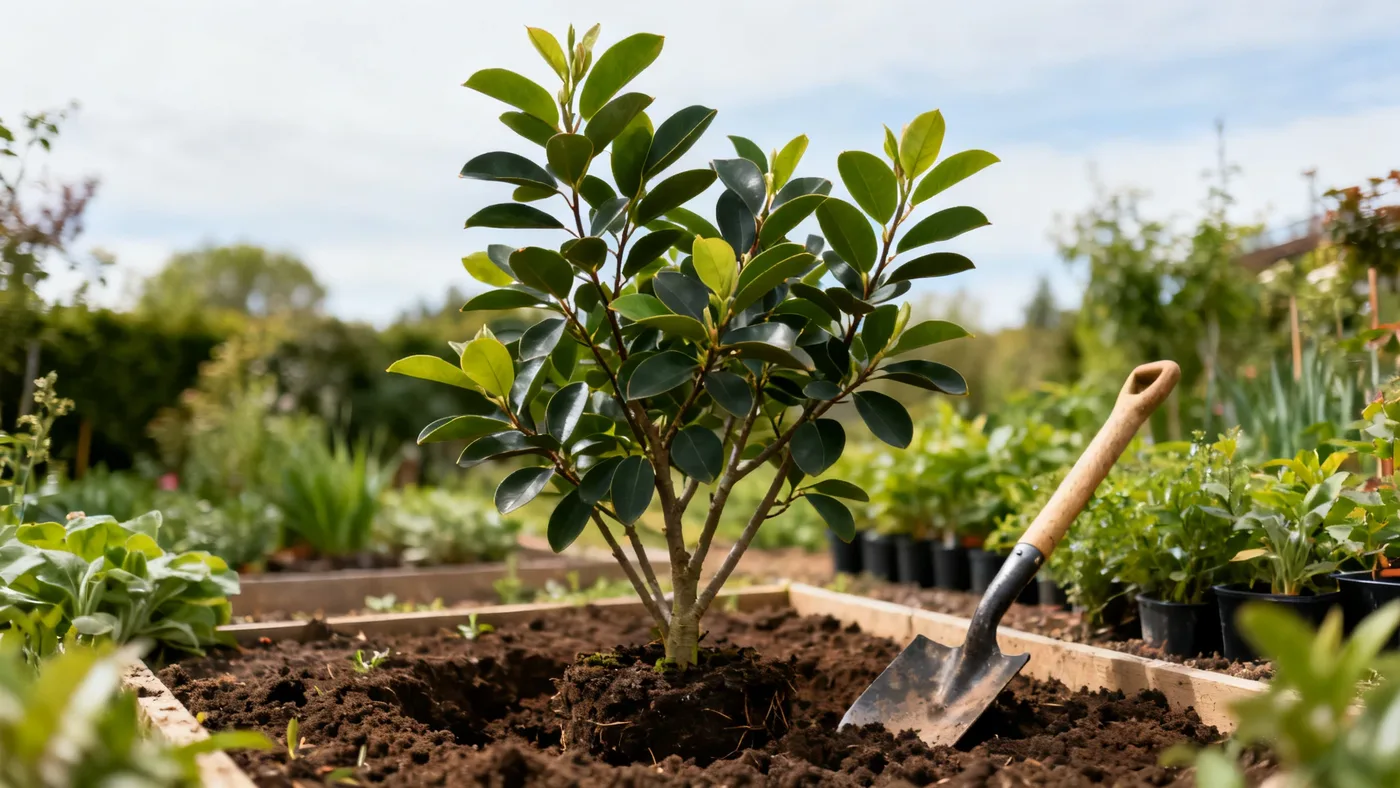
Watering Jane Magnolia: From New Planting to Maturity
Getting the watering schedule right is one of the most important, and often overlooked, steps in growing a healthy Jane Magnolia. This hybrid shrub (sometimes grown as a small multi-stemmed tree) thrives with consistent moisture, but not wet feet. Whether you just planted a young specimen or are caring for an established magnolia that has been in the ground for years, understanding its water needs at each stage will help you avoid both drought stress and root rot.
Why Watering Jane Magnolia Matters
Jane Magnolia grows in USDA zones 4-8 and reaches a mature size of 10-15 feet tall and 8-12 feet wide over roughly 10-15 years. Its growth rate is slow to moderate, approximately 1 foot per year. The plant has low to moderate drought tolerance, meaning it cannot survive extended dry periods once established without supplemental water during dry spells.
The key to success is understanding that Jane Magnolia wants moist, well-drained soil. Not soggy. Not parched. Poor watering is the leading cause of stress in young magnolias. Too little water stresses the roots; too much water without proper drainage invites fungal disease and root rot. Slight adjustments to your watering practice can make the difference between a thriving shrub and one that struggles.
Materials and Setup You'll Need
- A soaker hose or drip line (preferred) or a watering wand with a gentle spray nozzle
- A moisture meter or your finger for soil probing
- Mulch such as wood chips or bark, applied at 2-3 inches deep
- A rain gauge (optional but helpful for tracking natural rainfall)
- Well-draining, humus-rich soil at planting time
- A watering can for small container plants or spot watering
Watering a Newly Planted Jane Magnolia: First Growing Season
The first year after planting is critical. Your Jane Magnolia is busy establishing its root system and cannot yet tap deep soil moisture reserves. A consistent, attentive watering schedule during this period pays dividends for years to come.
Step 1: Water immediately after planting
Right after you plant (ideally in early spring or early fall, the best planting seasons for magnolias), water thoroughly at the base of the shrub. Soak the soil around the root ball until it feels moist 4-6 inches down. This settles the soil and eliminates air pockets that could dry out fine roots.
Step 2: Establish a regular watering schedule
For the first 4-6 weeks, water deeply 2-3 times per week, depending on rainfall and temperature. If your region receives 1 inch of rain per week, you can reduce supplemental watering. If it's drier or hotter, water more often. The goal is to keep the soil consistently moist, not waterlogged.
Use a soaker hose or drip irrigation whenever possible. These deliver water slowly and directly to the soil, reducing leaf wetting (which can invite fungal problems). If you use overhead watering, do it early in the morning so foliage dries quickly.
Step 3: Check soil moisture regularly
Stick your finger 2 inches into the soil near the drip line (the outer edge of the canopy). If it feels dry, water. If it feels moist, wait another day or two. A moisture meter takes the guesswork out. This hands-on approach teaches you how your specific soil behaves.
Step 4: Apply mulch to conserve moisture
Once the soil has settled, spread 2-3 inches of wood chips or bark mulch around the base, keeping it 4-6 inches away from the stem. Mulch conserves soil moisture, moderates soil temperature, and suppresses weeds. All of these help young plants thrive. Refresh mulch annually to maintain depth.
Step 5: Gradually reduce watering frequency as the season progresses
By mid-to-late summer of the first year, you can taper to watering once per week if rainfall is light. Keep the soil moist but allow it to dry slightly between waterings. This transition prepares the plant for the lower water availability of fall and winter.
Watering an Established Jane Magnolia: Years 2 and Beyond
Once your Jane Magnolia has been in the ground for more than one growing season, its root system is deeper and more resilient. However, it still needs consistent moisture, especially during dry spells.
Step 1: Water deeply but less frequently
Shift from frequent, shallow watering to deeper, less frequent watering. This encourages deeper root growth and greater resilience during occasional dry periods. Water once every 7-10 days during the growing season (spring through early fall), or whenever the top 2-3 inches of soil feel dry to your touch.
Step 2: Monitor seasonal rainfall
If your area receives steady rain (about 1 inch per week), you may not need supplemental watering at all during spring and early summer. Use a rain gauge to track actual precipitation. During hot, dry periods, supplemental watering becomes necessary. Measuring rainfall prevents both overwatering and underwatering.
Step 3: Adjust for your soil type
If your soil is clay-heavy, it retains moisture longer; water less frequently. If your soil is sandy or very well-draining, water more often. Your Jane Magnolia prefers moist, humus-rich soil with good drainage, typically at a slightly acidic to neutral pH around 5.5-6.5. Amend heavy clay at planting time to ensure adequate drainage.
Step 4: Water before heat stress sets in
During dry spells or heat waves, water proactively rather than waiting for visible wilting. Stressed plants are more vulnerable to pests and disease. A deep watering every 7-10 days during drought is far better than emergency watering once the plant is already in distress.
Recognizing Overwatering and Drought Stress
Signs of overwatering or poor drainage
- Yellowing leaves that drop prematurely
- Soft, mushy stem base or visible decay at the root collar
- Soil that remains waterlogged hours after watering
- Fungal leaf spots or mildew on foliage
- Lack of new growth despite frequent watering
If you suspect overwatering, check your soil drainage first. If water pools and does not drain within a few hours, amend the soil with compost or sand, or consider raising the planting bed slightly. Improving drainage is often more effective than simply watering less.
Signs of drought stress
- Wilting leaves, even in morning before full sun hits
- Leaf edges browning or scorching
- Smaller-than-normal leaves and reduced flowering
- Slowed or stopped growth during the active growing season
If you see these signs, water deeply immediately. Recovery typically takes a week or two of consistent moisture once you resume proper watering.
Common Watering Mistakes to Avoid
Shallow, frequent watering. This wets only the top inch or two of soil and encourages shallow roots that cannot access deep water reserves. Instead, water deeply and less often. This builds a robust, drought-resistant root system.
Watering on a fixed schedule regardless of rain. If rain fell heavily yesterday, skip today's watering. Let the soil dry slightly between waterings. Checking soil moisture by hand is always more reliable than a calendar.
Mulching right against the stem. This traps moisture around the base and can cause rot at the root collar. Keep mulch 4-6 inches away from the stem to allow air circulation.
Overhead watering in late afternoon or evening. Wet foliage overnight invites fungal disease. Water early in the morning or use soaker hoses at the base to keep leaves dry.
Ignoring soil drainage at planting time. Jane Magnolia will not tolerate heavy clay without amendment. Mix in compost or peat to improve drainage before planting, or plant on a slight mound to encourage water movement away from the roots.
Special Considerations for Different Situations
Young plants in containers
Jane Magnolia is suitable when young in large containers, but it prefers the ground as it matures. Container plants dry out faster than in-ground plants. Check soil moisture daily and water whenever the top inch feels dry. Move the pot to partial shade during extreme heat to reduce evaporation.
Newly transplanted or recovering plants
If you have recently transplanted an established magnolia, water more frequently for the first 4-6 weeks to help it recover. The shock of transplanting disrupts water uptake temporarily, even with careful technique.
Winter watering in zones 4-8
Once your Jane Magnolia goes dormant in late fall and winter, it needs far less water. If your region receives regular winter rain or snow, no supplemental watering is necessary. In very dry winters, an occasional deep watering on a mild day can prevent winter desiccation, especially for young plants in zones 4-5.
Quick Reference: Jane Magnolia Watering Checklist
| Growth Stage | Watering Frequency | Depth / Amount | Key Signs to Watch |
|---|---|---|---|
| First year (new planting) | 2-3 times per week for first 4-6 weeks; then 1x per week | Moist 4-6 inches deep | Soil feels moist; no wilting |
| Established (year 2+, normal rainfall) | Once every 7-10 days during growing season | Deep, 6-12 inches | Top 2-3 inches dry; no drought stress |
| Dry spell or drought (any age) | Every 7-10 days or as needed | Deep, 6-12 inches | Water before leaves wilt |
| Container plant (young) | Daily or every other day | Until water drains from holes | Top inch dry = time to water |
| Winter / dormant season | None (unless dry winter) | N/A | Natural precipitation is sufficient |
Moving Forward with Confidence
Watering correctly is the foundation of Jane Magnolia care, but it is only one piece of the puzzle. For detailed guidance on pruning, fertilizing, and seasonal care across the plant's entire lifecycle, see the Complete Jane Magnolia Care Guide for Every Season.
Keep notes on your watering schedule and the plant's response. Every garden is different. Soil type, rainfall patterns, and local climate all influence how much water your Jane Magnolia needs. Over time, you will develop an instinct for what works best in your space.