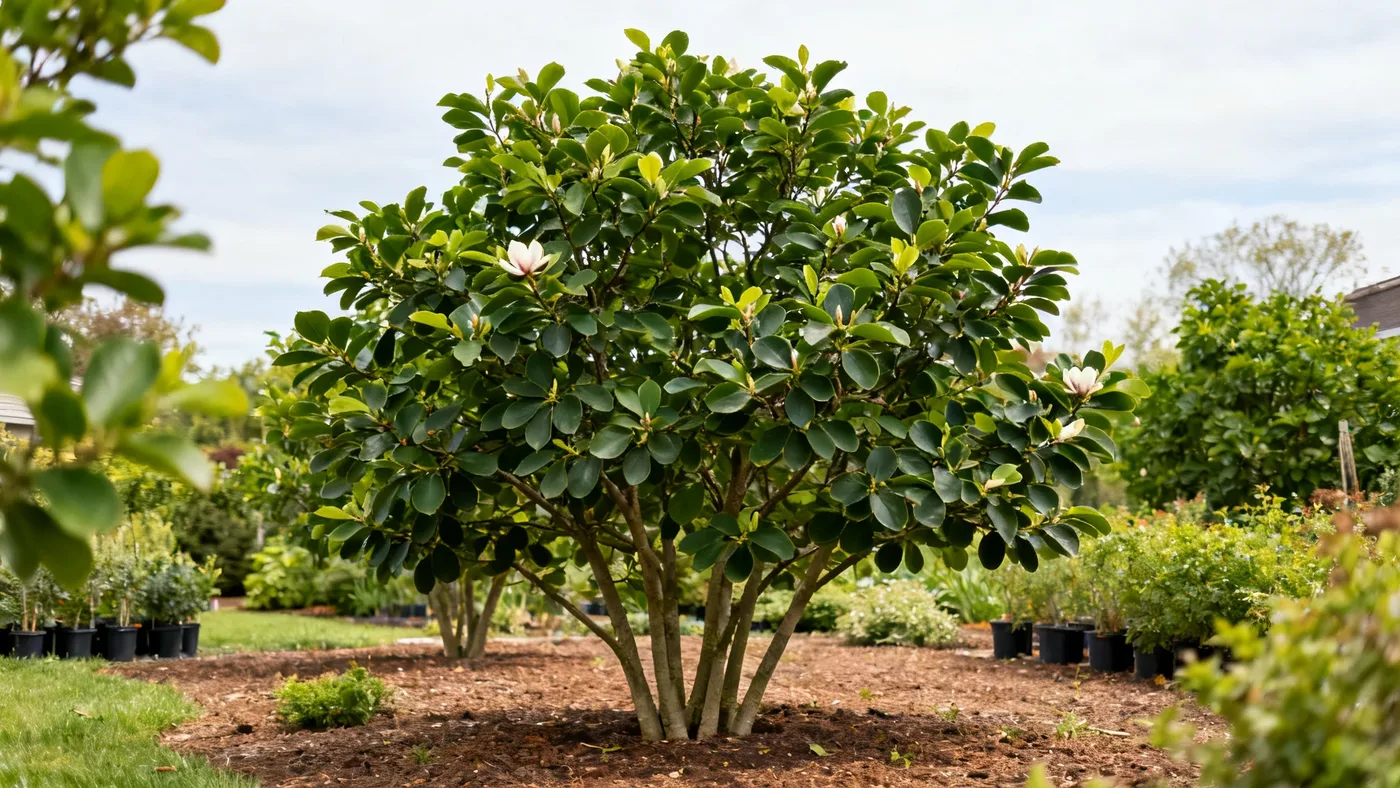
Jane Magnolia Sun Requirements: Full Sun or Part Shade?
Getting the light right is one of the best favors you can do for a Jane Magnolia. This deciduous shrub will grow and bloom in part shade, but give it full sun and you'll see a noticeably fuller plant with more prolific flowers. If you're trying to decide where to plant yours, or you're troubleshooting why an established plant isn't flowering as heavily as you'd hoped, understanding exactly what Jane Magnolia needs from the sun is the practical place to start.
What Jane Magnolia Sun Requirements Actually Are
The standard guidance is straightforward: Jane Magnolia thrives in full sun to part shade. But that textbook answer hides the real tradeoff. Full sun is the sweet spot. In full sun, Jane Magnolia develops the densest branching structure, flowers most heavily, and produces the richest bloom color (reddish-purple outside, white to pale pink or lavender inside). The plant's growth habit is tight and compact, which makes it look shrubby and intentional rather than leggy or sparse.
Part shade (typically 3 to 6 hours of direct sun per day, or bright, dappled light for much of the day) keeps the plant alive and reasonably attractive. You'll get flowers, but fewer of them. The branching will be less dense, which means a more open plant that may not fill your intended space as generously. Some afternoon shade in hot climates may actually help preserve the flowers longer by protecting delicate petals from scorching, but in regions where spring is reliably cool, full sun is the goal.
Step-by-Step: Assessing the Sun at Your Intended Planting Site
Before you dig a hole, spend a few days observing the spot where you're thinking of planting. Here's how to do it right.
Step 1: Map your site's sun exposure over a full day. Early morning, mid-morning, noon, mid-afternoon, and late afternoon are your checkpoints. At each time, note whether the spot is in direct sun, dappled shade (sunlight filtered through tree branches), or deep shade. Take a photo or jot down notes. Do this on a typical spring or early-summer day when the sun angle matches what your magnolia will experience during bloom time. Don't assess in winter, when the sun sits much lower and shade patterns shift dramatically.
Step 2: Count the hours of direct sun. Direct sun means unobstructed sunlight hitting the ground. Six or more hours of direct sun qualifies as full sun and is what you want. Four to six hours is on the borderline and may work if the remaining light is bright and dappled. Three hours or fewer means you're solidly in part shade territory, and while Jane Magnolia can live there, flowering will suffer.
Step 3: Check for afternoon shade from trees or structures. In cooler climates (zones 4-6), afternoon shade is less critical. In warmer zones (7 and 8), a touch of afternoon shade can be beneficial because it moderates heat stress and protects the delicate flowers during the hot part of the day. However, don't use afternoon shade as an excuse to skip full-sun siting. Jane Magnolia will still perform better with 6+ hours of sun, even if some of it is morning and midday rather than full-day exposure.
Step 4: Observe wind exposure. This isn't strictly a "sun" factor, but sun and wind go hand in hand at many sites. Exposure to strong wind (especially in late spring after flowers have opened) can batter and damage the blooms. If your full-sun spot is very windy, consider whether a slight eastern or southern slope, or a position sheltered by an evergreen to the north or west, might work better. A little afternoon shade for wind protection is a reasonable compromise if the trade-off is that you lose an hour or two of midday sun.
Optimizing Light for Your Jane Magnolia
Once you've assessed your site, here's how to make the best decision.
If you have full sun available (6+ hours of direct sun daily): Plant there. Jane Magnolia will flower reliably and develop into a compact, dense shrub. This is the standard expectation and will deliver the most impressive spring display. For spacing, allow 10 to 15 feet between plants if you're planting multiple Jane Magnolias as a screen or hedge. This distance accommodates the plant's mature width of 8 to 12 feet, leaving room for air circulation (good for health) and future maintenance.
If you have part shade (3 to 6 hours of direct sun or bright, dappled light): Jane Magnolia will still work, but set realistic expectations. It will grow (roughly 1 foot per year on average), but more slowly than in full sun. Flowering will be lighter. The plant may eventually reach its full mature height of 10 to 15 feet, but it may take several extra years. If this light level is your only option, ensure the soil stays consistently moist (but not soggy) because shade means less evaporative stress, which can actually help with water retention, but magnolias still dislike dry conditions. Avoid deep afternoon shade; if a large tree is blocking most of the sun, Jane Magnolia is probably not the right plant for that spot.
If you're planting near a south or west-facing wall: Full sun exposure is nearly guaranteed, but watch for heat reflection off the wall in summer. Jane Magnolia appreciates consistent moisture, and heat reflection can dry out the soil faster. Mulch to 2 to 3 inches around the base (staying a few inches away from the stem) to moderate soil temperature and retain moisture.
Common Mistakes to Avoid
Mistake 1: Choosing a north-facing location to "protect" the plant. Some gardeners worry about spring frost damage and think placing Jane Magnolia on the north side of a building will keep it from warming up too quickly and triggering early blooms. Jane Magnolia blooms in mid-to-late spring, which is naturally later than star magnolia, so late frost is less of a problem. More importantly, the limited sun on a north-facing site will do far more harm to flowering than any frost protection could do good. Stick with a southerly or easterly aspect.
Mistake 2: Assuming part shade is "easier" because it requires less watering. Yes, shade means less evaporation, but Jane Magnolia is not drought tolerant. Part shade is not a substitute for proper irrigation. Once established, a plant in part shade still needs consistent moisture, especially during dry spells. If you're thinking part shade will reduce your watering chore, reconsider your site choice.
Mistake 3: Planting under trees expecting dappled shade. Tree roots compete for water and nutrients, and falling leaves in autumn can smother young plants. If you do plant Jane Magnolia under or near deciduous trees, choose a spot where the tree root zone is less dense, ensure supplemental water reaches your magnolia, and gently rake away heavy leaf litter in the first year or two. Trees provide excellent frost and wind protection, but they're not automatic partners for magnolias.
Mistake 4: Overlooking wind damage to flower buds. A sheltered, sunny corner is ideal. If your site is exposed to strong spring winds, the flower buds (which form on old wood in the previous growing season and are visible as fuzzy growths on bare branches in late winter) can be damaged before they even open. You can't control the weather, but positioning your plant where afternoon shade or a windbreak to the north or west offers some protection is wise.
Expected Results Based on Light Levels
Understanding what to expect helps you make peace with your choice and know whether the plant is actually thriving or struggling.
In full sun (6+ hours daily): Expect prolific, reddish-purple and white-to-pale-pink flowers in mid-to-late spring. The blooms have a mild, sweet fragrance. Branching is full and compact. The plant may reach its mature height of 10 to 15 feet and width of 8 to 12 feet in roughly 10 to 15 years.
In part shade (3 to 6 hours daily): Expect a slower-growing, more open plant with fewer flowers. Blooms still appear but are less showy. Growth rate slows to the lower end of "slow to moderate." The plant will still be attractive and long-lived (often 50+ years with good siting), but it will look noticeably less full than a full-sun sibling.
In deep shade (fewer than 3 hours daily): Jane Magnolia will likely struggle to flower at all. Growth will be sparse and weak. This is not a recommended location, and you should consider a different plant for deep-shade sites.
Quick Reference: Jane Magnolia Sun Site Checklist
| Condition | Full Sun (Best) | Part Shade (Acceptable) | Deep Shade (Not Recommended) |
|---|---|---|---|
| Direct sun hours per day | 6 or more | 3 to 6 | Fewer than 3 |
| Bloom production | Heavy, prolific, vibrant color | Moderate to light, paler color | Minimal or absent |
| Plant density/branching | Dense, compact, full | Open, sparse branching | Very weak structure |
| Growth rate | Moderate (roughly 1 ft/year) | Slow to slow-moderate | Very slow or stalled |
| Watering needs | Consistent moisture; supplement during dry spells | Consistent moisture; mulch helps | Challenging; not worth planting |
| Wind/frost protection | Optional shelter from strong winds | Natural shade offers some frost protection | N/A |
For more detailed guidance on caring for your Jane Magnolia across the seasons, including pruning, watering, and fertilizing, see the complete Jane Magnolia care guide for every season.