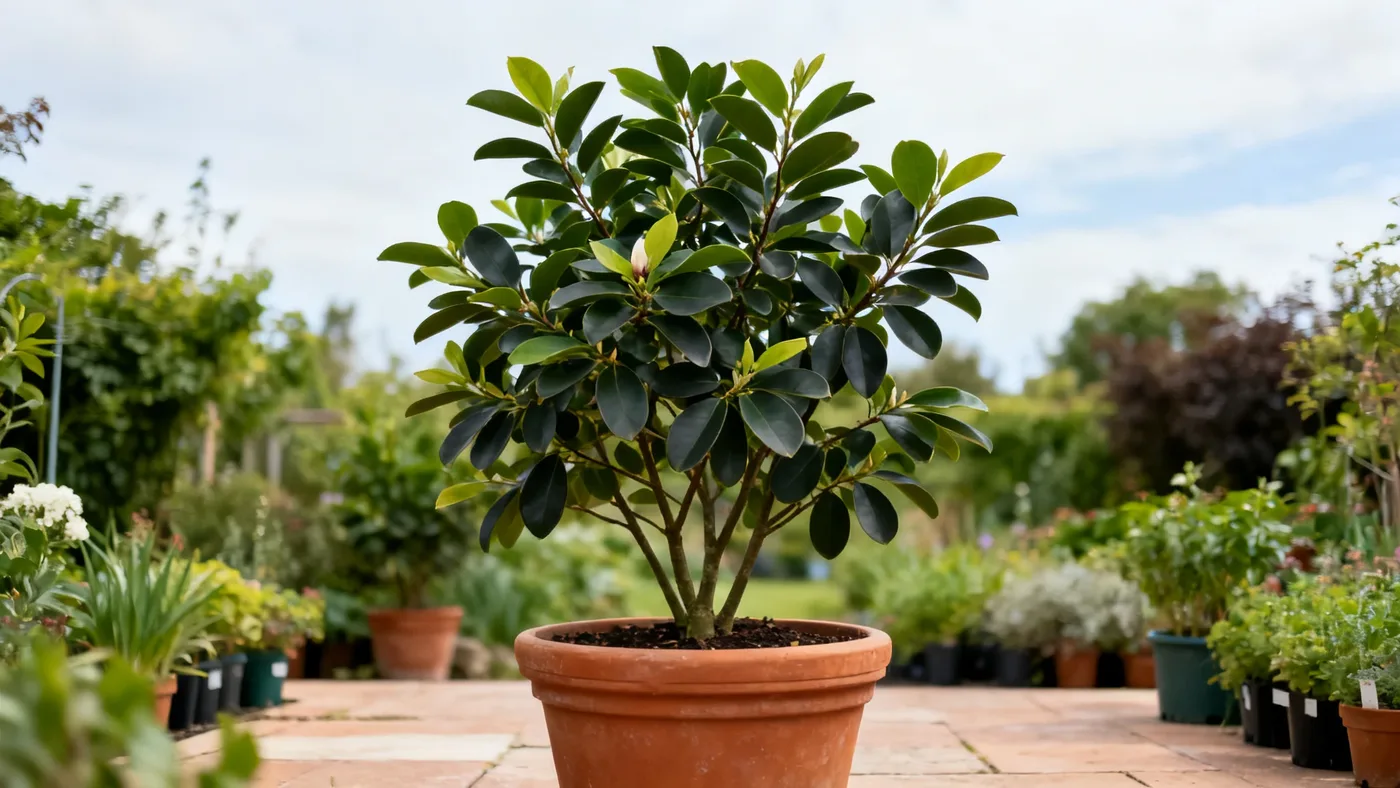
Growing Jane Magnolia in a Container or Large Pot
Jane Magnolia is surprisingly well-suited to container growing when it's young. If you don't have ground space, live in an apartment with a balcony, or want to position this flowering shrub for seasonal decoration, a potted Jane Magnolia can deliver beautiful mid-to-late spring blooms right where you need them. The key is understanding that containers work best as a temporary home, not a permanent one. Your Jane Magnolia will thrive in a pot for several years, but as it matures and reaches its full height of 10 to 15 feet, transplanting to the ground becomes important for long-term health.
Why Container Growing Works for Jane Magnolia
Jane Magnolia tolerates container life during its early years because it's a slow to moderate grower, adding roughly 1 foot per year. This measured pace gives you several seasons to enjoy the plant indoors or on a patio before it outgrows a pot. Nursery-grown Jane Magnolia plants can flower within 1 to 3 years after purchase, meaning your container plant may reward you with its signature reddish-purple and pale pink flowers sooner than you'd expect.
Container growing also gives you control over one critical factor: soil. Jane Magnolia prefers moist, well-drained, humus-rich soil on the slightly acidic to neutral side (pH 5.5 to 6.5). A pot lets you dial in these conditions precisely, rather than amending heavy clay or alkaline garden soil.
Selecting the Right Container and Pot Size
Size matters enormously for a Jane Magnolia in a pot. Start with a container at least 18 to 20 inches in diameter for a young nursery plant (typically sold in quart, number 1, or number 3 containers). As the plant grows over the first 2 to 3 years, you'll want to upsize to a 25 to 30-inch pot, or even a 20-gallon grow bag. The larger the container, the more stable soil moisture becomes and the more root room your magnolia has to spread.
Material choices affect watering frequency. Terracotta and wood dry faster than plastic or glazed ceramic, so choose accordingly based on your watering habits. Drainage holes are non-negotiable. A pot without drainage will waterlog the soil and invite root rot, defeating the whole purpose of container growing.
Materials You'll Need
- One large container with drainage holes (18 to 30 inches in diameter, depending on plant size)
- Potting mix: a blend of peat moss or coconut coir, perlite, and compost (aim for moist, well-drained, humus-rich texture)
- A soil pH testing kit or probe (target 5.5 to 6.5)
- Balanced, slow-release fertilizer formulated for trees and shrubs (acid-forming type preferred)
- Watering can or garden hose with a gentle spray nozzle
- Small pruning shears or secateurs
- Landscape fabric or newspaper (optional, to line the bottom of the pot)
- Mulch (2 to 3 inches depth, optional but helpful for moisture retention)
Step-by-Step Planting Instructions
Step 1: Prepare Your Potting Mix
Jane Magnolia needs soil that drains well but retains consistent moisture. Avoid dense, heavy garden soil. Instead, blend a high-quality potting mix with additional compost or aged bark to boost humus content. Aim for a mix that feels fluffy and breaks apart in your hand rather than compacting into a hard ball. If you have access to a soil testing kit, confirm the pH is between 5.5 and 6.5. Slightly acidic is ideal.
Step 2: Fill the Container Partway
Add 4 to 6 inches of prepared potting mix to the bottom of your container. This cushions the roots and allows for proper settling as you water. If your pot is very large, you can use coarser material or broken pottery shards at the very bottom to ensure drainage doesn't become blocked.
Step 3: Gently Remove the Plant from Its Nursery Pot
Water the nursery container thoroughly a few hours before transplanting. This loosens the soil and reduces transplant shock. Tip the pot on its side and gently slide the Jane Magnolia out. If the roots are circling tightly against the container walls, loosen them lightly with your fingers. Don't be aggressive; magnolias can be sensitive to rough root disturbance. Spread the roots outward in a gentle, natural position.
Step 4: Position the Plant at the Right Depth
Place the magnolia in the center of the pot so that the top of the root ball sits at the same level as it was in the nursery container (or very slightly higher). The soil surface should be 2 to 3 inches below the rim of the pot, giving you space to water without spillover. Do not bury the stem deeper than it was originally; Jane Magnolia does not appreciate being planted too deep.
Step 5: Fill in Around the Plant
Add your prepared potting mix around the root ball, gently pressing as you go to eliminate large air pockets. Water the container thoroughly after filling to settle the soil. Add more potting mix if the soil sinks noticeably after watering.
Step 6: Water and Position in Sunlight
After planting, water deeply until water drains from the bottom. Place the container in a location that receives full sun to part shade. Full sun delivers the best flowering and the densest form, so aim for at least 6 to 8 hours of direct sun daily if possible. Avoid wind-exposed locations, as Jane Magnolia flower buds can be damaged by strong gusts.
Container Care Through the Seasons
Spring
Early spring is planting season, making it an ideal time to start a potted Jane Magnolia. After blooms fade (typically mid-to-late spring), apply a light annual feeding with a balanced, slow-release, acid-forming fertilizer formulated for trees and shrubs. Follow package instructions carefully, as over-feeding in a container can burn roots and cause foliage damage. If any pruning is needed for shaping, prune right after flowering, since buds for next year's blooms set on old wood soon after this season's flowers fade.
Summer
Summer is when consistent moisture becomes critical. Jane Magnolia is not drought tolerant once established, and a potted plant dries out faster than one in the ground. Check soil moisture every 2 to 3 days. Water when the top inch feels dry to the touch. The goal is moist (not soggy) soil at all times. In hot, dry spells, you may need to water daily. Apply 2 to 3 inches of mulch on top of the soil to help retain moisture and regulate temperature.
Fall
Early fall is another good planting window if you missed spring. As temperatures cool, reduce watering slightly, but do not let the container dry out completely. Jane Magnolia's fall color is undistinguished (sometimes a muted bronze-yellow), but the bare branches reveal attractive gray, smooth bark and fuzzy flower buds visible in winter, which adds quiet winter interest.
Winter
Jane Magnolia grows in USDA zones 4 through 8. If you live in zone 4, 5, or 6, protect your container plant from extreme cold. Wrap the pot with burlap or move it to an unheated garage or sheltered location. In harsh winters, soil in a pot can freeze solid, damaging roots. A container provides less insulation than ground soil, so extra care is wise in colder zones. In zones 7 and 8, minimal winter protection is usually needed. Water sparingly but do not allow the soil to dry out completely during winter dormancy.
Watering and Feeding Guidelines
Watering is the most common challenge for container gardeners, and Jane Magnolia's need for consistent moisture makes it no exception. Overwatering leads to root rot; underwatering stresses the plant and inhibits blooming. The solution is to check soil regularly and water deeply when needed, rather than following a fixed schedule.
For feeding, one light application of balanced, slow-release fertilizer in early spring is usually sufficient for a potted Jane Magnolia. A second light application in mid-summer is acceptable if the plant appears pale or slow-growing, but avoid feeding after late summer, as this can stimulate tender new growth vulnerable to frost.
If your water is alkaline (high pH), consider supplementing with occasional applications of a soil acidifier or chelated iron to prevent chlorosis (yellowing leaves). Jane Magnolia tolerates close to neutral soil, but it prefers the slightly acidic end of the spectrum.
Tips and Common Mistakes to Avoid
Undersized pots are the biggest mistake. A too-small container limits root space, dries out rapidly, and forces frequent watering. Start generously with container size and upsize as the plant grows.
Poor drainage is equally damaging. Never skip drainage holes or ignore signs of soggy soil. If water pools on the surface after watering, the drainage is inadequate and roots are at risk.
Inconsistent watering stresses Jane Magnolia and can prevent flowering. Set a watering routine and stick to it, adjusting for weather and season.
Late frost can still damage open flowers in some years, even though Jane Magnolia's mid-to-late spring bloom timing helps it dodge the worst frosts. If a hard freeze is forecast while the plant is blooming, move the pot to a sheltered spot or drape it with burlap to buffer temperature extremes.
Neglecting to transition a container plant to the ground can limit its long-term potential. Jane Magnolia can live 50 or more years in ideal conditions, but a container restricts ultimate size and vigor. Plan to transplant your magnolia to a permanent garden spot after 3 to 5 years, once it's established and the root system is robust enough to handle the transition.
Expected Results
A healthy potted Jane Magnolia may produce flowers within 1 to 3 years if started with a nursery-grown plant. Blooms appear in mid-to-late spring and last 1 to 2 weeks. The flowers are fragrant (mildly, with a sweet scent) and attract early-season pollinators like bees. Summer foliage is dark green and oval-shaped. Growth is steady but unhurried at roughly 1 foot per year, so don't expect rapid size increases. With consistent care and proper watering, your container plant should remain healthy and vigorous indefinitely, though transplanting to the ground will unlock its full potential.
When to Transition to the Ground
Monitor your container Jane Magnolia's growth. If roots begin emerging from drainage holes or growth slows noticeably despite adequate watering and feeding, the plant is becoming pot-bound. This is the signal to plan a transition to an in-ground location. Early spring or early fall are the best planting seasons for this move. For more detailed care guidance through all seasons, consult the complete Jane Magnolia care guide for every season.
Quick Reference Checklist
| Task | Timing | Notes |
|---|---|---|
| Plant or repot | Early spring or early fall | Container size: 18-20 inches initially, 25-30 inches as plant matures |
| Water | Every 2-3 days in growing season; adjust for weather | Keep soil moist but not soggy; daily watering may be needed in heat |
| Fertilize | Early spring (light application) | Use balanced, slow-release, acid-forming fertilizer for trees and shrubs |
| Prune for shaping | Right after flowering (mid-to-late spring) | Minimal pruning needed; buds for next year set on old wood |
| Mulch | Spring through summer | Apply 2-3 inches to soil surface to retain moisture |
| Monitor for pests/diseases | Growing season | Scale insects and occasional leaf spot fungi are minor concerns; maintain air circulation |
| Winter protection (zones 4-6) | Late fall | Wrap pot with burlap or move to sheltered location in cold climates |
| Check soil pH | Annually or when plant shows stress | Target 5.5-6.5; adjust with acidifier if water is alkaline |
| Transition to ground | After 3-5 years or when roots emerge from drainage holes | Early spring or early fall planting; choose a spot with full sun |