Is Jane Magnolia Deer Resistant? What to Expect in the Garden
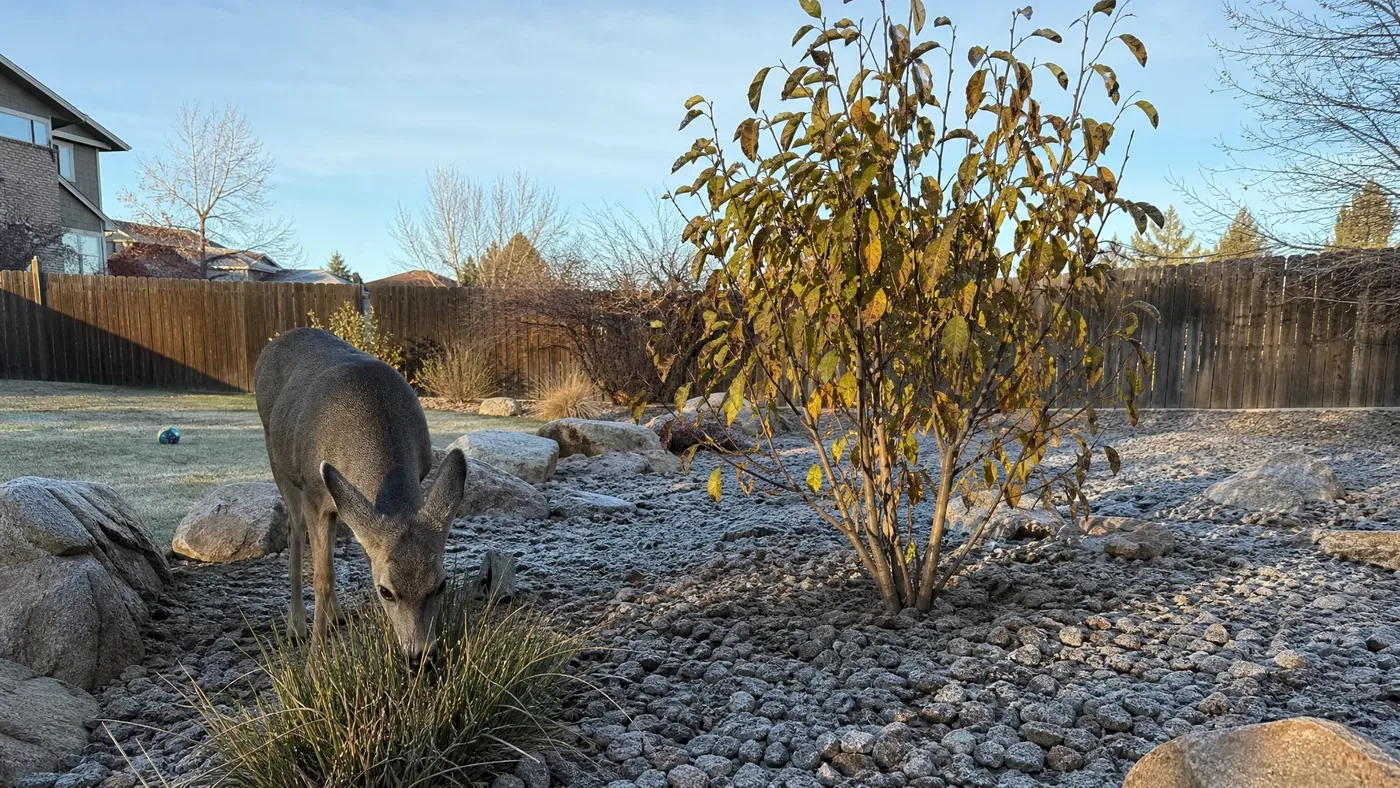
Walk out on a frosty morning and the lawn tells the story: a line of hoofprints cutting across the grass toward the fence. Then look along the fence line and see which shrubs were chewed to stubs and which stood untouched. That second list is what you are really asking about when you ask whether Jane Magnolia is deer resistant.
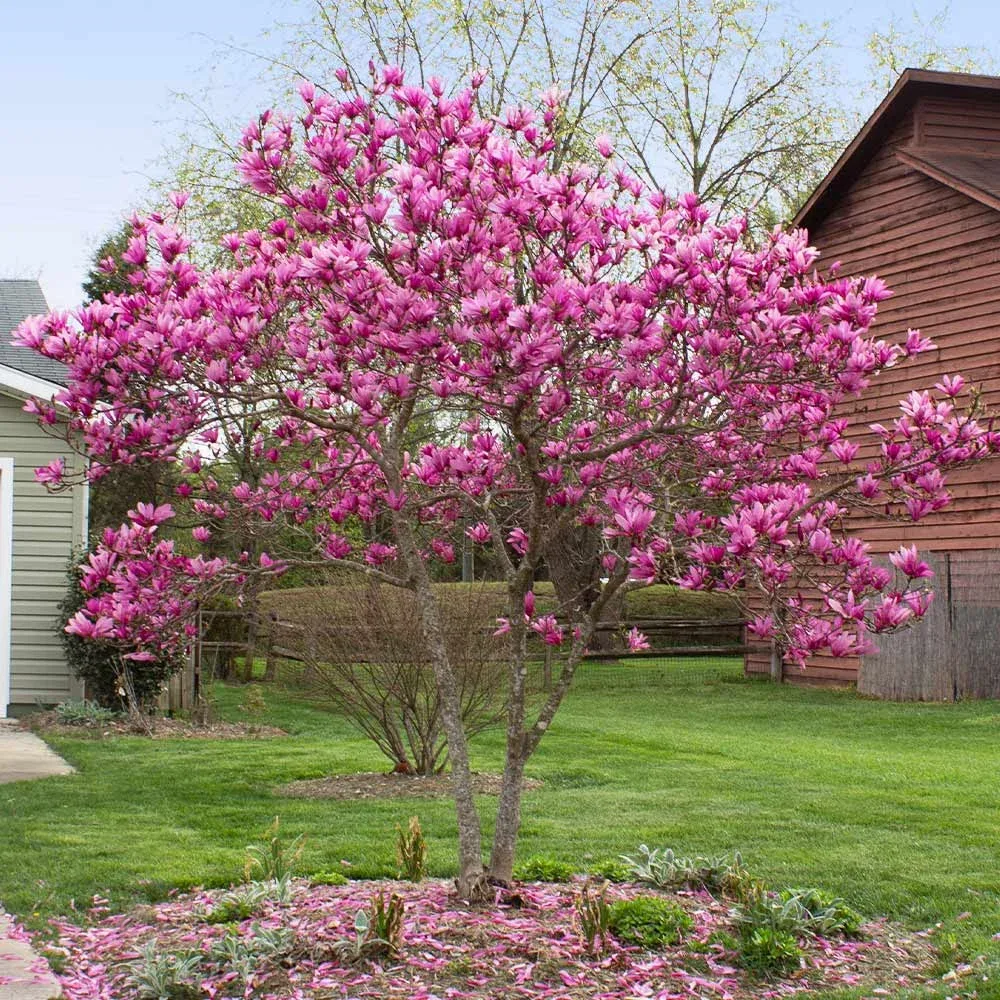
Our honest answer is that deer usually leave Jane alone once it is established, but a young plant can get sampled, and a hungry herd can change the odds. This guide covers everything you need to know about deer and Jane, from scouting your site before you buy, to protecting a new planting through its first weeks, to how a mature shrub holds up. Done well, you keep the spring flowers and skip the stripped, stunted plant.
What Deer Actually Eat Around Jane Magnolia
Watch a deer work along a hedgerow at dusk and you will see that it does not eat a plant so much as sample one. It takes a bite of a twig tip, chews, and either moves on or strips the branch. That choice depends on what else is on offer, which is why "deer resistant" on a plant tag means "usually passed over" and never "never touched."
How Deer Decide What to Eat
Deer browse by taste and by hunger. Tender new growth, buds and young woody stems rank high on the menu, while tough, bitter or strongly scented leaves rank low. In a season of plenty a deer can afford to be picky. In a lean one the list of acceptable plants grows longer every week, and a shrub that was safe in June can be on the menu by February.
Deer also learn routes. A herd that passes your fence line at dawn and dusk learns which yards offer easy food and comes back. That habit, more than any single trait of a plant, decides which shrubs get chewed.
Where Jane Ranks
Jane is a hybrid, a cross between M. liliflora 'Reflorescens' and M. stellata 'Waterlily', and in our rows it behaves like a plant deer treat as second-rate food. What we see is a pattern rather than a rule: established plants are usually passed over, while small new plants take an occasional nibble.
Common advice says a deer-resistant plant needs no protection. We disagree for any shrub that is new in the ground. A hungry herd in a hard winter will test almost anything, and Jane is no exception. Everything below is built on that pattern, so you can match your effort to the stage your plant is in.
Before You Buy Jane Magnolia in Deer Country
Take a walk around your property at first light before you order anything. A yard that looks quiet at noon can be a busy crossing at dawn, and the ground keeps the record. Tracks, droppings and worn paths show where deer cross, and the neighbors' plants show what they have been eating.
Scout Deer Traffic Before You Choose a Spot
Fresh snow is the easiest map you will ever get, because tracks show every route and every place the animals paused. Stand where you plan to plant and ask whether a trail runs within a few steps. Look for these signs:
- Twig ends that look frayed rather than cut cleanly, because deer have no upper front teeth and tear what they eat.
- A level browse line on nearby shrubs, which tells you how tall a cage needs to be for your herd.
- Flattened patches of grass or leaf litter under trees, where deer bed down close to a food source.
- Scraped, peeled bark on slender trunks, which means bucks have been rubbing antlers in the area.
If a trail runs right past your chosen spot, move the plant or plan on a barrier from day one.
Choose a Placement and Size You Can Protect
Jane reaches 10 to 15 feet tall and 8 to 12 feet wide, so leave room for the mature shrub but build the first barrier for the young one. It takes full sun to partial shade, so you do not have to tuck it against a dark woodland edge, where deer travel and bed down.
On size, we lean toward a fuller, well-branched plant over the smallest pot available, because one bite takes a smaller share of it. Our guide to container sizes and what to look for explains how to judge a plant on the bench.
The First Weeks After Planting Jane Magnolia
Deer notice a change on their route overnight. A freshly planted shrub, with turned soil, damp mulch and soft new leaves, is exactly that kind of change. The first weeks are when a nibble does the most harm, so protection goes in the same day as the plant.
Plant and Protect in One Visit
Plant it as described in our guide to planting a Jane Magnolia tree, then work through this list in order:
- Set the cage or fence before you leave the planting site. Do not wait for the leaves to open fully.
- Water deeply at planting and keep the root zone evenly moist. Our guide to watering Jane Magnolia from planting to maturity covers the schedule.
- Spread mulch in a ring and keep it a few inches off the trunk so the bark stays dry.
- Walk past at dawn every day or two and look at the twig tips and the newest leaves.
- If you find browsing, note how high it is and raise or widen the barrier to match.
One of the most common questions we get is whether the cage can wait until the leaves are fully open. It cannot, because soft new growth is the part deer find most appealing.
Read the Plant at Dawn
A dawn walk is the cheapest protection there is, because the evidence is fresh. Browsed tips look torn and pale at the break, and the damage is usually at one height, the reach of a standing deer. Damage at several heights, or low down, points to other animals, and you may need a finer mesh near the ground.
If a tip is nibbled, leave it alone for now. Fresh cuts made in a panic do more harm than a ragged end, and you can tidy the plant later, after it flowers.
Why Young Plants Get Browsed More
Stand beside a newly planted Jane and you will see the whole plant at deer height. That is the core of the problem, and it has two parts: how much of the plant is exposed, and when deer are looking for food.
Everything Is Within Reach
A young shrub has no growth above a deer's reach and no skirt of old wood to absorb a bite. Every leaf and every bud sits where it can be torn off from the ground. Cornell lists Jane as slow-growing, so it stays at that vulnerable size longer than a fast shrub would, and a lost shoot takes time to replace.
A newly planted shrub is also still building roots. Spending energy on regrowth after a browsing event competes with settling in, which is why a plant that loses a lot of leaf in its first season can stall.
When Deer Are Hungriest
Hunger is seasonal. Late winter and early spring are the lean weeks, when stored food in the woods is gone and fresh growth has barely started. A bud that swells or a leaf that opens in that gap draws attention.
Jane flowers from mid-April to early May, which is two to four weeks later than the parent species of the Little Girl Series. That late schedule means its buds sit on the branch through a stretch when the surroundings can still look bare. Deep snow and dry summers also push deer toward plants they would otherwise ignore, so check your plant after both. In autumn, bucks rub antlers on slender young trunks, and a new magnolia stem is just the right size.
Fencing, Cages and Repellents That Work
A wire cage looks fussy on a new planting, yet it is the one measure that works whether deer are hungry or not. Repellents help, but they ask deer to make a choice, and a hungry deer chooses differently than a well-fed one. We put physical barriers first and sprays second.
The table compares the options we point customers toward most often.
| Method | Best for | Watch for |
|---|---|---|
| Wire cage | A single young plant in its first seasons | Branches pressing through the mesh as the plant widens |
| Netting wrap | Winter cover over a small plant | Tangling in new growth, so remove it before buds open |
| Tall fence | Several plantings or a deer yard nearby | Cost, and gaps at gates |
| Repellent spray | Extra cover at leaf-out and in the lean weeks | Washing off in rain and deer getting used to it |
Cages and Netting
Build the cage wider than the plant and tall enough that a deer cannot lean over the top and reach inside. Stake it firmly, because a loose cage gets pushed aside. Leave a few inches between the mesh and the branches, since Jane's twigs grow outward toward the light and can get nibbled through the wire.
Use netting only as a loose cold-season wrap. Take it off when buds swell so it does not snag the flowers, which open before the leaves do.
Repellents and When to Rotate
Repellents work through smell or taste, and deer learn that a product is harmless if nothing bad ever follows. Rotate between two products with different active ingredients every so often, and apply them to new growth before leaf-out. Reapply after heavy rain and follow the label for timing and use.
A spray alone is weakest when deer are hungriest, so pair it with a cage while the plant is small. Because Jane is wide when mature, a fence around a whole bed can later make more sense than a cage on each shrub.
Loosening Protection as Jane Magnolia Settles In
A good early report reads like this: a few nibbled tips, no stripped branches, and a plant that leafed out on schedule. Your job over the first three growing seasons is to loosen protection as the plant earns it, and to know which damage you can safely ignore.
Keep the Cage While the Plant Is Small
Keep the cage on through the first full cycle, including the dormant months. Check it after storms and snowfall, because drifts can lift deer high enough to reach over the top. Tolerate small tip damage. If tips need tidying, wait until after flowering, since it is best to prune sparingly and do any shaping after flowering. Our guide to pruning Jane Magnolia shows where to cut.
Widen the Barrier as Branches Spread
Swap tight mesh for a roomier cage as the branches spread, and keep the cold-season netting and spring repellent routine going. If deer are leaving the plant alone behind the cage, resist the urge to remove it early. Slow growth means Jane needs the cage longer than a quick shrub would.
Test the Plant Without the Cage
Once the plant has a fuller shape, take the barrier off for one season while keeping repellent in reserve. Our guide to how big Jane Magnolia gets and how fast it grows will help you judge whether your plant is ready. Put the cage back if the leader or the bark starts taking damage.
Damage to Tolerate and Damage to Act On
Tolerate a nibbled tip or a ragged lower leaf. Act on a snapped leader, stripped bark or repeated browsing on the same stems, because those set the plant back and invite more visits.
How an Established Jane Magnolia Holds Up
On an established plant, the browse that does show up is low and ragged: a few leaves at the skirt, a twig end here and there, usually in late winter. The upper canopy of a mature Jane, which tops out around 15 feet, is out of reach, and the plant has enough wood and leaf area to shrug off a lost branch tip. Bloom still arrives from mid-April to early May.
What Browsing Still Shows Up
Customers usually ask us whether a single nibble means their Jane is a favorite. It rarely does. One sample from a passing deer is not a pattern, and a plant that gets browsed lightly one year generally leafs out as normal the next.
The flowers draw their own visitors in spring, so a few chewed petals or a bruised bud do not always mean deer. Look at the height and the tear before you decide who the culprit was.
When to Step in Again
Watch for two things. In a hard winter with deer yarding nearby, look at the lower branches in late winter and spray or wrap them if you see fresh damage. If bucks rub the trunk in fall, put a loose guard around the stem. Neither is a reason to cage a mature shrub.
The ASPCA lists star magnolia, one parent of Jane, as non-toxic to dogs, cats and horses. That is a pet-safety listing for the species and says nothing about whether deer like the plant, so do not read it as protection.
Deer Pressure and Jane Magnolia Summed Up
Deer risk follows the plant's stage. Before planting, it is a question of where you put the shrub and how well you can protect it. In the first weeks, a cage and a daily look matter most. As the plant fills out, the barrier loosens, and an established Jane is usually passed over, with only occasional low browsing to tidy up after flowering.
Deer may still sample a Jane once, but a protected young plant usually outgrows the problem.
Jane Magnolia
Nursery-grown Jane Magnolia in sizes from 1 Gallon 1-2 Feet Multi Stem, shipped to your door.
From $80.55
Shop Now →Deer are the reason we raise Jane the way we do: in full sun, with room around every plant, on our own farms. Our growers raise and pack each top-quality shrub and small tree themselves, so you get a plant that has been looked after from start to finish. If you would like a magnolia to enjoy through spring, pick out a Jane for your own garden from our shop.