Is Jane Magnolia Evergreen or Deciduous?
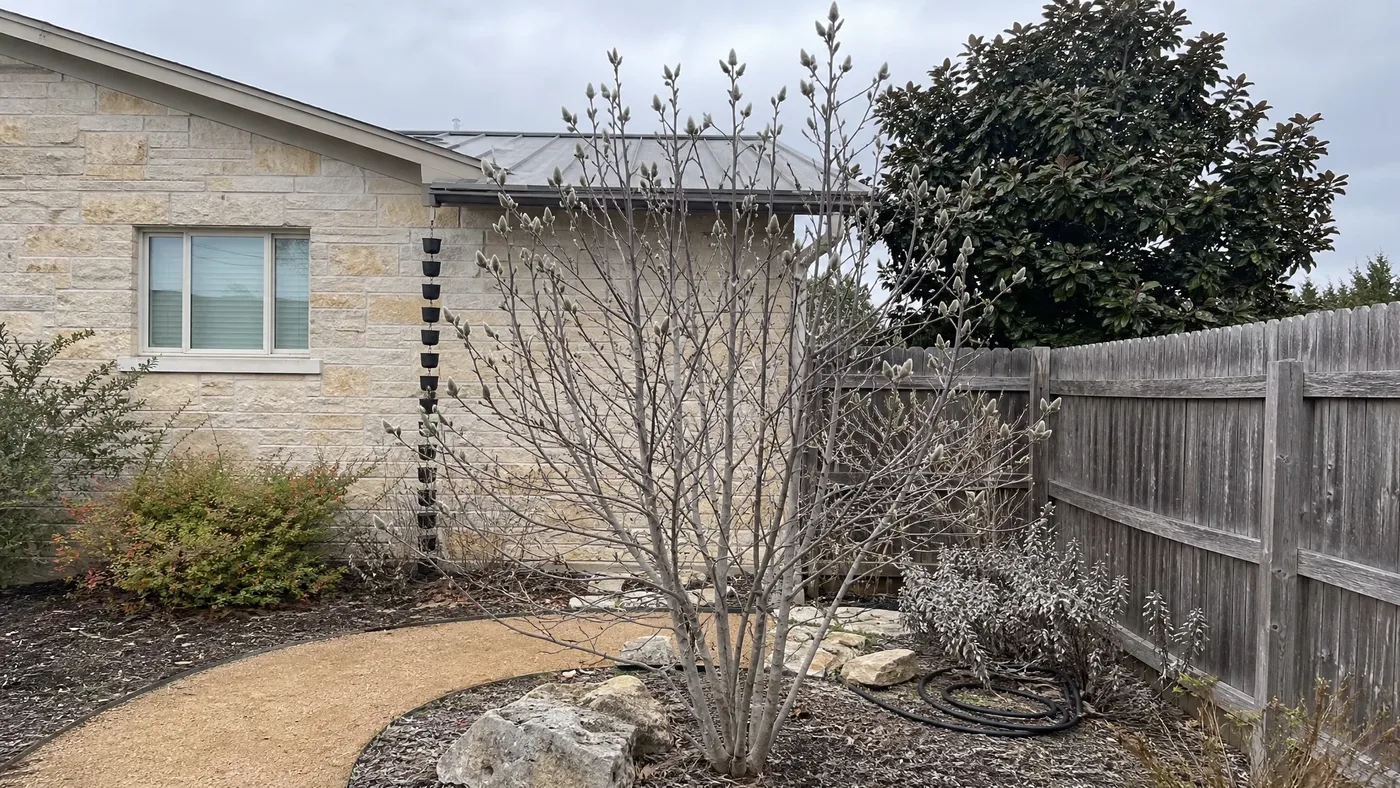
Picture a January morning. You walk past a bare branch tipped with silvery, fuzzy buds, and across the fence your neighbor's glossy Southern Magnolia is as green as it was in July. Which one is the odd one out? Most people expect a magnolia to stay leafy all year, so the bare branch looks like the problem. It is not.
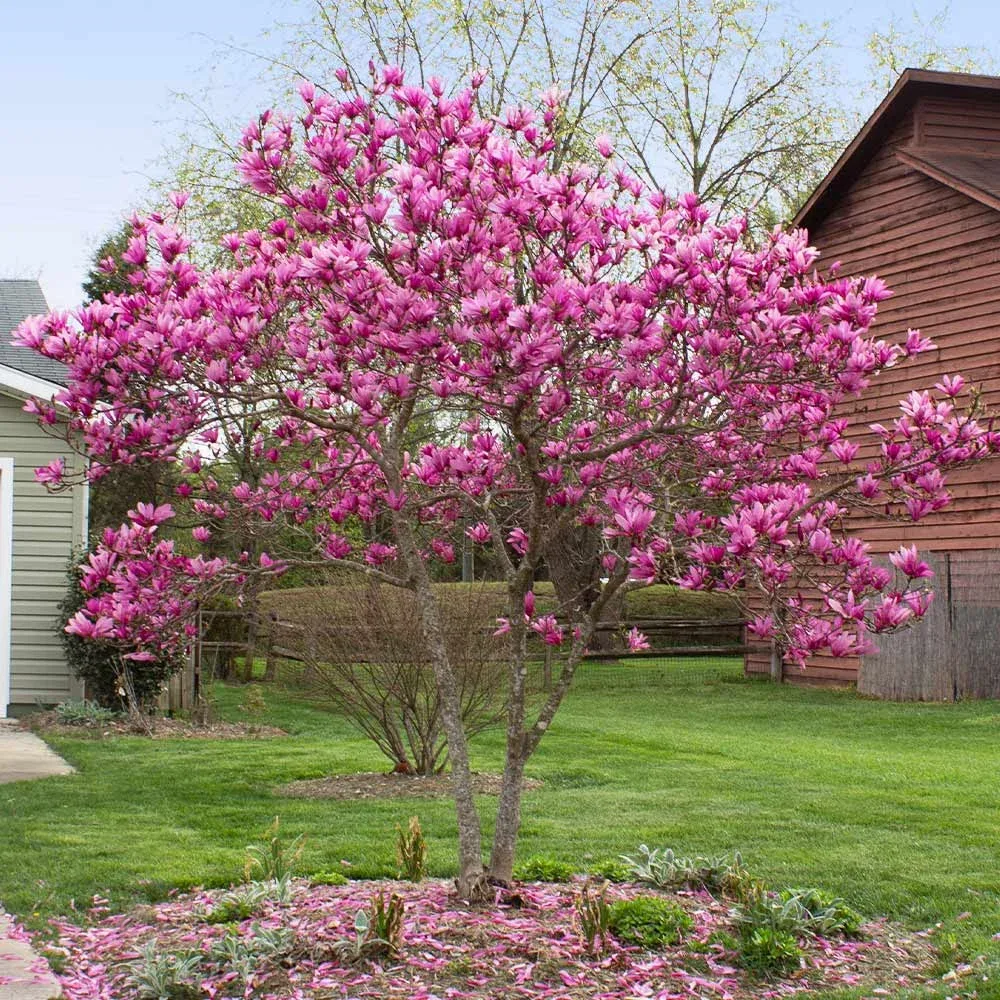
Jane Magnolia is deciduous. It drops every leaf in fall, stands bare through winter, and then rewards the wait with fragrant, cupped flowers in spring. Once you know that, a leafless Jane stops being worrying and starts being something to look forward to.
This article talks about Jane's leaf cycle and answers the questions customers ask us most. Read on to learn why the bare winter frame is healthy, why Southern Magnolia causes the mix-up, what the fuzzy buds promise, how to tell normal leaf drop from real trouble, and why a leafless Jane still earns its place in the yard.
Does Jane Magnolia Keep Its Leaves All Winter?
No. Jane Magnolia is deciduous without any qualification. Every leaf drops in fall, the branches stand bare until spring, and a fresh set of glossy, oval, mid-green leaves comes in. Those leaves can reach about 6 inches long, so the summer canopy is full even though the winter one is empty.
How the Year Runs
Follow the cycle in order. In spring the red-purple buds open to fragrant flowers, white inside, and the new leaves fill in. Through summer Jane holds that shiny foliage. In fall the leaves let go, and by winter you are looking at bare wood with buds already set for the next round.
Jane is hardy in zones 4 through 8, so this same rhythm plays out from cold northern yards to mild southern ones. If you want to check your own zone, our guide to the best growing zones for Jane Magnolia walks through it.
Why the Question Keeps Coming Up
Glossy leaves are the first reason people assume Jane is evergreen. A shiny leaf looks like an evergreen leaf in July, but shine says nothing about whether the plant keeps it. The leaf is the same either way until fall, when Jane drops it and an evergreen does not.
Bare Branches on Jane Magnolia Mean Something Went Wrong
A leafless Jane in January is a plant at rest, not a plant in trouble. Dropping its leaves lets a deciduous plant shut down for winter instead of trying to keep foliage alive through cold. Jane is hardy to zone 4, so it is built to sit bare through winters that would punish soft green leaves. One of the most common questions we get is whether a bare Jane is dead, and the answer is almost always no.
Quick Checks for a Live Plant
You can tell in a minute. Scratch a tiny patch of bark on a twig with your thumbnail, and green, moist tissue underneath means the wood is alive. Look at the buds too. Plump, fuzzy buds at the twig tips are a good sign, and so is a twig that bends before it snaps.
Do this on a few branches rather than one, since a single dead twig tells you very little about the whole plant.
When Bare Is Not Normal
Bare wood in July is a different story. So are branches that stay bare after the rest of the plant has leafed out, or buds that shrivel and turn dry. Jane flowers later than many magnolias, so give it until the flowering window has passed before you judge a slow spring. Winter bareness alone is never the warning sign.
Jane Magnolia Must Be Kin to Southern Magnolia
They share a genus name, and that is where the resemblance ends in winter. Southern Magnolia (Magnolia grandiflora) is an evergreen broadleaf that retains its leaves for more than one year. It is the tree most people see in their heads at the word "magnolia," and it is native to the southeastern U.S., from southeast Texas to eastern North Carolina.
Jane comes from a different branch of the family. It is a cross between Magnolia liliiflora 'Reflorescens' and Magnolia stellata 'Waterlily', and both of those parent species drop their leaves. Two deciduous parents give a deciduous plant, so Jane is a distant cousin of the Southern at best.
Even the evergreen has limits. Southern Magnolia leaves live two years in warm climates but sometimes turn brown and fall in zones 5 and colder.
The table sets the two side by side.
| Trait | Jane Magnolia | Southern Magnolia |
|---|---|---|
| Foliage | Deciduous | Evergreen broadleaf |
| Leaf life | One season, dropped in fall | Two years in warm climates |
| Hardiness zones | 4–8 | 7–9 |
| Origin | Hybrid of two deciduous species | Native to the southeastern U.S. |
Our pick depends on where you garden. In zones 7 through 9, if you want green all year, the Southern is the honest answer. In zones 4 through 6, or anywhere you want a plant of 10–15 feet tall and 8–12 feet wide covered in spring flowers, we would choose Jane. If your real choice is between deciduous magnolias, our guide to Jane versus Saucer and Tulip Magnolia picks that apart.
Fuzzy Winter Buds on Jane Magnolia Are Just Dead Tips
Run a finger along a bare Jane stem in February and you will feel soft, silvery fuzz at the tips. It looks like frost damage, but those are flower buds wrapped in a downy coat for the winter. Inside each one is the flower to come: a slender, deep red-purple bud opening to a fragrant, cupped bloom about 4 inches across, with 10 narrow tepals, red-purple outside and pure white within.
What the Buds Promise
Those buds are the bloom forecast. Jane and its Little Girl siblings flower from mid-April to early May, about two to four weeks later than the parent species. That later opening helps the flowers miss some of the late frosts that catch earlier magnolias. In our rows, the fuzzy buds start looking plump weeks before anything else on the plant moves.
For how long the show lasts and what color to expect, see our guide to Jane Magnolia bloom time and flower color.
Leave the Buds Alone
Cutting a bare Jane back in winter removes the flowers with it. Prune sparingly, only to remove dead or broken branches or to keep the shape, and do so after flowering. Our guide to how and when to prune Jane Magnolia covers the cuts in detail.
Autumn Leaf Drop Signals a Sick Jane Magnolia
Leaf drop in autumn is Jane keeping to its schedule. Normal drop happens in fall, affects the whole plant fairly evenly, and leaves healthy twigs with plump buds behind. Color and timing shift with climate and the weather that year, so check with your local extension service for what to expect in your area. What matters is the pattern, not the shade of the leaves on the ground.
Real trouble looks different. These are the signs we tell customers to take seriously:
- Leaves dropping in midsummer while still green or spotted, long before fall.
- Dark spots or a dusty white coating on the leaves, which can point to leaf spot, anthracnose or powdery mildew. Anthracnose and powdery mildew are both known problems for Jane.
- Sticky or crusty bumps on the stems, or stippled, distorted leaves, which can mean scale or thrips. Weevils are also a known pest of Jane.
- Brown, crisped leaf edges during a hot, dry spell, which usually means a watering problem rather than disease.
- Branches that stay bare and brittle after the rest of the plant has leafed out in spring.
Jane is tolerant of heavy clay soils, air pollution and heat, so a plant that is struggling usually has a local cause such as drought or a pest. Our guide to 7 common Jane Magnolia problems and how to fix them works through the fixes.
Deciduous Plants Have Nothing to Offer in Winter
We disagree with this one more than any other. A leafless Jane is compact, upright and slow-growing, so the bare frame stays tidy for years instead of sprawling. At 10–15 feet tall and 8–12 feet wide, it has the proportions of a small specimen. Without leaves, you can read every branch.
What the Bare Frame Gives You
Winter shows you the structure that summer hides. The twigs carry their fuzzy buds like small candles, and on a gray morning that silvery coat catches the light. The buds also keep the plant looking purposeful, because you know what they will become.
Without leaves, winter sun also reaches the ground beneath Jane. That helps if you plant bulbs or low perennials underneath it.
When We Would Pick an Evergreen Instead
Be honest about what you need. If the plant has to screen a view or block a neighbor's window in January, a deciduous Jane will not do that job, and an evergreen is the better choice. If your goal is spring scent, color and a bare frame that earns its keep, Jane wins.
What Jane Magnolia Gets Right About the Seasons
The settled answers are simple. Jane is deciduous, so it drops every leaf in fall and stays bare in winter. Bare branches are normal, the fuzzy buds are flower buds, and the shared name with Southern Magnolia hides a different parentage. Normal fall leaf drop is not a sign of sickness, but summer drop, spots or dieback deserve a closer look.
The rhythm to expect is spring bloom, a leafy summer, a quiet fall drop and a bare, budded winter. Then one late-winter morning you will spot the first fuzzy bud swelling at the tip of a bare twig, and you will know the plant is alive and getting ready.
Jane Magnolia
Nursery-grown Jane Magnolia in sizes from 1 Gallon 1-2 Feet Multi Stem, shipped to your door.
From $80.55
Shop Now →Our Jane plants stand in full sun on our own farms, and each winter we let them drop their leaves and stand bare with fuzzy buds, just as the plant is meant to. We are a small business of growers who raise every magnolia and other plant we sell, and we ship only top-quality stock. Now that you know what a bare winter branch means, begin your own seasons with a Jane from our shop.