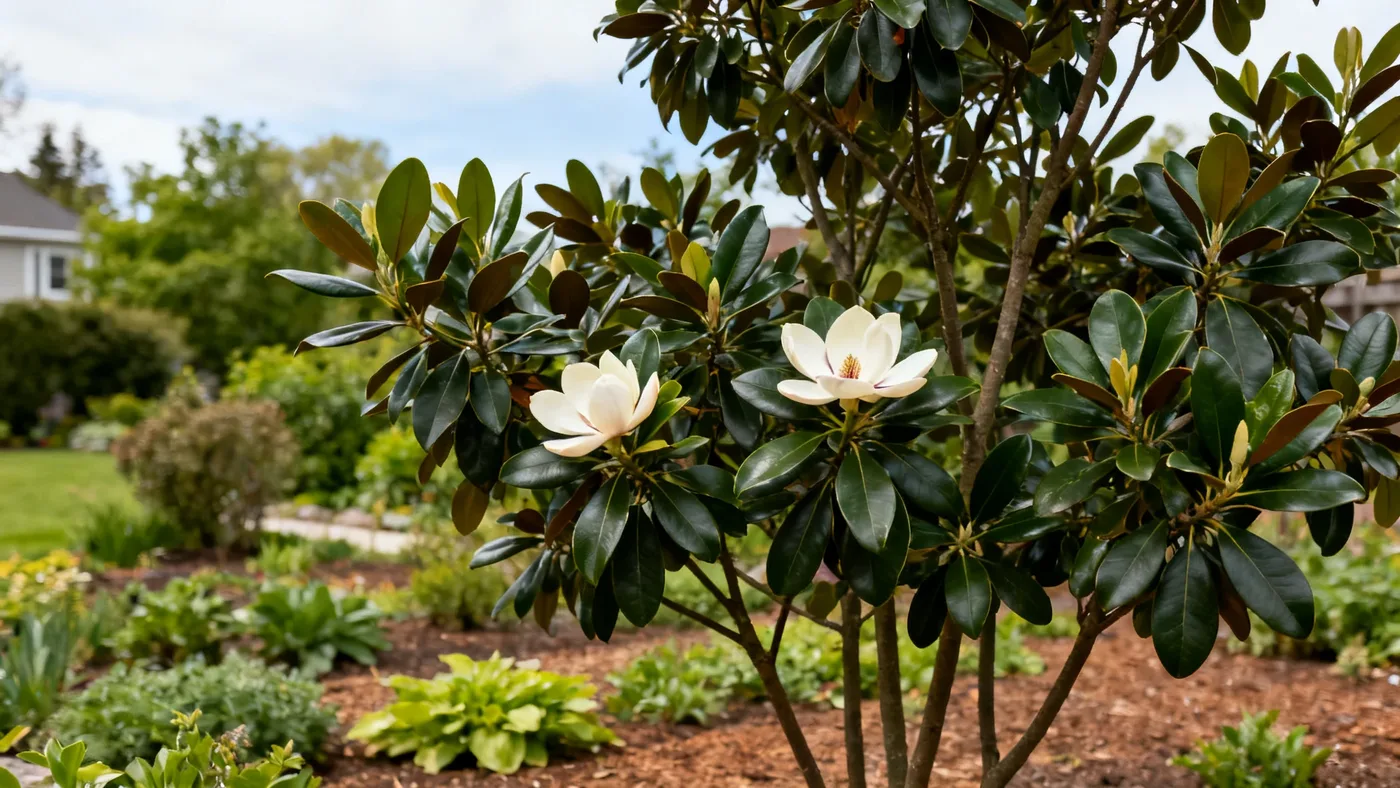
7 Common Jane Magnolia Problems and How to Fix Them
Jane Magnolia is a reliable, low-maintenance shrub that rewards good siting with years of reliable spring color. But like any plant, it faces a handful of recurring challenges. Knowing what to look for and acting early makes the difference between a thriving specimen and one that struggles through the season. This guide walks through the most common jane magnolia problems you'll encounter, what causes them, and exactly how to fix them.
1. Frost Damage to Spring Flowers
Jane Magnolia blooms mid-to-late spring, which is later than star magnolia and designed to sidestep early hard frosts. But in some years, an unexpected cold snap arrives after buds have already opened, leaving you with blackened, papery petals by morning. This happens because the delicate flower tissue freezes, and no amount of watering afterward will reverse the damage.
The best defense is siting. Plant Jane Magnolia on a north-facing or east-facing slope if possible, not in a frost pocket (the lowest point of a yard where cold air pools). Avoid planting directly upwind of heat sources like south-facing walls, which trick the plant into blooming even earlier. If you live in zone 4 or 5 and late spring frosts are routine in your area, accept that you may lose some flowers every few years. It is not a disease or a care failure; it is the cost of growing this plant in a marginal climate.
Practical fix: Plant in a higher elevation spot. Prune out dead flower parts once you confirm they will not recover (usually within 2 to 3 days of the frost). The tree will push out new growth and often rebloom lightly in summer.
2. Chlorosis and Yellowing Leaves
Leaves turn pale yellow with darker green veins, starting on new growth. This is chlorosis, and it signals that Jane Magnolia cannot absorb iron from the soil, usually because the soil pH is too high. Jane Magnolia prefers slightly acidic to neutral soil (5.5 to 6.5 pH). Above 7.0, iron locks up and becomes unavailable, even if it is present in the soil.
Check your soil pH with an inexpensive kit from a garden center, or send a sample to your local extension service for a detailed report. If pH is above 6.5, you have a few options. Lower pH by amending the soil with elemental sulfur applied in fall; follow package rates and expect results over one to two years. Alternatively, apply a chelated iron spray to the foliage in early spring for a quick fix that will green up the leaves within days, though it does not address the underlying pH problem. Avoid liming the soil if your soil pH is already neutral, as many jane magnolia owners do without realizing it.
Practical fix: Test soil pH. If above 6.5, apply chelated iron spray this spring for immediate color, then add sulfur in fall. Repeat annually if pH cannot be lowered permanently.
3. Flower Bud Damage from Wind
Jane Magnolia produces fuzzy flower buds on bare branches throughout winter and early spring. These buds are fragile. Strong wind can snap them off or bruise them, killing the flower before it ever opens. If your plant blooms sparsely one year after a particularly windy spring, this is likely why.
Wind damage is most concerning in exposed locations. If you have space, plant Jane Magnolia where it has some shelter from the north or west, perhaps near a fence or taller shrubs. Avoid open, windswept hilltops unless you accept fewer flowers as a trade-off for the view. Mature size reaches 10 to 15 feet tall, so plan accordingly when choosing placement. Pruning is another factor. If you prune jane magnolia in late summer or fall, you stimulate new growth that does not have time to harden off, and those tender new buds are even more vulnerable to wind damage. Prune only immediately after flowering, when buds for next year have already set on old wood.
Practical fix: Plant in a sheltered location. Prune only right after spring bloom. Accept some bud loss in unusually windy years as normal.
4. Scale Insect Infestations
Scale insects attach to stems and leaves, looking like tiny bumps or crusts. They weaken the plant by sucking sap, and heavily infested plants may have yellowed, thinned foliage or sparse branching. Scale insects are more common in stressed plants, so the first step is to ensure your jane magnolia has consistent moisture during the growing season. Do not let it dry out, especially in the first year after planting.
For light infestations, prune out infested branches if possible. For heavier pressure, spray the entire plant with horticultural oil in early spring before leaves fully expand, and again two to three weeks later. Oil suffocates the insects but must contact them directly, so thorough coverage is essential. Spray when temperatures are between 40 and 85 degrees Fahrenheit to avoid burn. Do not spray if rain is expected within 48 hours. Repeat applications may be needed over one or two seasons, especially if the plant is still stressed.
Practical fix: Water consistently to keep the plant vigorous. Prune heavily infested branches. Apply horticultural oil in early spring, repeat in 2 to 3 weeks if needed.
5. Magnolia Weevil Damage
Magnolia weevils are occasional regional pests that feed on leaves and buds, creating irregular holes or notches. They are more common in warmer regions and some years see outbreaks while others are quiet. Most jane magnolia plantings never encounter them, but if you see characteristic small holes or notched edges appearing suddenly on multiple leaves, weevil may be the culprit.
Monitor closely in late spring and early summer. If you catch an infestation early, hand-picking adults (they are active at dawn and dusk) or shaking branches over a sheet can reduce populations. For larger infestations, apply a pyrethrin-based insecticide according to label directions. Ensure the plant is well-watered and receives full sun, as stressed plants attract more weevil pressure. Most infestations are minor and the plant recovers quickly once the weevil population declines naturally, which often happens within a single season.
Practical fix: Monitor for notched leaves starting in late spring. Hand-pick adults if numbers are low. Spray pyrethrin for heavy infestations. Ensure consistent watering and full sun exposure.
6. Leaf Spot Fungi
Circular or irregularly shaped brown or tan spots appear on leaves, sometimes with a darker border or a lighter halo. Leaf spot fungi thrive in cool, wet springs and in plants that stay wet overnight. If your jane magnolia is crowded or planted where air circulation is poor, fungal issues are more likely.
Prevention is the easiest remedy. Water at the base of the plant in the early morning, never overhead, to keep foliage dry. Ensure the plant has adequate spacing so air can move through the canopy. Jane Magnolia reaches 8 to 12 feet wide at maturity, so do not plant it too close to walls or neighboring shrubs. If leaf spots do appear, remove affected leaves or branches if only a small portion is affected. Fungal spots rarely kill the plant and often clear up on their own as weather changes. Only if infection is severe and spreading rapidly should you apply a copper or sulfur fungicide, following label directions carefully and never spraying in full sun or when temperatures exceed 85 degrees Fahrenheit, as this can burn foliage.
Practical fix: Water at the base only. Ensure good air circulation by spacing plants 10 to 15 feet apart. Remove heavily spotted branches. Spray fungicide only if infection worsens rapidly.
7. Little or No Flowering
You planted Jane Magnolia expecting a spring show, but few or no flowers appear. This is frustrating, but the cause is usually one of three things: insufficient light, improper pruning, or age. Jane Magnolia flowers best in full sun. Partial shade will not kill the plant, but it may bloom sparsely or not at all. Check that the plant is receiving at least six hours of direct sun daily; if not, consider cutting back overhanging branches from nearby trees.
Pruning at the wrong time is another common culprit. Jane Magnolia sets flower buds for next spring on old wood shortly after this spring's bloom ends. If you prune in late summer, fall, or winter, you are cutting off those buds. Prune only immediately after flowering finishes, around late May in most zones. Finally, young nursery-grown plants often take one to three years to reach flowering size, and some young plants may not flower their first year after planting. This is normal and not a sign of a problem. Once established, Jane Magnolia will bloom reliably for decades.
Practical fix: Ensure six hours of direct sun daily. Prune only right after spring bloom. Be patient if the plant is young. For a detailed approach to timing and ongoing care, see the complete jane magnolia care guide for every season.
Quick Reference: Problem Identification and Action
| Problem | Symptoms | Action |
|---|---|---|
| Late frost damage | Blackened, papery petals after spring freeze | Site in sheltered, higher location. Prune dead flowers. Expect rebloom in summer. |
| Chlorosis | Pale yellow leaves with green veins on new growth | Test soil pH. Apply chelated iron spray. Add sulfur if pH is above 6.5. |
| Wind damage to buds | Few or no flowers after windy spring; buds snapped off | Plant in sheltered spot. Prune only after bloom. Accept some loss in exposed sites. |
| Scale insects | Tiny bumps on stems and leaves; yellowed, sparse foliage | Ensure consistent watering. Prune infested branches. Spray horticultural oil in spring. |
| Magnolia weevil | Notched leaves and small holes appearing suddenly | Monitor in late spring. Hand-pick or shake branches. Spray pyrethrin if severe. |
| Leaf spot fungi | Brown or tan circular spots on leaves, sometimes with halo | Water at base only. Improve air circulation. Remove affected leaves. Spray fungicide only if severe. |
| No or sparse flowering | Plant produces little to no bloom despite age | Ensure six hours direct sun. Prune only after bloom. Wait one to three years if plant is young. See care guide for ongoing timing. |