Can You Eat Jane Magnolia Flowers? A Culinary Curiosity
A customer sent us this after a spring windstorm: "I have a bowl of Jane petals on the counter. Can I eat them, or do I toss them?" It is a fair question, because the petals look clean and smell lovely. Looking clean and smelling lovely is not the same as being cleared for the table.
Our answer is cautious. Jane is a landscape shrub first, and the sources we trust do not call it a food plant. Some cooks pickle or steep magnolia petals, so the curiosity is real.
We'll walk you through which parts are in play, what flavor to expect, how to judge a bloom and set up a small pickling job, then when to flavor instead of eat and when to skip it all.
Start With the Petals and Buds of Jane Magnolia
The only parts worth discussing in a kitchen are the petals and the unopened buds. Leaves, bark, roots and the fruit stay out of this guide. The fruit is a pickle-shaped aggregate that goes from green to pink to red on magnolia hybrids, but that is a description of its shape, not an invitation. We are not covering it.
This is strictly a harvest and kitchen topic. We make no health or medicinal claims about Jane, and you should ignore anyone who does.
What You Are Working With
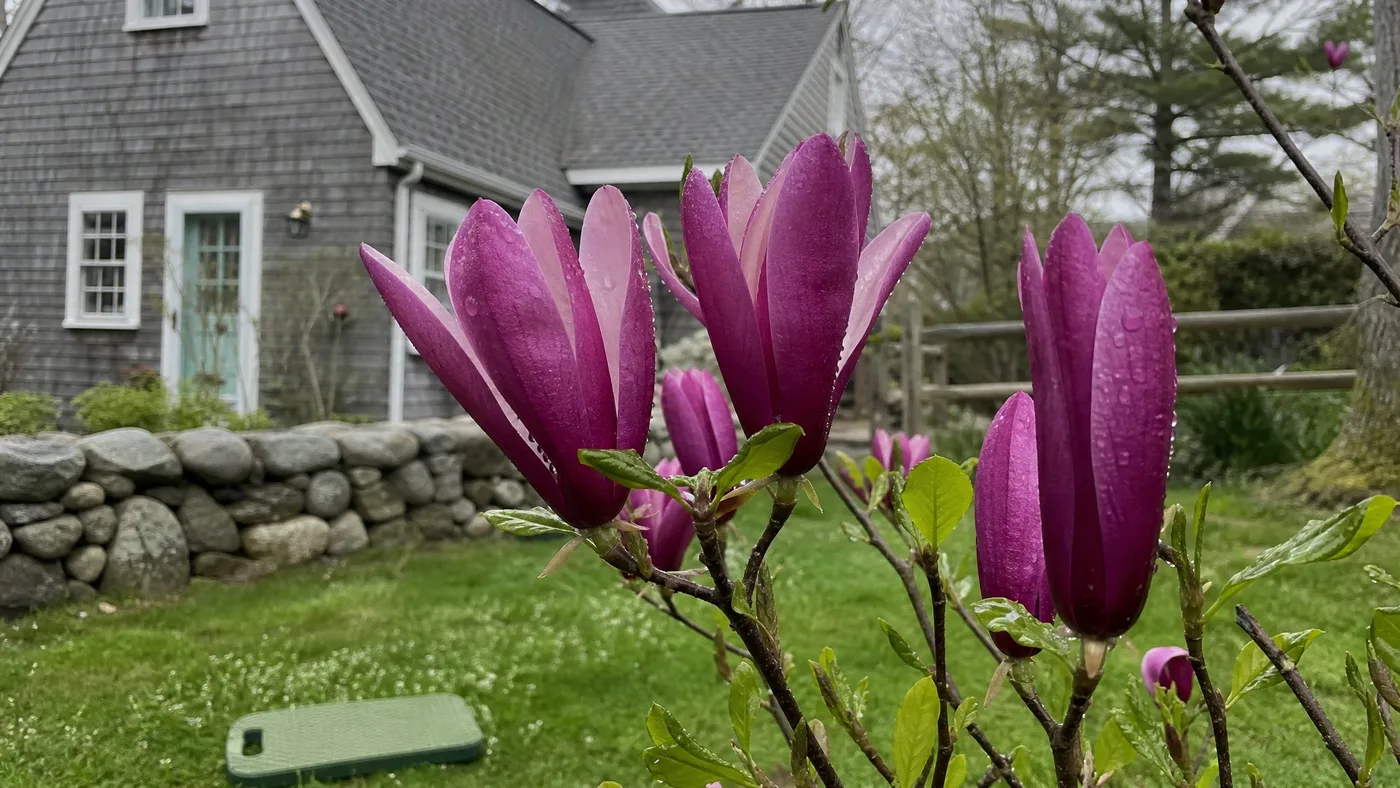
Jane's cup-shaped flowers are reddish purple outside and white inside, and they are fragrant. That two-tone color matters in the kitchen. The purple outer surface can tint a brine, while the white inner face is what you see when petals are cut or torn.
A bud is a tight, closed package. A petal is a flat piece you can wash, trim and handle individually. For a first try, petals are easier to inspect on both sides, which is why we start there.
Where Our Confidence Ends
Here is the honest limit. The pet-safety listing we can cite covers star magnolia, one of Jane's parents, and it says nothing about people eating anything. Jane is a hybrid of two parents, so a species listing does not become a recipe approval. If you want the pet and child angle, our guide on whether Jane is toxic to dogs, cats or kids covers what the sources say.
What to Expect From Jane Magnolia Flavor
The flavor you will read about for magnolia petals in general is gingery and sharp, with a floral edge, and cooks who use them tend to describe the heat as quick and the aroma as the main event. We cannot confirm that for Jane, because none of our sources taste-test it. Treat it as a reasonable guess and let your own small sample decide.
What we can speak to is the scent. Jane's blooms are fragrant, and in our rows a warm spring afternoon fills the air near the plants. Scent and taste travel together in petals, so a strong smell usually means a strong flavor if you do eat one.
Why Timing Changes What You Taste
Jane is late for a magnolia. The Little Girl Series flowers from mid-April to early May, about two to four weeks later than the parent species. A fresh, just-opened petal is the one to judge. A petal that has hung on for days, been rained on or gone limp has lost much of what you are after.
If the petal tastes bitter or soapy, stop there. Do not try to fix a bad petal with more brine or more sugar. Our bloom time guide explains how long each flower lasts, which helps you plan the pick.
Taste Small, Then Wait
Take a piece about the size of a thumbnail, chew it, and give it time before deciding anything. If it is pleasant, you have a seasoning. If it is harsh, you have an ornamental, and that is a perfectly good outcome for a shrub that blooms this well.
Pick Blooms Free of Spray and Frost Damage
Safe harvesting is mostly a question of what has touched the flower. Pick only from a plant you know has never been sprayed with insecticide, fungicide or weed killer, including drift from a neighbor. If you did not grow it or cannot vouch for its history, it does not go in your kitchen. Public parks, roadsides and rental yards fail this test by default.
Then check the flower itself. Late frost is the usual spoiler on Jane. Our guide on common Jane problems covers frost browning, and a browned petal is damaged tissue, not a seasoning.
The table below turns what you see into a decision.
| What you see | What it usually means | Decision |
|---|---|---|
| Brown or translucent edges | Frost or wind injury | Skip that bloom |
| Sticky film or residue | Insects or a past spray | Skip the whole plant |
| Petals on the ground | Wind, but contact with soil and debris | Skip unless you saw them fall |
| Crisp, fresh bloom just opened | Best condition | Pick a few |
Confirm the Plant Is Jane
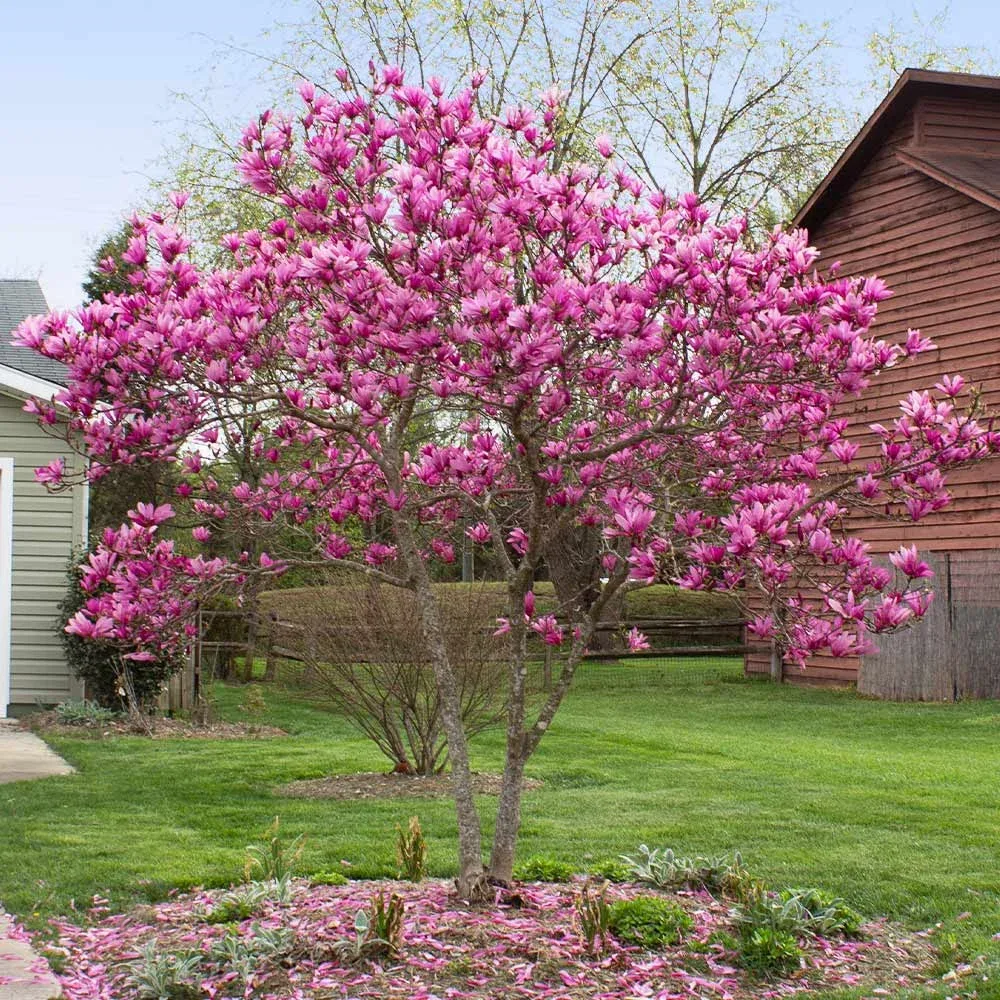
Check identification before you pick. Jane is a cross between Magnolia liliiflora 'Reflorescens' and Magnolia stellata 'Waterlily', and it grows to about 15 feet tall and 12 feet wide. A tall tree with huge flowers is not Jane. Our guide comparing it with saucer and tulip magnolias shows the differences, and a wrong ID is a reason to stop, not to guess.
One practical point on timing. Pick in the morning after the dew has dried, from flowers that opened that day or the day before, and carry them in a shallow container, not a closed bag.
Tools for Washing, Trimming and Pickling
You do not need much, but each item has a job. Keep the setup simple and clean, because a small batch is easier to judge than a big one.
- A colander or wide bowl of cool water for rinsing each petal individually. Lift them out instead of pouring, so grit stays behind.
- A small, sharp knife and a cutting board for trimming the base of each petal, where the tissue is toughest and holds dirt.
- Clean glass jars with tight lids, washed and kept hot until you fill them.
- A brine of vinegar, water, salt and sugar, made from a tested recipe. We do not give ratios here, because we cannot source them. Your state extension service publishes tested pickling guidance.
- Clean paper towels for blotting petals dry before they go into the jar.
What Each One Protects
Rinsing removes dust and insects. Trimming removes the tough, gritty base. Hot, clean jars and a tested brine protect the food-safety side, which is where home pickling goes wrong most often. If you do not have the jars or a tested recipe, wait. The petals will not be there next week, but the next bloom season will come.
One tip from our rows: tear one petal from a single flower, not from a bundle. That keeps each pick traceable if something looks off later.
How Cooks Pickle Jane Magnolia Petals
In some cuisines, magnolia petals are pickled and served as a relish or a side. The practice is documented for other magnolias, and we cannot say Jane is traditional. If you try it, treat it as an experiment with a few petals, and follow these steps.
- Pick a few fresh, unsprayed blooms in the morning and inspect each petal on both sides.
- Rinse the petals one at a time in cool water and blot them dry.
- Trim off the tough base of each petal.
- Make a tested brine and fill clean, hot jars according to that recipe.
- Pack the petals loosely, cover them with brine and seal.
- Label the jar with the date and plant name, and open it only after the time your recipe calls for.
If This, Then That
If the petals turn limp in the jar, you packed them too tightly or used old blooms, so use fresher ones next time and pack loosely. If the brine turns purple, that is the outer color of the flower bleeding out. Trim away more of the purple edge if you want a paler result.
If the taste is too sharp, cut the petals into thin strips and mix them into a milder side instead of serving them whole. If the flavor is faint, the petals were likely too old or the batch was too small to matter, and a larger batch will not fix a weak petal.
If the jar smells off, looks cloudy or swells, throw it out. Do not taste it to find out.
When Flavoring Beats Eating Whole Petals
For most people, a petal works better as a seasoning than as a main ingredient. A whole petal is mostly water and fiber with a strong, brief flavor, and a plateful of them is a lot to ask of anyone. Our position is plain: flavor with a little, garnish with a little, and stop there.
Think of Jane's petals the way you would think of a pinch of a strong herb. A few thin slivers on a salad or a dessert add color and scent without making the dish about the flower. The white inner face looks best when you tear the petal so that side shows.
Infusing Instead of Eating
If you want the aroma and not the texture, steep a few petals in warm liquid, such as syrup or vinegar, then strain them out. This also takes the guesswork out of chewing a tough petal. It works best with fresh blooms, picked at their peak and used the same day.
Whatever you do, keep the first batch small enough to taste on its own. A garnish on a dish for guests is not the place to find out how a petal behaves.
Why We Lean This Way
Common advice says that if a plant is not poisonous, it is fine to cook with. We do not follow that. Non-toxic to a dog is a statement about a dog, and a pet-safety listing of star magnolia as non-toxic to dogs, cats and horses says nothing about your dinner plate. Use petals sparingly because we cannot verify more than that.
If You Are Unsure, Leave Jane Magnolia Alone
Skipping the harvest is a good answer, and often the right one. Use these rules and do not talk yourself out of them.
- If you cannot say for certain the plant has never been sprayed, do not pick it. Ask the previous owner or the landscaper if you bought the property recently.
- If you are not sure it is Jane, leave it. A wrong identification is the one mistake you cannot fix after the fact.
- If the bloom shows frost damage, discoloration, residue or insect activity, leave it.
- If this is your first time tasting a magnolia petal, take only a thumbnail-size piece and wait before eating more.
- If you have allergies, a medical condition or are cooking for someone who does, ask your own doctor first. We cannot advise on that.
When You Have Doubts About Where It Came From
Nursery plants are another case. Plants bought at a store may have been treated before they reached you, and that treatment can persist through the first season. Wait a full growing season, and ask the seller what was used.
If the plant is young, let it grow instead. Jane is slow-growing, and a young shrub with only a few flowers gains more from keeping them. Our care guide shows how to get a bigger, stronger bloom for next year.
Kitchen Notes for Jane Magnolia Blooms
Harvest only petals, and only a few. Pick from a plant you know, with a history you can vouch for, on a fresh morning after a dry night. Rinse, trim, taste a sliver, and use a tested brine if you pickle.
Flavor with a pinch instead of building a dish around the flower. Hold back whenever the plant, the spray history or the bloom is in doubt. Our rule of thumb is plain: pick small, taste a little, and stop if anything about the bloom is in doubt.
Jane Magnolia
Nursery-grown Jane Magnolia in sizes from 1 Gallon 1-2 Feet Multi Stem, shipped to your door.
From $80.55
Shop Now →Out in our rows, Jane gets full sun to partial shade and a soil that drains well but still holds moisture. It copes with heavy clay and suits USDA zones 4 through 8. Each plant we ship was grown right here, never bought in, so if this guide has you thinking of a Jane to nibble beside, have a look through our shop when planting time comes.