Is Jane Magnolia Toxic to Dogs, Cats or Kids?
If you're considering a Jane Magnolia for your garden and have young children or pets, toxicity is a natural concern. The good news: Jane Magnolia is not known to be toxic to dogs, cats, or people, according to the American Society for the Prevention of Cruelty to Animals (ASPCA). This makes it a safer choice for family gardens where pets roam and kids explore. However, "non-toxic" doesn't mean consequence-free, ingestion can still cause mild digestive upset in some animals, and any plant material in the mouth deserves attention. This guide addresses the most common questions about Jane Magnolia safety so you can plant with confidence.
General Toxicity & Pet Safety
Is Jane Magnolia toxic to pets?
No. The ASPCA lists Magnolia species as non-toxic to dogs and cats. Jane Magnolia is a hybrid cultivar (Magnolia 'Jane') that carries the same safety profile as its parent species, making it a pet-safe ornamental choice for homes with animals.
Is Jane Magnolia poisonous to cats?
Jane Magnolia is not poisonous to cats. The ASPCA database does not list any magnolia species as toxic to felines, so your cat can safely be in a garden where Jane Magnolia grows.
Can I plant Jane Magnolia in a dog-friendly garden?
Yes, Jane Magnolia is dog-safe and suitable for yards where dogs spend time. Unlike some ornamental plants (sago palm, lily of the valley, or foxglove), Jane Magnolia poses no known toxicity risk to canines, even if your dog occasionally chews on fallen leaves or twigs.
What does "non-toxic" mean in plant safety?
Non-toxic means a plant is not known to contain compounds that cause poisoning or serious systemic harm when ingested. However, non-toxic plants can still trigger mild stomach upset, vomiting, or diarrhea in sensitive pets if eaten in large amounts, especially if the plant material is difficult to digest. The distinction matters: non-toxic is different from "perfectly safe to eat in unlimited quantities."
Dogs & Jane Magnolia Toxicity
Is Jane Magnolia safe for dogs?
Yes, Jane Magnolia is safe for dogs. No toxins specific to dogs have been identified in Jane Magnolia foliage, flowers, or wood. If your dog nibbles leaves or chews small branches out of curiosity or boredom, toxicity is not a concern.
What if my dog eats Jane Magnolia leaves?
If your dog eats a few Jane Magnolia leaves, monitor for mild signs like vomiting or loose stool, which are rare and usually temporary. Contact your veterinarian if your dog consumes a large quantity of leaves or shows persistent signs of stomach upset, the concern is digestive irritation, not toxin poisoning.
Can dogs chew on Jane Magnolia bark or twigs?
While the bark is not toxic, chewing on twigs can splinter and cause choking or intestinal blockage in large dogs or those that don't chew carefully. This is a mechanical injury risk, not a toxicity risk, discourage the behavior by pruning low-hanging branches and redirecting your dog to chew toys instead.
Are Jane Magnolia flowers safe for dogs?
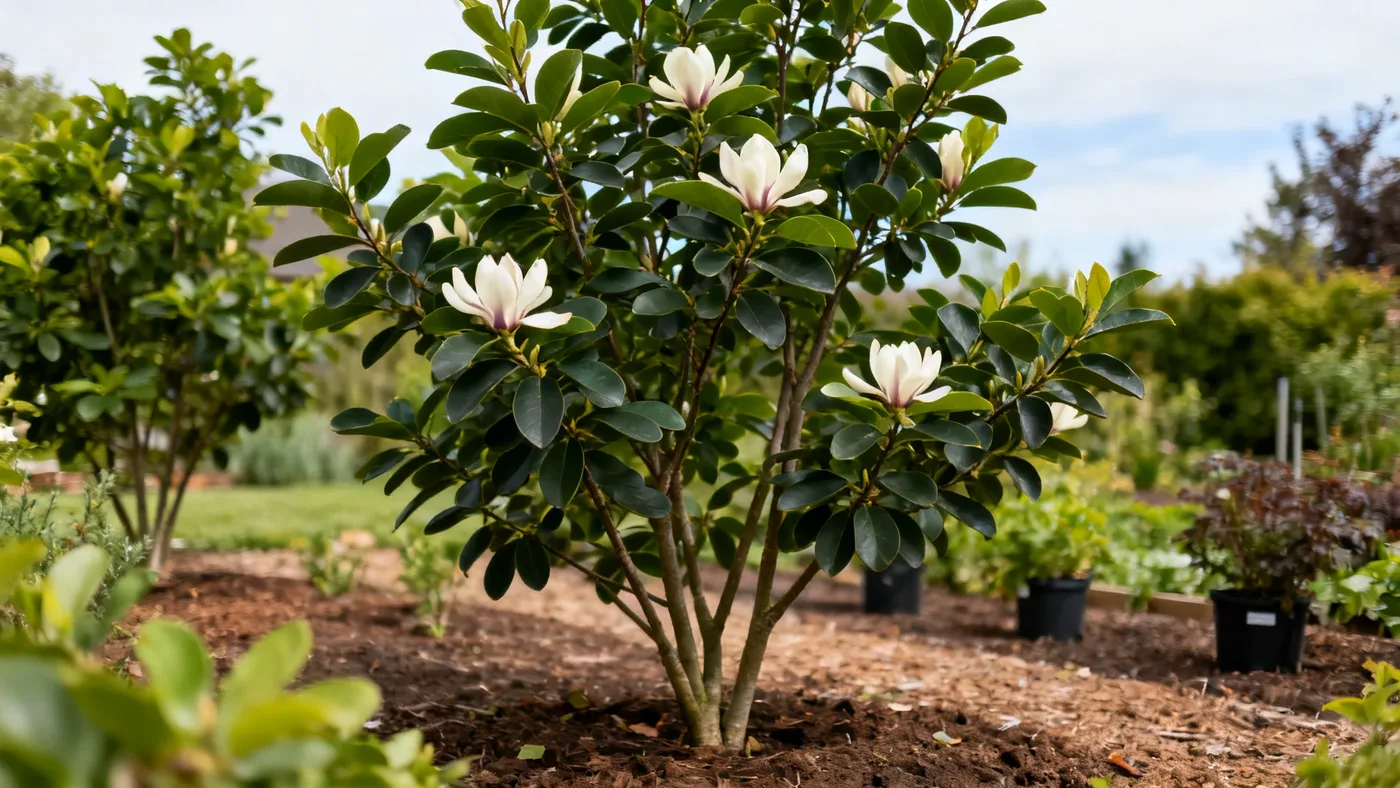
Yes, the reddish-purple flowers and white centers are non-toxic to dogs. Dogs occasionally show interest in flowers, especially the fragrant blooms, but swallowing fallen petals poses no poisoning risk, though large amounts might cause minor digestive upset.
Cats & Jane Magnolia Safety
Can cats safely be around Jane Magnolia plants?
Yes, cats can safely be around Jane Magnolia. The plant is not toxic to felines, and most cats show little interest in chewing magnolia leaves or flowers compared to other plants like grass or catnip.
What if my cat ingests Jane Magnolia leaves?
Ingestion of small amounts of Jane Magnolia foliage is unlikely to cause harm. Watch for mild vomiting or diarrhea if your cat ate a significant quantity, and contact your veterinarian if symptoms persist or if your cat shows signs of lethargy or loss of appetite.
Is Jane Magnolia toxic to kittens?
Jane Magnolia is not toxic to kittens, though young cats are more vulnerable to digestive upset from plant material because their systems are still developing. Provide supervision if kittens have outdoor access to the plant, and use barriers or placement to discourage chewing.
Children & Jane Magnolia Safety
Is Jane Magnolia safe for kids?
Yes, Jane Magnolia is safe for children. The ASPCA lists magnolia species as non-toxic to people, so accidental ingestion of leaves, flowers, or bark poses no poisoning risk to kids, though supervision is always wise for young children in the garden.
What if a child eats Jane Magnolia leaves?
Accidental ingestion of a few magnolia leaves is not toxic to children. If a large quantity is swallowed, mild stomach upset or nausea might occur due to the plant's fibrous texture and bitter taste, but no toxins will cause serious harm. Contact Poison Control (1-800-222-1222 in the U.S.) if you're concerned, though they will confirm the plant is non-toxic.
Are Jane Magnolia flowers safe to touch or taste?
Yes, the flowers are safe to touch and taste. Children naturally curious about the plant's mild, sweet fragrance can safely smell the blooms and handle petals without risk of poisoning.
Plant Parts & Ingestion Details
Which part of Jane Magnolia is least safe?
No part of Jane Magnolia is toxic, though the twigs and bark present mechanical injury risks (splinters, choking) rather than toxicity risks. The leaves are the most likely to be nibbled by pets, but they are entirely non-toxic.
Do Jane Magnolia fruits pose any safety risk?
Jane Magnolia produces seed pods (follicles) in late summer that may be attractive to children and pets, but the pods themselves are not toxic. However, they are fibrous and not intended for eating, remove them from reach if your young children treat the garden as a snack zone.
Is magnolia wood safe to chew on?
Magnolia wood is non-toxic, but splinters pose a physical hazard, especially for dogs. A dog chewing on a magnolia twig might swallow splinters that cause intestinal irritation or blockage. It's best to limit chewing access through pruning or barriers.
Safe Landscaping Practices
How should I position Jane Magnolia in a pet-friendly yard?
Plant Jane Magnolia in a spot where dogs are less likely to chew lower branches, at least 10 feet away from high-traffic pet zones. Mature Jane Magnolia grows 10-15 feet tall and 8-12 feet wide, so spacing it appropriately reduces temptation. Keep the area around the base free of fallen twigs and branches.
Should I fence off a newly planted Jane Magnolia from pets?
Young nursery-grown plants (often in quart or #1 containers initially) don't require fencing since Jane Magnolia is non-toxic, but protecting them from damage by dogs is wise, create a small barrier to prevent trampling and chewing while roots establish. Once the plant is mature, fencing is unnecessary for safety reasons.
Can I plant Jane Magnolia as a hedge near a children's play area?
Yes, Jane Magnolia works well as a border or hedge in family landscapes. Space plants 10-15 feet apart for a screen effect, and they'll grow into an attractive, non-toxic living barrier. Unlike toxic plants like yew or privet, Jane Magnolia poses no serious risk if kids brush against it or accidentally taste a leaf.
What to Do if Ingestion Occurs
My pet ate Jane Magnolia, should I call a vet?
Since Jane Magnolia is non-toxic, toxin poisoning is not a concern. However, contact your veterinarian if your pet shows persistent vomiting, diarrhea, lethargy, or loss of appetite over several hours. These signs suggest digestive upset or a mechanical injury, not poisoning, but a vet can rule out blockage or other complications.
My child tasted Jane Magnolia leaves, is it an emergency?
No, it is not a poisoning emergency. Jane Magnolia is non-toxic to people, so accidental ingestion requires no medical intervention for toxicity. If your child shows unusual symptoms like severe vomiting, contact Poison Control (1-800-222-1222) for reassurance, though they will confirm the plant is safe.
How much Jane Magnolia material needs to be eaten to cause problems?
There is no documented toxic dose of Jane Magnolia because no toxins are present in the plant. Very large quantities of leaves or bark might cause mild digestive upset in sensitive animals due to the fibrous texture, but this is a mechanical issue, not a toxicity threshold.
Comparison to Other Magnolias & Similar Plants
Is Jane Magnolia safer than other magnolia species?
Jane Magnolia has the same non-toxic profile as other magnolia species like star magnolia (Magnolia stellata) and saucer magnolia (Magnolia x soulangeana). All magnolias are listed as safe by the ASPCA, so choosing between them comes down to size, bloom time, and landscape fit, not safety.
How does Jane Magnolia compare to toxic ornamentals?
Unlike yew, foxglove, or lily of the valley, which contain serious toxins, Jane Magnolia poses no poisoning risk. This makes it a far better choice for pet-owning families. For a complete guide to planting and caring for Jane Magnolia in your landscape, refer to the complete Jane Magnolia care guide for every season.
Quick Reference: Jane Magnolia Toxicity Summary
| Category | Status | Notes |
|---|---|---|
| Dogs | Non-toxic | Safe if ingested; watch for mechanical injury from twigs |
| Cats | Non-toxic | Safe; cats rarely show interest in foliage |
| Children | Non-toxic | Safe; accidental ingestion poses no poisoning risk |
| Flowers | Non-toxic | Mild, sweet fragrance; safe to touch and smell |
| Leaves | Non-toxic | Most likely to be nibbled; pose no toxin risk |
| Bark & Twigs | Non-toxic | Watch for splinters and choking hazards with dogs |
| Seed Pods | Non-toxic | Not intended for eating but safe if ingested |
| Mature Size | 10-15 ft tall, 8-12 ft wide | Plan spacing in pet-friendly yards accordingly |
| ASPCA Status | Non-toxic species | Listed as safe for pets and people |