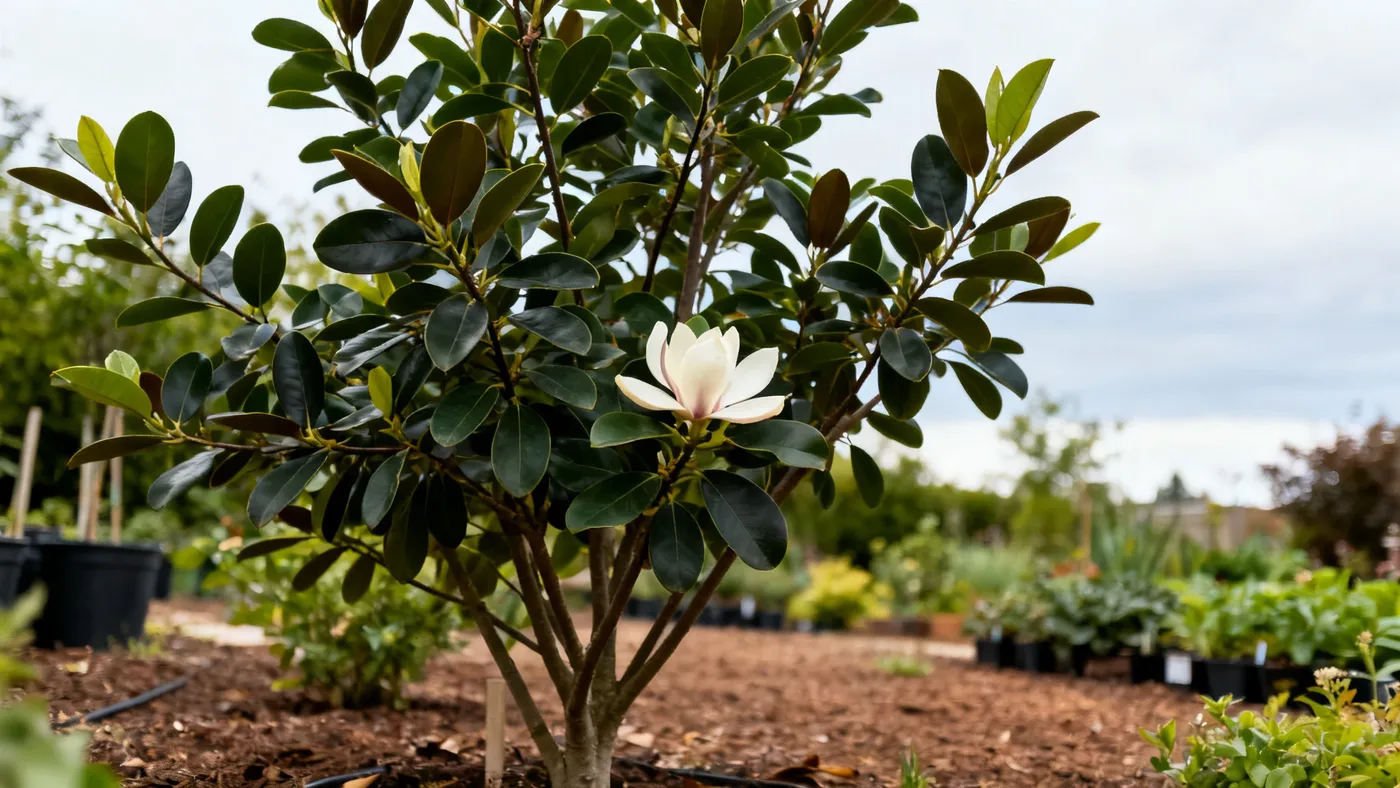
Jane Magnolia and the Little Girl Hybrids Compared
When you're shopping for a spring-blooming magnolia that won't dominate your landscape, the Little Girl series offers a range of compact options. Jane Magnolia draws interest as one of the later-blooming choices in the group, but how does she stack up against her siblings, and which Little Girl magnolia is the right fit for your garden?
What Is the Little Girl Series?
The Little Girl series comprises a group of hybrid magnolias bred at the U.S. National Arboretum, each named after a girl's first name. These hybrids combine Magnolia liliiflora (lily magnolia, from China) and Magnolia stellata (star magnolia, from Japan) as parent species. The result is a cohort of deciduous shrubs or small trees that mature in the 10-15 foot range, making them far more manageable than traditional saucer magnolia or other large species.
The main Little Girl cultivars include Jane, Ann, Betty, Judy, Randy, Ricki, Susan, and Pinkie. Each has its own bloom window, flower color, and form, but all share the series' defining traits: hardiness to USDA zones 4-8, moderate growth rates, and attractive late-spring or mid-spring flowering. For home gardeners accustomed to plants that run 30 feet or more, these hybrids feel almost like a different species in terms of practicality.
Jane Magnolia at a Glance
Jane typically reaches 10-15 feet tall and 8-12 feet wide when mature, with growth of roughly 1 foot per year. She blooms in mid-to-late spring, slightly after star magnolia but ahead of the larger saucers, which means her flowers often escape late frost damage. Her flowers are reddish-purple to purple-pink on the outside with white to pale pink or lavender interiors, and she offers a mild, sweet fragrance.
Jane thrives in full sun to part shade, though densest flowering and form come with full sun exposure. She needs consistently moist, well-drained, humus-rich soil, slightly acidic to neutral (pH 5.5-6.5 is ideal). Once established, she is not drought tolerant without supplemental water during dry spells. Young nursery plants often flower within 1-3 years, and she typically reaches full mature size in 10-15 years. With proper siting, she can live 50+ years.
Comparison Table: Little Girl Magnolias Side by Side
| Cultivar | Mature Height | Bloom Time | Flower Color | Bloom Duration | Winter Hardiness |
|---|---|---|---|---|---|
| Jane | 10-15 ft | Mid-to-late spring | Purple-pink outside, pale pink/lavender inside | Moderate, with sporadic summer rebloom | Zones 4-8 |
| Ann | 8-10 ft | Late spring (similar to Jane) | Dark purplish-red outside, white inside | Moderate, with occasional summer flowers | Zones 4-8 |
| Betty | 8-10 ft | Late spring | Deep purple-red flowers | Extended bloom period | Zones 4-8 |
| Judy | 10-12 ft | Late spring | Purple-red outer petals | Extended season | Zones 4-8 |
| Susan | 8-10 ft | Late spring (latest of the group) | Deep purple-red | Extended, excellent reblooming | Zones 4-8 |
| Ricki | 6-8 ft | Late spring | Purple flowers | Moderate | Zones 4-8 |
| Randy | 8-10 ft | Late spring | Purple-pink | Moderate | Zones 4-8 |
| Pinkie | 10-12 ft | Late spring | Pink flowers | Moderate | Zones 4-8 |
Jane vs. Ann: The Closest Comparison
Ann is the Little Girl cultivar most similar to Jane in appearance and behavior. Both bloom in late spring, have moderate growth rates, and reach similar mature heights in the 10-15 foot range. However, there are meaningful differences.
Ann typically stays slightly smaller (8-10 feet versus Jane's 10-15 feet), making her a better choice for tighter spaces. Ann's flowers are darker purplish-red on the outside with white interiors, whereas Jane leans toward reddish-purple with pale pink or lavender tones inside. Ann has been noted for reliable summer rebloom in many regions, while Jane offers sporadic light rebloom. Both share similar care requirements: consistent moisture, well-drained soil, acidic to neutral pH, and protection from late frost damage during their bloom window.
For gardeners torn between these two, the deciding factors usually come down to available space and flower color preference. If you have 8-10 feet available and prefer deeper red tones, Ann edges ahead. If you have 12-15 feet to fill and like the softer purple-pink shades, Jane is the stronger choice.
Jane vs. Betty, Susan, and the Darker Bloomers
Betty and Susan represent the deeper-colored end of the Little Girl palette. Both produce rich, dark purple-red flowers and both have earned reputations for extended or excellent reblooming, which means you get flowers not just in spring but again later in the season. Betty typically matures at 8-10 feet; Susan is similar in size and often cited as the latest-blooming cultivar in the series, pushing the bloom window even further into late spring.
Jane's lighter, more rose-toned flowers offer a softer landscape presence than Betty or Susan. If your garden leans toward cool purples and deep jewel tones elsewhere, Betty or Susan might harmonize better. Conversely, if you're pairing the magnolia with pastels, spring bulbs, or lighter perennials, Jane's intermediate tone strikes a different balance.
Reblooming frequency varies by climate and growing conditions. None of these cultivars should be planted with an expectation of predictable summer flowers, but in favorable sites (consistent moisture, full sun, established health), the deeper varieties seem to offer more reliable second flushes.
Jane vs. the Compact Varieties: Ricki and Pinkie
Ricki is the smallest of the Little Girl group, maxing out around 6-8 feet, making her ideal for tight spaces, narrow side yards, or container cultivation when young. Her purple flowers and compact habit make her a specialist choice for gardeners who need a true dwarf shrub.
Pinkie rounds out the group with pink flowers and a mature height of 10-12 feet. She offers a color option different from the red and purple dominants elsewhere in the series. Pinkie pairs well with shade gardens where her lighter blooms brighten shadier sections.
Jane sits between these extremes in size and offers a broader middle-ground choice if you want substantial presence without Pinkie's pink tones and without going as small as Ricki.
Care Needs and Growing Conditions: Are They Really the Same?
All Little Girl cultivars share the same core needs. They require USDA zones 4-8, medium consistent moisture, well-drained humus-rich soil, and slightly acidic to neutral pH (around 5.5-6.5). Salt tolerance is low across the group, making them poor choices for roadsides or areas where winter salt spray is an issue. Moderate deer resistance applies to the whole series; none are preferred browse plants, but hungry deer in harsh winters may nibble buds or young growth.
Minimal pruning is necessary for any Little Girl magnolia. If shaping is needed, prune right after flowering since flower buds for the next year set on old wood soon after bloom. Light annual feeding in early spring with a balanced, slow-release, acid-forming fertilizer formulated for trees and shrubs supports steady growth. For more detailed care guidance across all seasons, check our complete Jane Magnolia care guide for every season.
Regional pest and disease pressure varies. Scale insects, magnolia weevil (occasional and regional), leaf spot fungi, and canker may appear, but none are guaranteed on any single plant. Chlorosis can develop in soils that trend toward high pH or alkaline conditions. The most consistent challenge across all Little Girls is late frost damage to open flowers in some years, despite the series' later bloom timing relative to star magnolia.
Pros and Cons: The Trade-Offs at a Glance
Jane's Strengths: Mid-to-late spring bloom timing reduces late frost risk. Height of 10-15 feet offers visual presence without overwhelming small yards. Rose-toned flowers bridge the gap between pale and deep purples, suiting a wider range of companion plantings. Established plants can live 50+ years with proper care. Growing at roughly 1 foot per year makes her predictable in terms of maturation.
Jane's Challenges: Not drought tolerant; consistent moisture is mandatory. Low salt tolerance rules out coastal or high-salt-spray sites. Sporadic summer rebloom is less reliable than some sister cultivars. High-pH or alkaline soils cause chlorosis. Strong wind can damage flower buds.
When to Choose Ann Instead: Tighter space budgets favor Ann's 8-10 foot mature height. Darker flower tones and more reliable reblooming might suit your design goals.
When to Choose Susan or Betty Instead: Extended reblooming and darker flowers justify the choice if those traits align with your hardscape and companion plantings.
When to Choose Ricki: True compact needs (narrow side yards, containers for young plants, tight foundation beds) push toward Ricki's 6-8 foot final height.
When to Choose Pinkie: Pink-toned gardens or shade-heavy landscapes benefit from Pinkie's lighter hue and soft appearance.
Best For: Recommendations by Use Case
Small urban gardens (under 1,500 sq ft total): Ann or Ricki. Jane works if you have a 15-foot sight line without hemming her in on all sides.
Mixed shrub borders and multi-season interest: Jane or Susan. Pairing with azaleas, rhododendrons, or hostas gives you layered spring color plus reliable summer foliage contrast.
Specimen tree placement (focal point in lawn): Jane at her full 10-15 feet. Her form and winter buds shine on their own.
Shade gardens: Pinkie if you want a lighter tone; Jane if you prefer the middle-ground rose tones and have dappled light.
Coastal or high-wind sites: None of the Little Girls are ideal, but if magnolias are a must, choose a protected microclimate and monitor flower bud damage.
Gardens where reblooming is a priority: Susan or Betty over Jane. Expect rebloom in favorable years, not as a guarantee.
Gardeners in zones 4-5 (colder end of the range): All Little Girls are hardy, but Jane's later bloom window is a practical advantage because late spring frosts are less severe than early spring ones.
The Verdict
Jane Magnolia holds her ground as one of the most versatile Little Girl cultivars. She's not the smallest, not the darkest, not the most reblooming, but she occupies a practical middle ground that suits a broader range of gardens than any single alternative. Her mid-to-late spring timing reduces frost risk. Her 10-15 foot range offers presence without dominating a 0.25-acre lot. Her rose-purple tones harmonize with more color schemes than the deep purples or pinks.
The "best" Little Girl magnolia depends on your site constraints and aesthetic goals. Ann edges Jane for tight spaces. Susan and Betty earn preference if your garden design hinges on darker purples and reblooming. Ricki is the only choice for true compact niches. Pinkie fills the pink-toned niche.
But for a home gardener choosing a single magnolia without a specific limiting factor, Jane is the reliable, low-fuss default that will deliver spring color, winter interest, and decades of performance across zones 4-8.
Quick Reference: Little Girl Magnolia Selector
| Your Priority | Best Choice | Why |
|---|---|---|
| Smallest mature size | Ricki (6-8 ft) | Only true dwarf in the series |
| Compact without going mini | Ann (8-10 ft) | Slightly smaller than Jane, darker flowers |
| Balanced height and appearance | Jane (10-15 ft) | Mid-range size, mid-tone rose-purple, late bloom timing |
| Darkest flowers and reblooming | Susan or Betty | Extended bloom and summer reflush |
| Pink instead of purple | Pinkie (10-12 ft) | Only pink-flowered Little Girl option |
| Shade tolerance | Any (all tolerate part shade) | Full sun yields best flowering; Pinkie less demanding |
| Frost-resistant bloom timing | Jane or Susan | Bloom latest in spring, dodging earlier freeze events |
| Zone 4 reliability | Any Little Girl (all zones 4-8) | All equally winter hardy; Jane's later bloom is a practical plus |