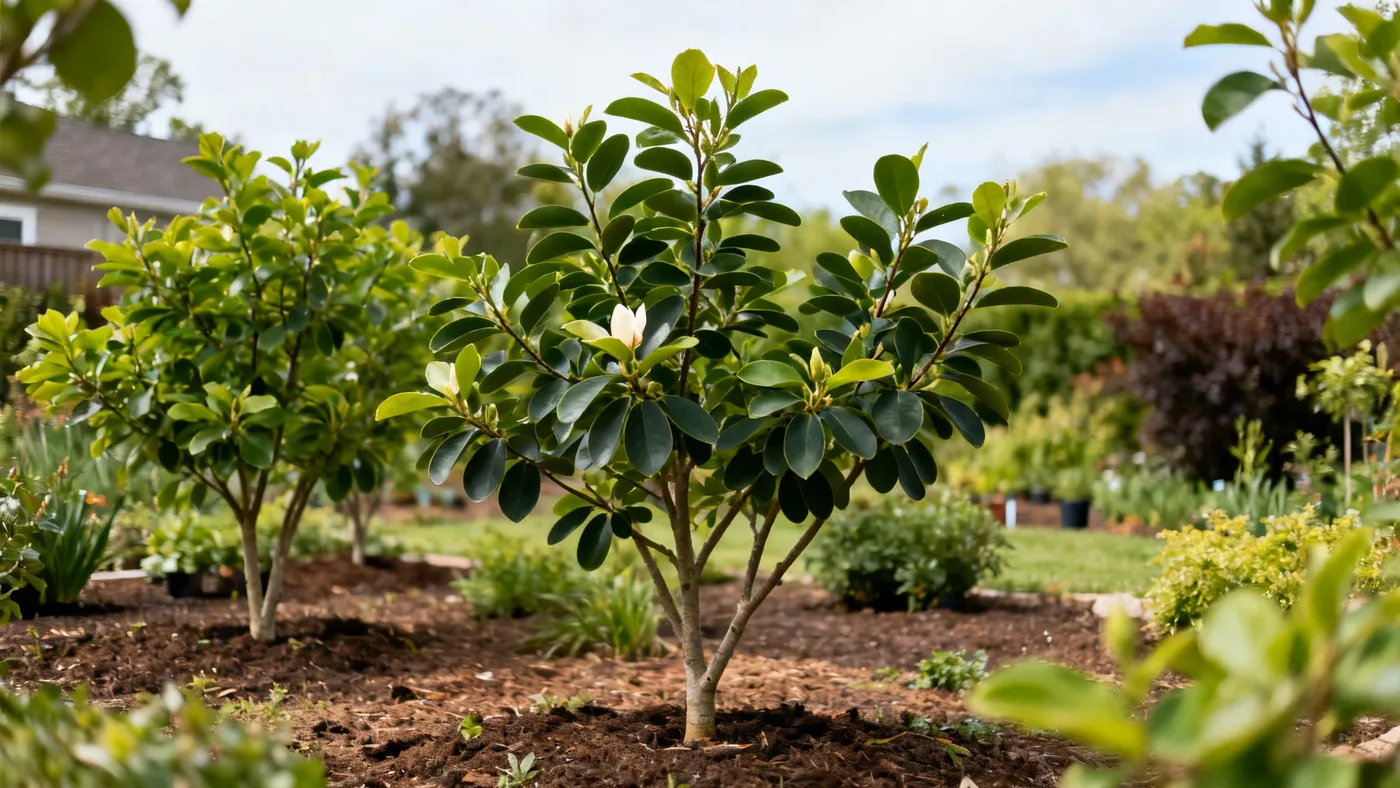
Jane Magnolia FAQ: 12 Most Common Questions Answered
Jane Magnolia is one of the most reliable spring bloomers for home gardeners, yet questions come up about planting depth, hardiness, flower timing, and care routines. This FAQ addresses the most common queries we hear about this deciduous shrub hybrid.
Planting and Site Selection
What soil does Jane Magnolia need?
Jane Magnolia prefers moist, well-drained, humus-rich soil that is slightly acidic to neutral (pH 5.5 to 6.5). The plant adapts well to loam and clay-loam soils as long as drainage is adequate. Soggy soil and poor drainage can lead to root issues, so amend heavy clay with compost or peat moss before planting.
How much sun does Jane Magnolia need?
Jane Magnolia performs best in full sun for densest growth and most abundant flowering. The plant tolerates part shade, but flowers will be fewer and the form less dense in shadier locations. For the showiest spring display, prioritize full sun when siting your plant.
When is the best time to plant Jane Magnolia?
Early spring or early fall are the optimal planting seasons for Jane Magnolia. These cooler periods allow roots to establish without heat stress. Avoid planting in hot summer or during the growing season when the plant is actively developing buds.
How far apart should I space Jane Magnolias?
If planting Jane Magnolia in groups, as a hedge, or as a screen, space plants 10 to 15 feet apart to account for their mature width of 8 to 12 feet. This spacing prevents crowding and allows air circulation.
Growth Rate and Mature Size
How big does Jane Magnolia get?
Jane Magnolia reaches a mature height of 10 to 15 feet, with some specimens reaching up to 20 feet in ideal growing conditions. The width typically ranges from 8 to 12 feet at maturity, creating a compact to moderate-sized shrub or small tree form.
How fast does Jane Magnolia grow?
Jane Magnolia is a slow to moderate grower, adding roughly 1 foot of height per year under good conditions. Most plants reach their full mature size in approximately 10 to 15 years, making this a patient gardener's choice.
How long until a young Jane Magnolia blooms?
Nursery-grown Jane Magnolia can flower within 1 to 3 years after planting, depending on the plant's age when purchased and growing conditions. Younger, smaller plants may take longer to reach flowering size than more mature specimens.
Bloom Time, Color, and Fragrance
When does Jane Magnolia bloom?
Jane Magnolia blooms in mid-to-late spring, typically later than star magnolia. This later bloom timing helps the flowers escape late spring frosts in many regions. You may also see sporadic light rebloom during the summer months.
What color are Jane Magnolia flowers?
Jane Magnolia flowers are reddish-purple to purple-pink on the outside and white to pale pink or lavender on the inside, creating a striking two-tone effect. The petals unfold gradually over several weeks, extending the display season.
Does Jane Magnolia have fragrance?
Jane Magnolia has a mild, sweet fragrance that many gardeners find pleasant, especially on warm spring days. The scent is noticeable up close but subtle compared to some other magnolia species.
Will Jane Magnolia bloom every year?
Yes, Jane Magnolia reliably blooms every spring once established. Heavy rain or late frost during bloom can reduce the flower count in any given year, but the plant's flowering habit is consistent and predictable.
Can late frost damage Jane Magnolia flowers?
Despite its later bloom timing compared to star magnolia, Jane Magnolia flowers can still be damaged by late spring frosts in some years. Siting the plant in a location that warms early (south or west exposure) may help minimize frost risk.
Hardiness and Climate
What USDA zones is Jane Magnolia hardy in?
Jane Magnolia is hardy in USDA zones 4 through 8. This range covers most of the northern and central United States, making it a reliable choice for gardeners in cold climates where tender magnolias would fail.
Is Jane Magnolia cold hardy?
Yes, Jane Magnolia is a cold-hardy deciduous shrub hybrid that survives winter in zones 4 through 8. The fuzzy flower buds are visible on bare branches all winter and are remarkably frost-resistant even in harsh climates.
Watering and Moisture
How much water does Jane Magnolia need?
Jane Magnolia requires medium, consistent moisture, especially during the first growing season after planting and during dry spells. Water deeply every 7 to 10 days in the absence of rain, keeping the soil moist but not waterlogged.
Is Jane Magnolia drought tolerant?
Jane Magnolia has low to moderate drought tolerance and should not be left without supplemental water for extended periods once established. In dry climates or during prolonged droughts, regular deep watering is essential to maintain health and flowering.
Fertilizing and Pruning
Does Jane Magnolia need fertilizer?
Light annual feeding in early spring with a balanced, slow-release, acid-forming fertilizer formulated for trees and shrubs will support growth and flowering. Most established Jane Magnolias do not require frequent fertilization if planted in decent soil.
How should I prune Jane Magnolia?
Jane Magnolia requires minimal pruning because it naturally develops an attractive form. If shaping is needed, prune right after flowering, since the plant sets flower buds for the following year on old wood very soon after bloom ends.
Pests, Diseases, and Common Problems
Is Jane Magnolia prone to pests or diseases?
Jane Magnolia can be affected by scale insects and occasionally magnolia weevils (regional). Fungal leaf spot and canker may occur in wet conditions, but these are generally minor issues. Good air circulation and proper watering help prevent most disease problems.
Will deer eat Jane Magnolia?
Jane Magnolia has moderate deer resistance and is occasionally browsed, but it is not a preferred deer food. In areas with heavy deer pressure, young plants may still need protection, but mature established plants are less vulnerable.
What causes chlorosis in Jane Magnolia?
Chlorosis (yellowing of foliage) typically develops in high-pH or alkaline soils where iron becomes unavailable to the plant. If your soil is too alkaline, amend it with sulfur or use a chelated iron spray to correct the problem.
Why do flower buds drop or break in wind?
Strong wind can damage or strip fuzzy flower buds before they open, reducing the spring display. Siting Jane Magnolia in a location sheltered from harsh winter and early spring winds helps protect the buds.
Landscape Uses and Companions
What plants pair well with Jane Magnolia?
Azaleas, rhododendrons, hostas, and spring bulbs like daffodils are excellent companions for Jane Magnolia. These plants share similar soil and moisture preferences and complement the magnolia's spring bloom with their own color and texture.
Is Jane Magnolia good for small gardens?
Yes, Jane Magnolia is well suited to small spaces and urban gardens, especially compared to larger magnolia species. Its eventual size of 10 to 15 feet and slow growth rate make it manageable for residential landscapes and foundation plantings.
Is Jane Magnolia toxic to pets?
No, Jane Magnolia is not known to be toxic to pets or people according to the ASPCA. The plant is safe to grow around cats, dogs, and children.
Container Growing and Lifespan
Can I grow Jane Magnolia in a container?
Young Jane Magnolia plants can be grown in large containers when first purchased, but the plant is best transplanted to the ground as it matures. Containers eventually become too confining for the root system and limit the plant's growth potential and longevity.
How long does Jane Magnolia live?
Jane Magnolia is long-lived and often survives 50 years or more with good siting and basic care. This makes it a worthwhile investment for a lasting spring display in the landscape.
What does Jane Magnolia look like in winter?
In winter, Jane Magnolia displays attractive gray, smooth bark and distinctive fuzzy flower buds that emerge visibly on bare branches. These winter features add subtle ornamental interest to the garden during the dormant season.
For More Details
For comprehensive care instructions, seasonal timelines, and troubleshooting, see our complete Jane Magnolia care guide for every season.
Quick Reference Checklist
| Attribute | Details |
|---|---|
| USDA Hardiness Zones | 4, 5, 6, 7, 8 |
| Mature Height | 10 to 15 feet (up to 20 ft in ideal conditions) |
| Mature Width | 8 to 12 feet |
| Growth Rate | Slow to moderate; roughly 1 ft per year |
| Bloom Time | Mid-to-late spring; sporadic summer rebloom |
| Flower Color | Reddish-purple to purple-pink outside; white to pale pink inside |
| Sun Requirement | Full sun to part shade (best flowering in full sun) |
| Soil Type | Moist, well-drained, humus-rich loam or clay-loam |
| Soil pH | Slightly acidic to neutral (5.5 to 6.5) |
| Water Needs | Medium, consistent moisture; not drought tolerant |
| Planting Season | Early spring or early fall |
| Spacing | 10 to 15 feet apart |
| Years to Bloom | 1 to 3 years as nursery-grown plant |
| Lifespan | 50+ years with good care |
| Pest/Disease Resistance | Generally hardy; occasional scale, leaf spot, canker |
| Deer Resistance | Moderate (occasionally browsed, not preferred) |
| Toxicity | Non-toxic to pets and people |