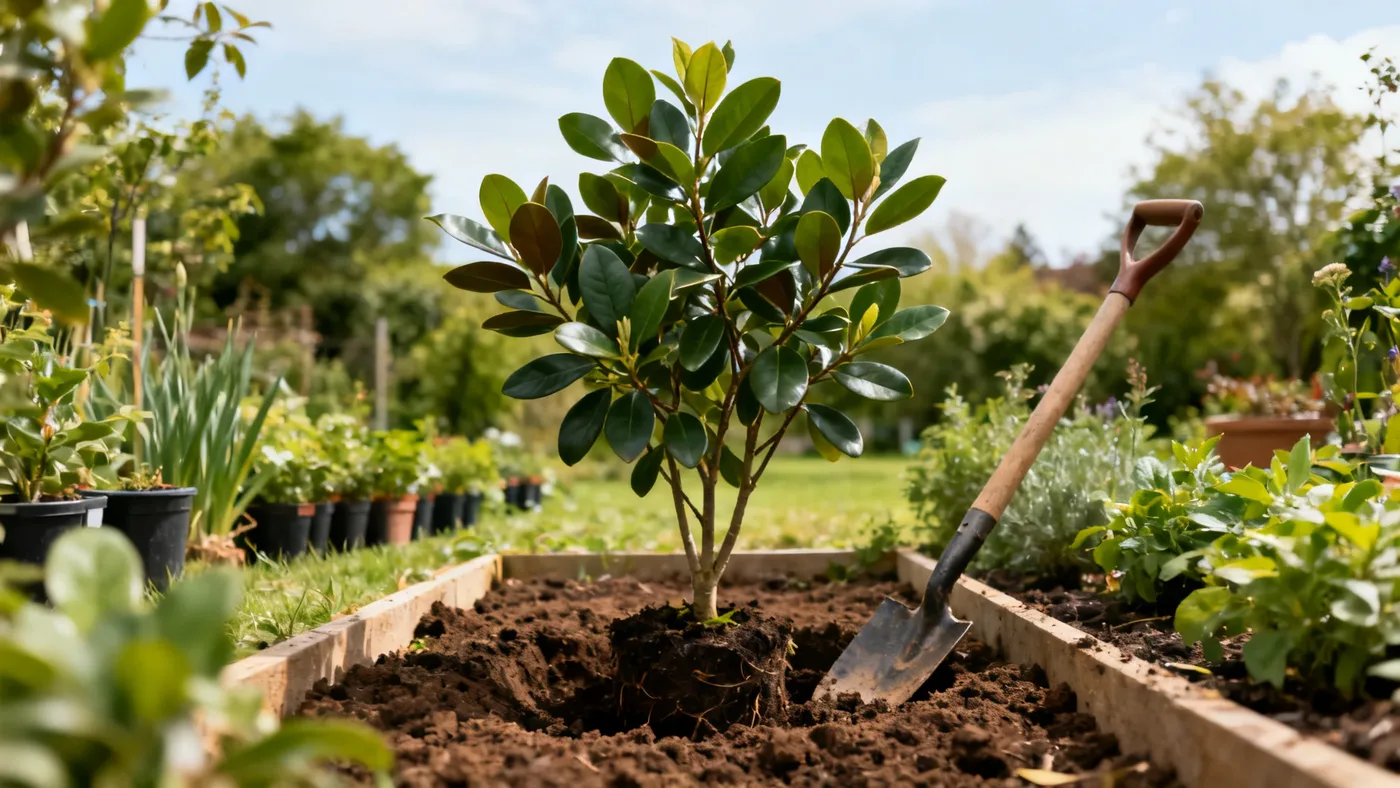
Landscape Ideas for Jane Magnolia and Companion Plants
Jane Magnolia is a game changer for spring gardens. Its reddish-purple flowers open mid-to-late spring when the risk of late frosts has largely passed, and the mild, sweet fragrance carries across the yard. Whether you're designing a small urban garden or a sprawling landscape, Jane Magnolia works as a specimen focal point, a foundation anchor, or part of a layered planting scheme. The key to making it shine is knowing which companions thrive alongside it and how to position it for maximum impact.
This guide walks you through seven practical jane magnolia landscape ideas, each built on the plant's growing habits and best practices for zones 4-8. Use these layouts as starting points, then adapt them to your site and hardiness zone.
Landscape Design Ideas for Jane Magnolia
1. The Specimen Tree in an Open Lawn
A mature Jane Magnolia stands 10 to 15 feet tall and spreads 8 to 12 feet wide, making it the perfect focal point for a front yard or garden room. Planted alone and given space to develop its natural multi-stemmed or small-tree form, it becomes the feature everyone notices in spring. The attractive gray bark and fuzzy flower buds visible in winter add interest even when the plant is dormant.
Position your Jane Magnolia in full sun if possible, since best flowering and densest form happen in full sun. Plant in early spring or early fall in moist, well-drained, humus-rich soil. The tree grows roughly 1 foot per year, reaching full mature size in about 10 to 15 years, so patience pays off. Once established, it becomes a long-lived anchor, often living 50 or more years with good siting.
Practical takeaway: Leave a 5-foot radius of mulched open ground around the trunk while it establishes. This reduces competition and makes it easy to water during dry spells. After the first few years, keep consistent moisture through sporadic summer droughts, since Jane Magnolia is not drought tolerant once established without supplemental water.
2. Foundation Planting with Evergreen Structure
Jane Magnolia works beautifully as the vertical anchor in a foundation bed along a house wall or entry. Its moderate growth rate means it won't outpace your planning, and its deciduous foliage won't create a wall of shade that blocks windows year-round. The bare branching and visible buds in winter create architectural interest against a home's exterior.
Set your Jane Magnolia 6 to 8 feet from the foundation to allow space for its mature width. Layer shorter evergreens like compacted junipers or dwarf conifers in front. Prune right after flowering if shaping is required, since buds for next year set on old wood soon after bloom. This timing preserves next spring's flower display.
Practical takeaway: In foundation plantings, your Jane Magnolia reads best against a neutral backdrop. Avoid competing ornamental shrubs with bold colored foliage nearby. Let the magnolia's spring purple-pink blooms and mild fragrance be the main event.
3. Spring-Blooming Border with Azaleas and Rhododendrons
Jane Magnolia's bloom time (mid-to-late spring) overlaps beautifully with azaleas and rhododendrons, both of which thrive in the same soil conditions: moist, well-drained, and slightly acidic to neutral (pH 5.5 to 6.5). These companions create a synchronized spring show and share similar cultural needs, making the border easy to maintain.
Space your jane magnolia 10 to 15 feet apart if you're planning a small grouping or informal screen. Underplant with azaleas and rhododendrons at 4 to 5 feet spacing. The rhododendrons will provide partial shade for azaleas in hotter zones, while the magnolia canopy offers dappled light as it matures. Water all three deeply during establishment and through dry spells in summer; they're all medium-moisture plants, not desert survivors.
Practical takeaway: Choose compact azalea and rhododendron cultivars that stay under 6 feet tall. This keeps the border proportional and prevents overcrowding. Mulch heavily with aged oak leaves or pine needles to maintain acidic soil naturally over time.
4. Jane Magnolia with Woodland Underplantings
The partial shade and filtered light beneath a maturing Jane Magnolia make an ideal home for shade-tolerant companions like hostas, daffodils, and other spring bulbs. In zones 4 to 8, this combination creates a layered landscape that captures interest from late winter through early summer.
Plant daffodils and other spring bulbs in autumn around the magnolia's base, spacing them 3 to 4 inches apart. In early spring, they'll emerge and bloom before the magnolia leaves fully expand. Layer hostas around them for summer foliage interest and texture contrast. The magnolia's light canopy (it's deciduous, after all) won't block summer moisture or winter light that hostas need.
Practical takeaway: Don't dig deep holes near the magnolia's trunk; stay 3 to 4 feet out to avoid damaging roots. Prepare bulb areas with good drainage by amending heavy clay with compost. A 2 to 3-inch mulch layer keeps bulbs snug and regulates soil temperature in spring freezes.
5. Jane Magnolia for Small Spaces and Urban Gardens
Urban gardens and tight residential lots benefit enormously from jane magnolia garden design. At 10 to 15 feet tall and 8 to 12 feet wide at maturity, it's manageable for small spaces and doesn't demand the acreage of larger ornamental trees. The slow-to-moderate growth rate (roughly 1 foot per year) means you can enjoy it as a specimen for decades without major removal or renovation.
Young nursery-grown plants can even start in large containers before moving to the ground. Position your jane magnolia where afternoon shade occurs in the hottest part of summer, but ensure it gets full sun or part shade overall. This balance maximizes flowering and prevents the open, sparse form that happens in deep shade.
Practical takeaway: In confined spaces, choose a spot that lets you view the plant from indoors in spring. A Jane Magnolia visible through a patio door or kitchen window becomes part of your home's character. The mild fragrance may drift indoors on warm spring mornings, too.
6. Hedges and Screening with Jane Magnolia
When planted 10 to 15 feet apart in a line, multiple Jane Magnolias create a softening screen that flowers in concert each spring. This approach works for hiding utilities, defining garden rooms, or creating privacy along a property line. Unlike evergreen hedges that demand regular shearing, a jane magnolia screen is deciduous and requires minimal pruning.
In zones 4 to 8, the late bloom timing helps protect flowers from spring frost damage compared to earlier-blooming magnolias. The mature height of 10 to 15 feet provides good sight-line screening without towering over neighboring properties. Space plants at 12 to 15 feet on center to allow room for mature width and air circulation.
Practical takeaway: If screening must happen faster, consider adding shorter companion evergreens (like yews or boxwoods) in front of the magnolia line. This gives you winter privacy while the magnolias are bare, and spring flowers rise above the evergreen backdrop.
7. Mixed Border with Spring Bulbs and Early Perennials
Build a dynamic mixed border by combining Jane Magnolia with daffodils, hellebores, bleeding heart, and other early-spring perennials. This approach creates a progression of bloom and texture from late winter through late spring, with the magnolia as the tall anchor and companions providing lower-level interest.
Plant spring bulbs in fall at varying distances from the magnolia trunk. Place them 3 to 4 feet out at the canopy drip line and closer perennials at 2 to 3 feet. As the magnolia canopy expands over 10 to 15 years, some shade-tolerant perennials will thrive, while sun-lovers migrate outward. This natural adjustment happens gracefully when you design with the tree's mature size in mind from day one.
Practical takeaway: Deadhead spent flowers on perennials and bulbs to redirect energy into next season's blooms. The magnolia itself rarely needs deadheading. Its bloom window is short and tidy, and any sporadic light rebloom in summer is a bonus, not a maintenance chore.
Quick Reference: Jane Magnolia Landscaping Checklist
| Landscape Idea | Ideal Spacing | Companion Plants | Best Zones | Sun Requirement |
|---|---|---|---|---|
| Specimen tree | Center in open space | None required | 4-8 | Full sun to part shade |
| Foundation planting | 6-8 ft from house | Compact evergreens | 4-8 | Full sun to part shade |
| Spring border | 10-15 ft apart in groups | Azaleas, rhododendrons | 4-8 | Part shade optimal |
| Woodland underplanting | 3-4 ft out from trunk | Hostas, daffodils, bulbs | 4-8 | Part shade beneath |
| Urban garden accent | Single specimen | Low groundcovers | 4-8 | Full sun to part shade |
| Hedge or screen | 12-15 ft on center | Evergreens (optional) | 4-8 | Full sun to part shade |
| Mixed perennial border | 2-4 ft for companions | Early perennials, bulbs | 4-8 | Part shade optimal |
For detailed seasonal care and site preparation, see our complete Jane Magnolia care guide. The guide covers soil amendment, watering schedules, pruning technique, and frost protection, so your landscaping investment thrives year after year.